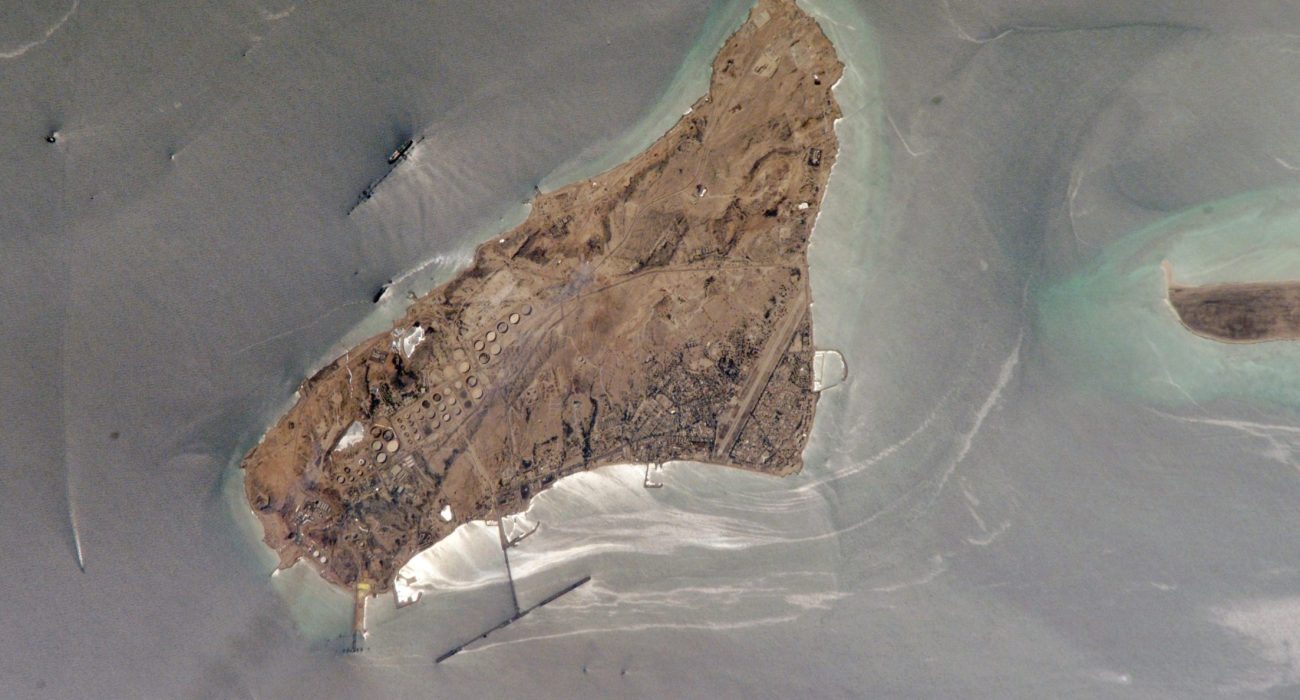
A U.S. military operation targeting Iranian facilities on Kharg Island has intensified concern over the safety of commercial shipping in the Strait of Hormuz. President Donald Trump confirmed the strike on Friday and said American forces successfully destroyed their intended military targets.
Trump said U.S. planners deliberately avoided the island’s crude export infrastructure. He warned, however, that Washington could change its approach if Iran attempts to disrupt merchant vessels moving through the Strait of Hormuz.
Key crude export hub in the Persian Gulf
Kharg Island serves as the main outlet for Iranian oil exports. The island sits in the northern Persian Gulf near Kuwait, about 15 miles from the Iranian mainland and roughly 300 miles north of the Strait of Hormuz.
Most Iranian crude cargoes load at terminals on Kharg Island. The facility therefore plays a major role in regional tanker movements and global oil supply chains.
Recent reports indicate that Iran increased crude production and export activity. Authorities also opened a secondary southern terminal after the current military campaign began. Loading operations have reportedly reached record levels.
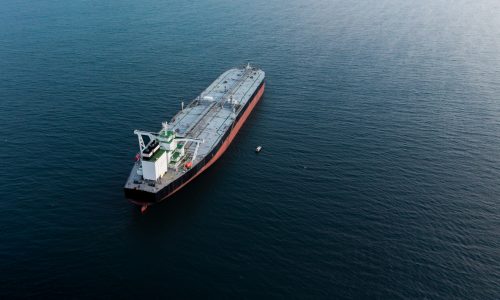
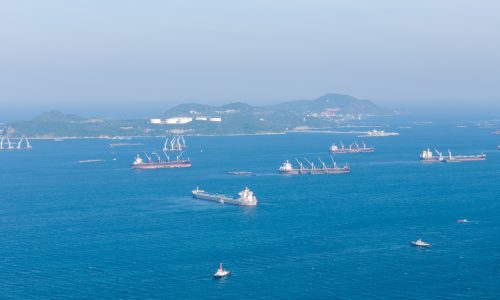
Shipping activity near Kharg Island has included vessels linked to the shadow tanker fleet. Other ships appear to be transporting crude cargoes to China. These shipments typically pass through the Strait of Hormuz before heading to Asian markets.
Limited information from U.S. defense officials
The Pentagon and U.S. Central Command have released few operational details about the strike. Earlier on Friday, Defense Secretary Pete Hegseth said U.S. military pressure on Iranian targets could increase.
CENTCOM confirmed the deployment of B-2 stealth bombers for the mission. Officials said the operation aims to weaken Iran’s military capability and reduce its capacity to rebuild strategic assets.
Maritime security and oil markets remain sensitive
Analysts had widely discussed the possibility of an attack on Kharg Island in recent weeks. Some reports suggested that U.S. officials also considered a special forces operation targeting the island.
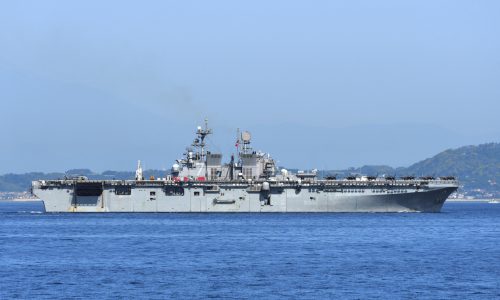
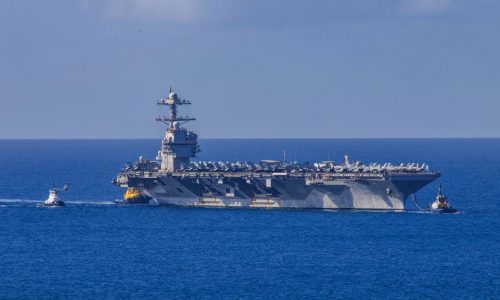
Additional American forces are moving toward the region. A Marine Expeditionary Unit stationed in Japan has reportedly begun deploying to reinforce existing assets.
Hegseth said U.S. authorities have not confirmed reports that Iran is placing naval mines in the Strait of Hormuz. He said missile threats currently represent the primary risk rather than direct interference with commercial shipping.
Energy markets reacted quickly to the rising geopolitical tension. Oil prices moved close to 100 dollars per barrel as traders evaluated the risk to supply.
Washington has attempted to limit further price increases by releasing crude from the Strategic Petroleum Reserve. The U.S. government also issued a 30 day sanctions waiver allowing Russian oil already loaded on vessels to reach buyers.
Officials argue that maintaining safe transit through the Strait of Hormuz remains essential for global energy flows and international maritime trade.