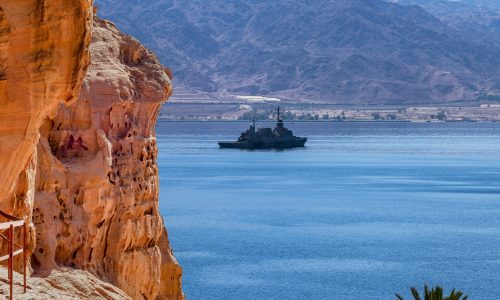
Kuwait has begun reducing crude oil production and refining activity as escalating tensions with Iran threaten tanker movements through the Persian Gulf.
Kuwait Petroleum Corporation confirmed the precautionary step, saying the company is adjusting operations to protect infrastructure and maintain stability during a period of heightened regional risk.
The decision reflects growing concern among Gulf energy exporters over the security of maritime routes that handle a large share of global oil shipments.
Strait of Hormuz Risks Drive Precautionary Measures
The production adjustment comes as security conditions deteriorate around the Strait of Hormuz. The narrow waterway connects the Persian Gulf with international shipping lanes and is one of the most important corridors for global energy trade.
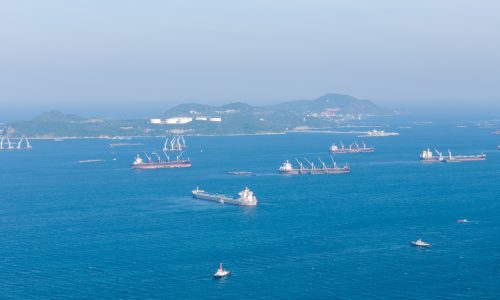
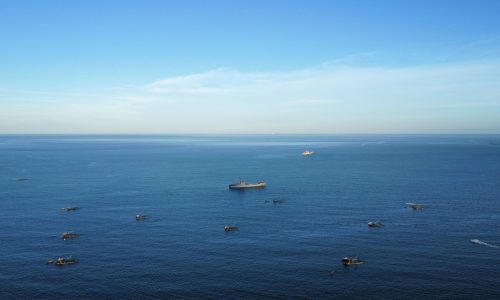
Threats to commercial vessels and rising regional tensions have already disrupted tanker traffic across the area. Energy exporters that rely on maritime transport are now reassessing production levels as shipping routes face increasing uncertainty.
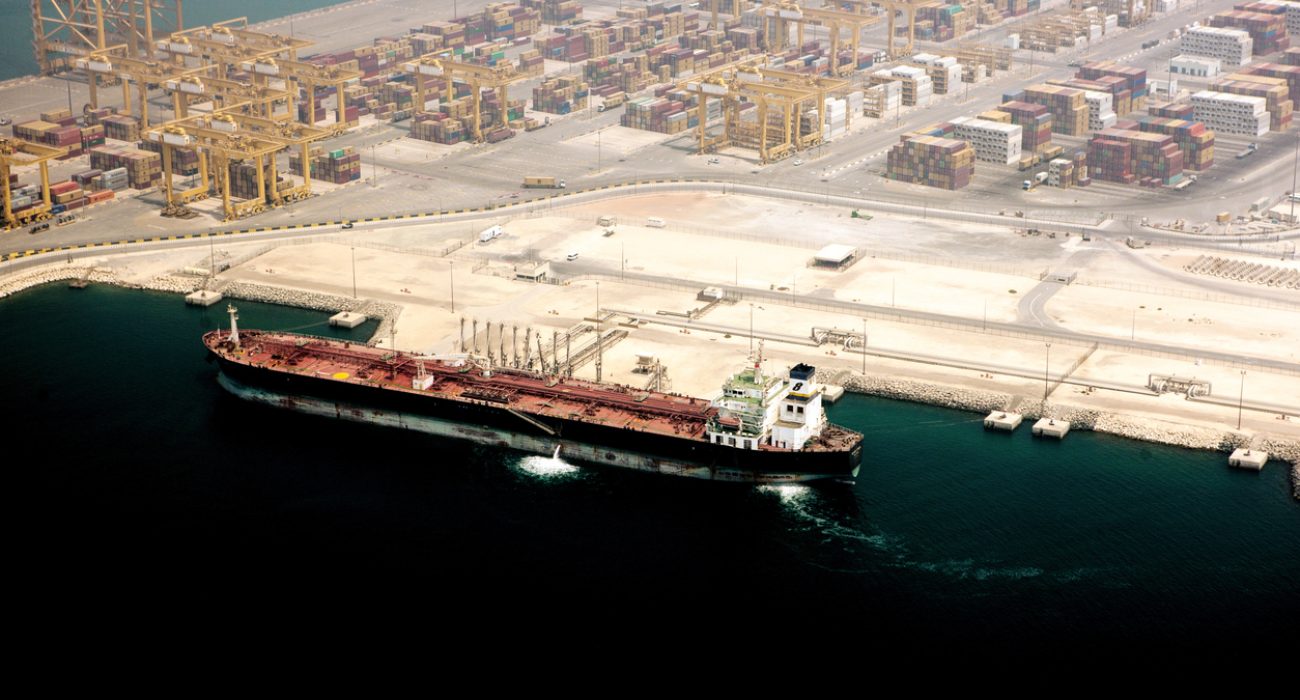
For Kuwait, which exports the vast majority of its crude oil by sea, any slowdown in tanker movements quickly creates logistical pressure.
Export Constraints Can Force Production Cuts
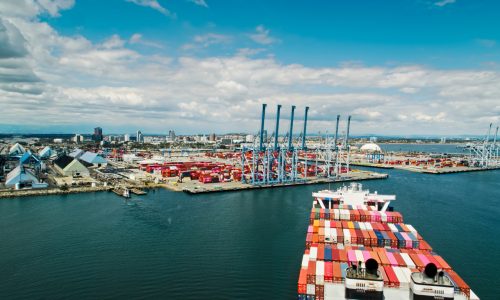
When crude oil cannot move efficiently through export terminals, storage capacity onshore begins to fill. Once storage approaches operational limits, producers often have little choice but to scale back upstream output.
Kuwait produced roughly 2.6 million barrels per day in February, making it one of the larger oil producers in the Gulf region. Any sustained disruption to tanker loading operations could therefore have broader implications for global oil supply chains.
Energy analysts note that the link between maritime logistics and upstream production becomes especially visible during geopolitical crises that affect major shipping routes.
Regional Energy Producers Respond to Security Risks
Kuwait is not alone in adjusting energy operations as tensions rise across the Gulf. Several regional producers have introduced precautionary measures aimed at managing export risks tied to maritime security.
These developments highlight the strategic importance of the Strait of Hormuz. The waterway carries around one fifth of the world’s oil and liquefied natural gas shipments, making it a critical artery for global energy markets.
Tanker Markets Closely Watching the Gulf
Shipping companies and energy traders are now closely monitoring tanker movements across the region for signs of further disruption.
If tensions continue to escalate, additional producers may be forced to adjust output as export routes remain uncertain. Such a scenario would tighten global oil supply and increase volatility across both energy and maritime shipping markets.
For the tanker industry, the situation underscores how geopolitical risk in the Gulf can rapidly reshape global crude transport flows.