The global marine insurance market is prepared to help maintain coverage for vessels operating in the Strait of Hormuz, even as escalating security risks disrupt shipping across the Arabian Gulf.
Industry representatives from the London insurance market say war risk insurance for commercial vessels remains available despite a retreat by some underwriters and reinsurers from the region. The signal comes as governments and shipping companies search for ways to restore tanker movements through one of the world’s most critical maritime chokepoints.
Insurance Market Engages With Washington
Executives from the Lloyd’s market confirmed they are in active discussions with U.S. officials about a potential insurance structure that could support maritime trade through the Gulf. The proposal could combine government backing with private market underwriting to ensure vessels can obtain coverage for high risk voyages.
The conversations involve the U.S. International Development Finance Corporation, which has been examining options to provide political risk insurance and financial guarantees for maritime activity in the region.
According to Lloyd’s Market Association CEO Sheila Cameron, the insurance sector is open to cooperation with Washington if a public private arrangement helps restore confidence among shipowners and charterers operating near Iran.
War Risk Cover Still Available
Despite rising geopolitical tensions, insurance capacity has not completely disappeared. Marine insurers say coverage can still be arranged for ships trading in the Strait of Hormuz and the wider Arabian Gulf.
However, the number of participating underwriters has narrowed as some insurers reassess their exposure to conflict related losses. The shift has tightened capacity and raised concerns among shipowners about the availability and cost of protection for vessels entering the high risk zone.
Market participants note that insurance availability is not the only barrier preventing ships from sailing through the waterway. Security risks remain the primary concern for many operators.
Effort to Restart Gulf Energy Shipping
The potential insurance partnership with the United States aims to stabilize maritime logistics in the region and encourage the resumption of tanker traffic.
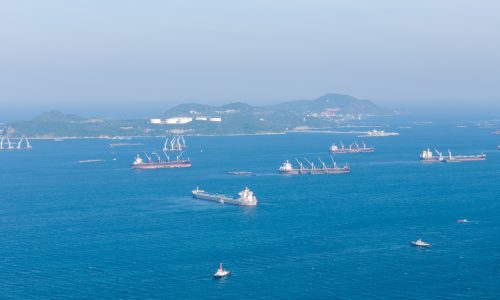
The Strait of Hormuz is a critical artery for global energy trade, carrying a significant share of the world’s seaborne crude oil and LNG shipments. Disruptions in the waterway quickly ripple through global energy markets and shipping supply chains.
By combining public sector guarantees with private insurance expertise, policymakers and insurers hope to rebuild confidence among shipowners and restore commercial shipping flows through the Gulf’s high risk waters.