London marine underwriters have revised the boundaries of the Gulf war risk area, signalling heightened exposure for vessels trading in the region. The update comes as security risks intensify across key Middle East shipping lanes and insurance costs climb sharply.
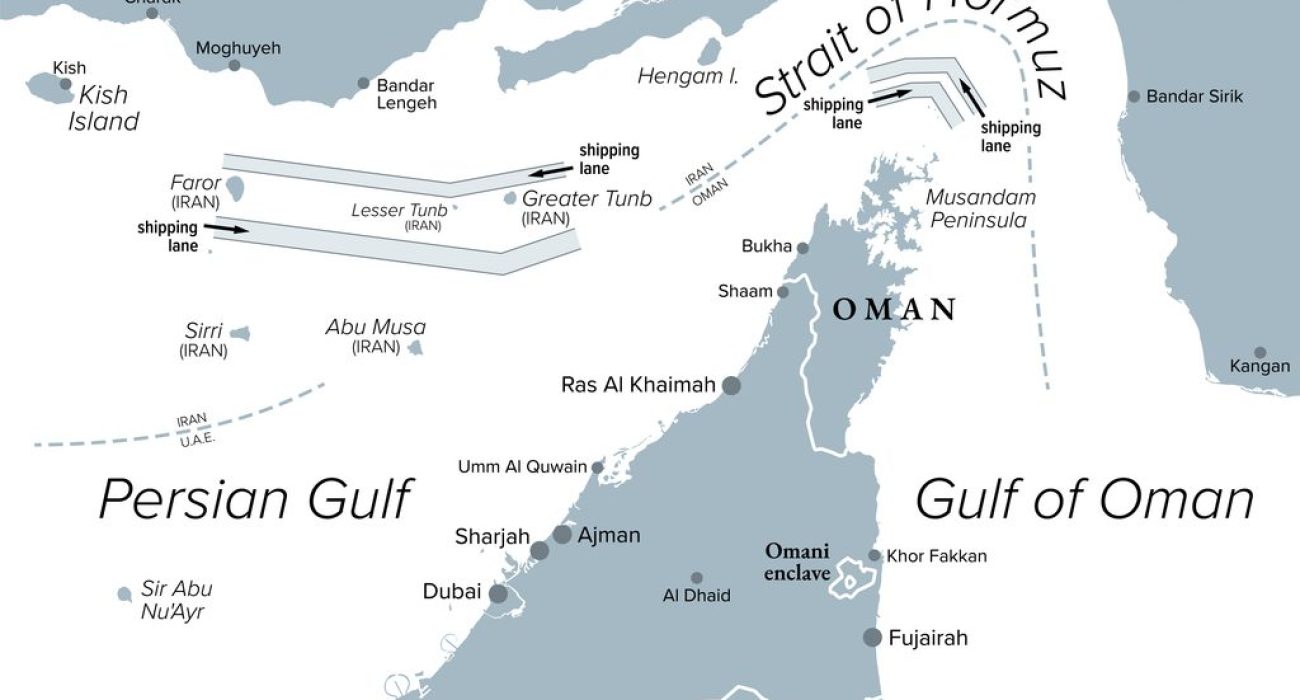
The Joint War Committee, which advises the London marine insurance market on listed high risk waters, expanded the designated area to include waters off Bahrain, Djibouti, Kuwait, Oman and Qatar. Insurers use these listings to determine when shipowners must notify underwriters and pay additional war risk premiums for voyages.
War Risk Premiums Surge for Gulf Transits
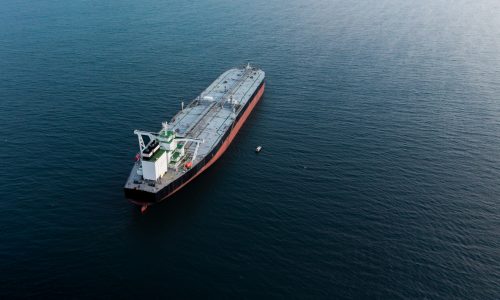
Brokers report that war risk premiums for ships entering the Gulf have increased several times over in recent days. Owners must now factor substantially higher insurance costs into voyage calculations, particularly for tankers and LNG carriers moving energy cargoes through the Strait of Hormuz.
Each transit through a listed area typically requires separate declaration and approval from insurers. Additional premium applies on a per voyage basis. The broader geographic scope signals that London underwriters see elevated threat levels across a wider stretch of regional waters.
Freight and Charter Implications
The Gulf remains a critical artery for global crude oil, refined products and liquefied natural gas exports. Higher marine insurance premiums directly affect tanker freight rates and voyage economics. Charterers and operators are reassessing risk exposure, pricing structures and contractual terms as insurance expenses rise.
Increased war risk costs may also influence routing decisions and scheduling. Shipowners must weigh the financial impact of higher premiums against commercial commitments and market demand.
Clearer Boundaries, Greater Market Pressure
Industry specialists note that revising the war risk map provides clearer guidance to shipowners, P and I clubs and brokers. Defined boundaries reduce ambiguity in policy application. However, the expanded listing reflects deteriorating security conditions and reinforces pressure across maritime supply chains.
Market participants expect London underwriters to continue reviewing the Gulf war risk zone as events develop. Any further escalation could trigger additional adjustments to listed areas or premium levels, with direct consequences for global shipping costs.