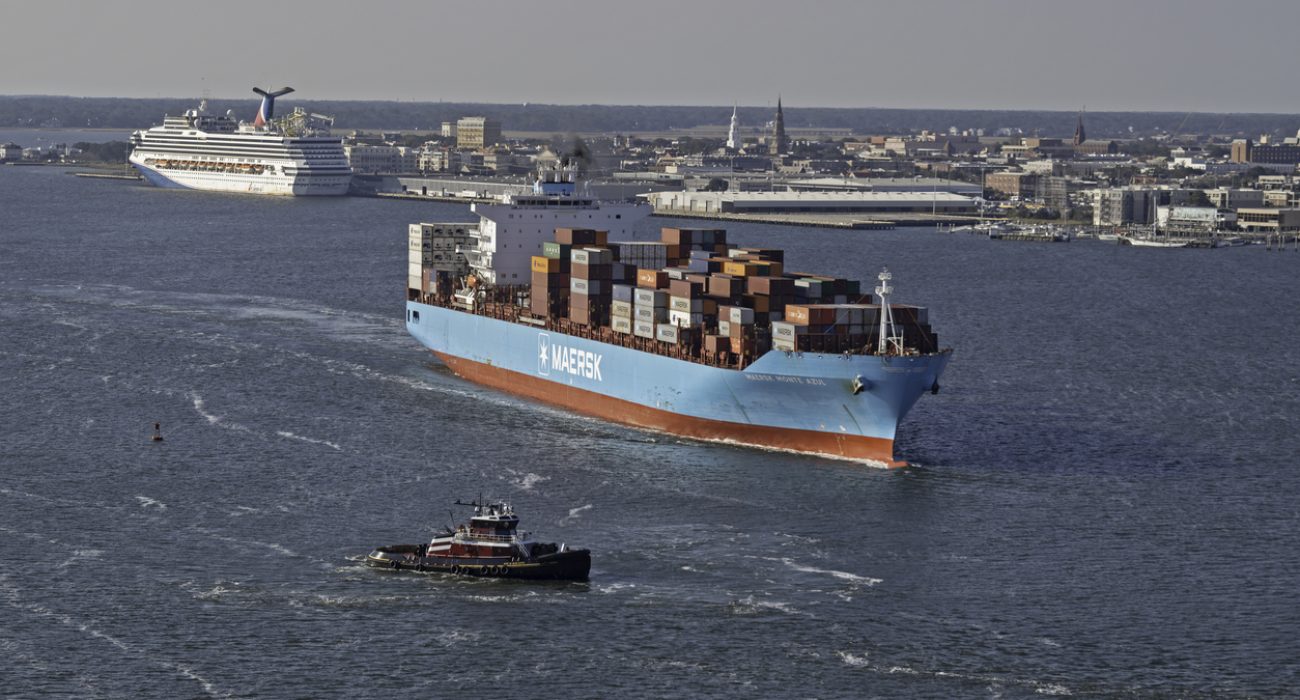
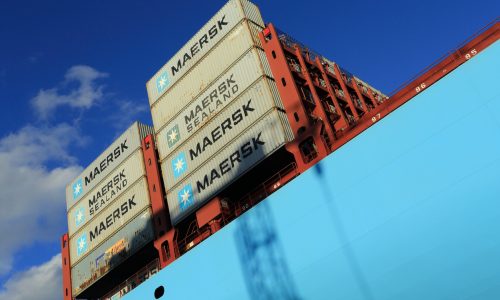
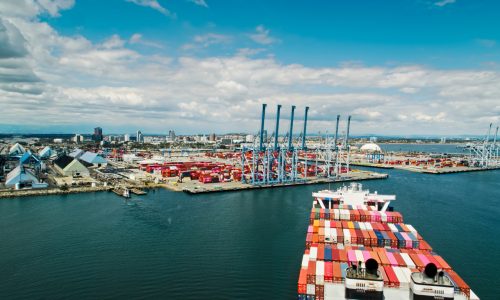
Container shipping giant A.P. Moller – Maersk plans to introduce a temporary Emergency Bunker Surcharge after tightening marine fuel supply began affecting vessel operations across its network.
The surcharge will take effect on March 25, 2026, pending regulatory approval. It will apply across the company’s global liner services as carriers respond to volatility in bunker fuel markets.
According to Maersk, the measure addresses fuel cost fluctuations that fall outside the scope of the company’s existing Fossil Fuel Fee.
Shipping Lines Face Rising Bunker Costs
Fuel procurement has become more difficult for shipping companies in recent weeks. Carriers are adjusting bunker supply strategies as refined fuel availability tightens in key energy regions.
Maersk said it has begun redistributing fuel across its global supply network. The company is also sourcing bunker fuel from alternative suppliers and ports.
However, these adjustments increase logistical complexity and operating costs. As a result, the company introduced the temporary surcharge to stabilize service reliability.
The fee structure varies by trade lane and cargo type. Long haul headhaul shipments will face about 200 dollars per 20 foot container and roughly 400 dollars per 40 foot container. Refrigerated cargo may reach 600 dollars per 40 foot reefer container.
Backhaul and regional trades will see lower surcharge levels.
Hormuz Security Risks Pressure Fuel Markets
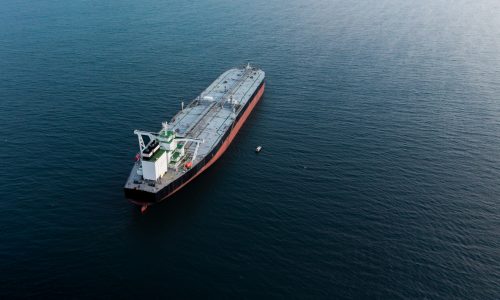
The tightening bunker supply is linked to rising instability around the Strait of Hormuz. The waterway remains one of the most important maritime corridors for global energy flows.
About 20 percent of the world’s fuel shipments pass through this narrow channel between the Persian Gulf and the Gulf of Oman.
According to Maersk, the security situation has disrupted refinery operations across the region. Several facilities are operating at reduced capacity, while others have temporarily halted production.
Consequently, the availability of refined marine fuel has declined.
Operational Impact Reaches Container Shipping
Shipping companies are already adjusting operations in response to the changing environment.
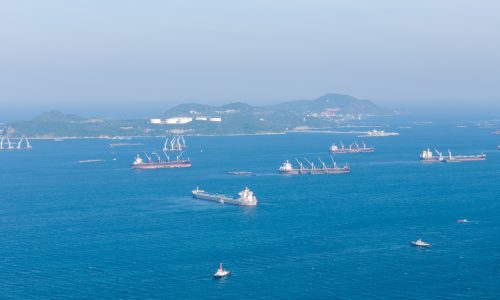
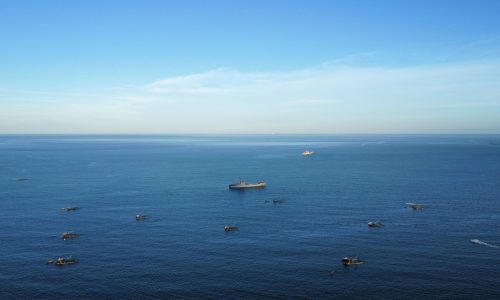
Reports indicate that around ten Maersk container vessels remain inside Persian Gulf ports or anchorages while operators assess regional security conditions.
The company said it will review the Emergency Bunker Surcharge every 14 days. Adjustments may follow changes in bunker fuel availability and market conditions.
Industry observers say the situation highlights how instability around the Strait of Hormuz can quickly affect global shipping costs and marine fuel supply chains.