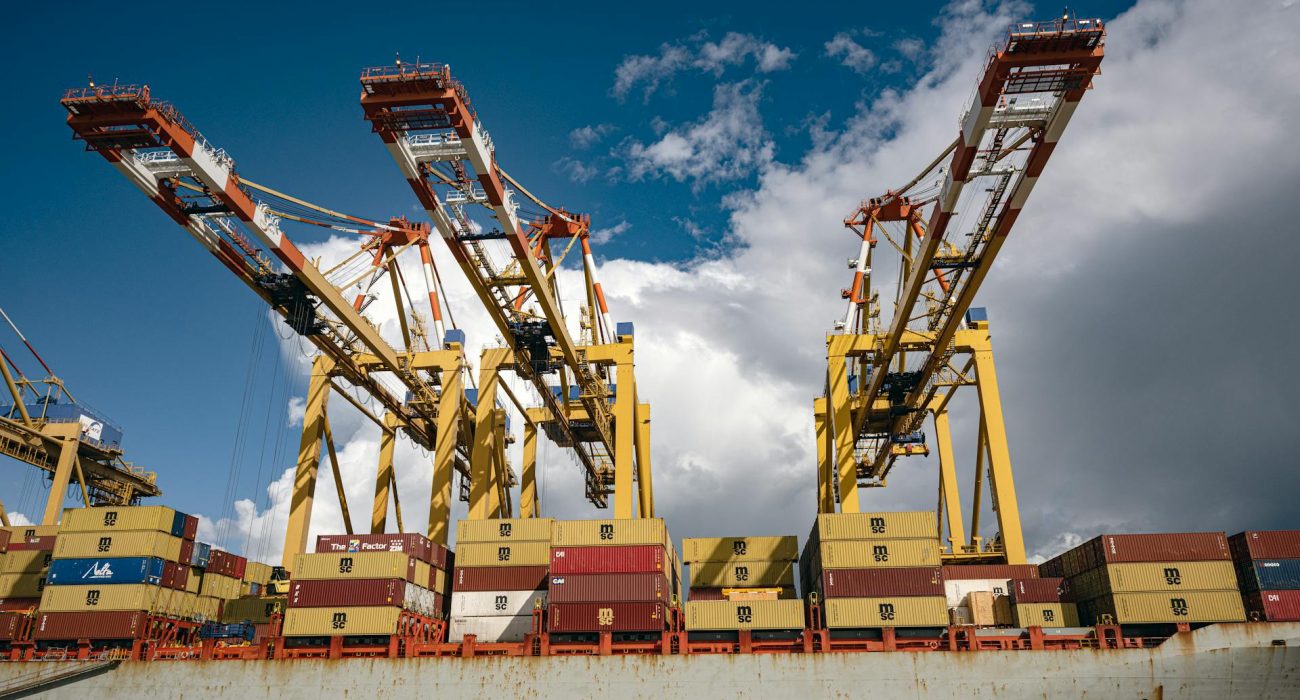
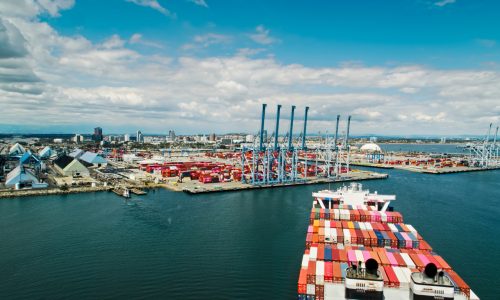
Maersk and Eurogate have tabled a €1 billion proposal to expand and modernize the North Sea Terminal Bremerhaven, aiming to lift capacity and reposition the German gateway within the competitive North European container market.
The plan would increase annual throughput from about 3 million TEU to roughly 4 million TEU. The partners intend to upgrade quay infrastructure, renew yard equipment, and enhance cargo handling systems to improve berth productivity and reduce vessel turnaround times.
Strategic Importance for Maersk’s North Europe Network
For Maersk, which operates through APM Terminals at Bremerhaven, the expansion would secure long term access to German import and export volumes. The terminal connects to more than 130 global ports and supports key east west trade lanes linking Europe with Asia and North America.
Strengthening Bremerhaven would reinforce Maersk’s North Europe network resilience at a time when alliance structures, port competition, and vessel upsizing continue to reshape container shipping dynamics.
Eurogate, Maersk’s joint venture partner at the terminal for more than 25 years, frames the proposal as a long term commitment to the German container market.
Capacity Growth and Decarbonization
Beyond scale, the project targets structural modernization. The partners plan full electrification of terminal equipment powered by renewable energy, with the objective of eliminating direct greenhouse gas emissions from operations. If implemented as outlined, the facility would rank among Germany’s first large scale zero emission container terminals.
The approach aligns with tightening European climate regulation and increasing pressure from cargo owners to decarbonize supply chains.
Outer Weser Deepening Remains Critical
Regional authorities have welcomed the proposal, citing its importance for employment and port competitiveness. However, stakeholders stress that full realization of the terminal’s growth potential depends on progress in deepening the Outer Weser shipping channel, a federal infrastructure project considered essential for accommodating larger container vessels.
The expansion proposal and the extension of the joint venture agreement remain subject to internal corporate approvals and regulatory review. If cleared, the €1 billion program would represent one of the most significant recent investments in German container port infrastructure.