Maersk Suspends Suez Canal and Red Sea Transits as Regional Risk Escalates
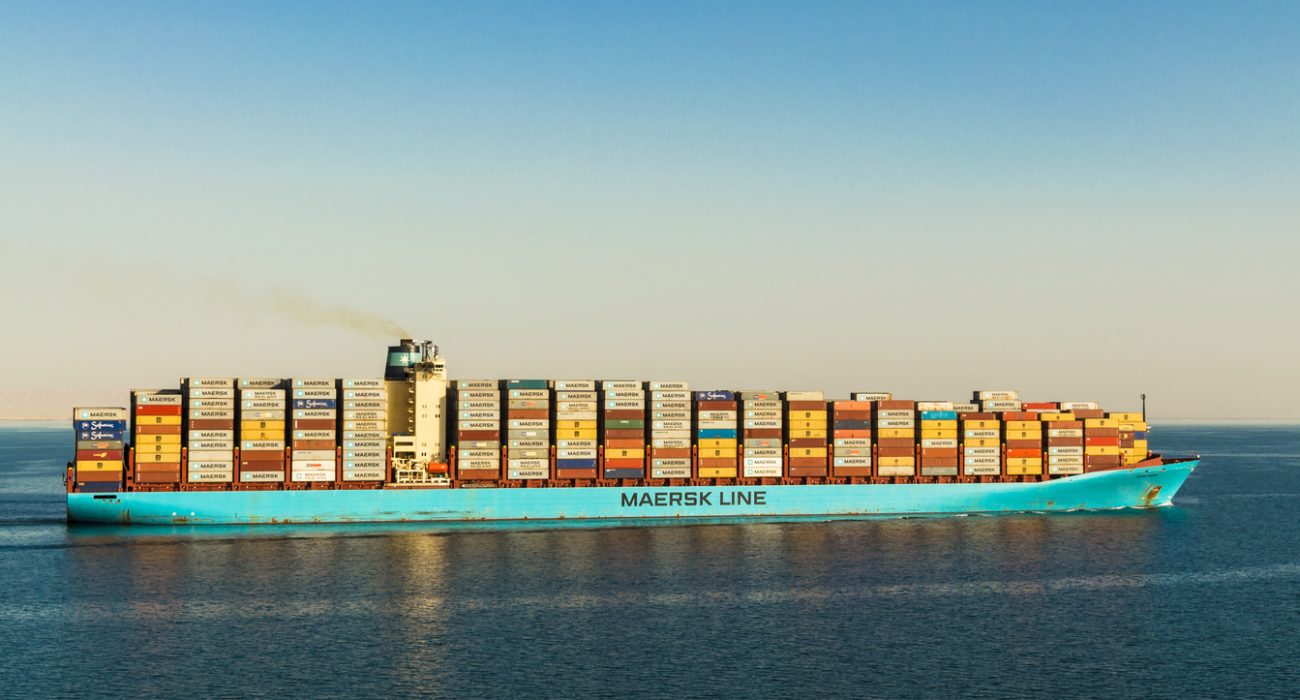
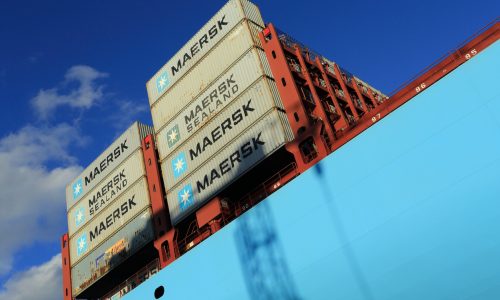
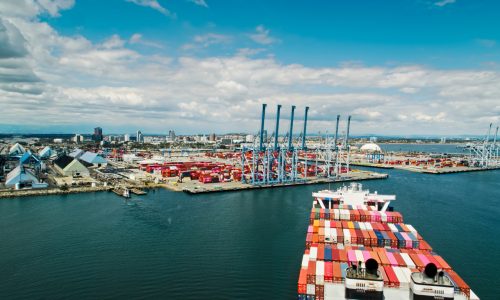
Maersk Line container vessel transiting the Suez Canal, a key east west shipping corridor that the carrier has suspended amid escalating regional security risks. Credit: iStock.
Maersk has halted vessel sailings through the Suez Canal and the Bab el Mandeb Strait following a sharp deterioration in security conditions across the Middle East. The Danish carrier said it will reroute affected services around the Cape of Good Hope to safeguard crew, vessels and cargo.
The decision follows escalating military tensions in the region. Maersk stated that the security environment no longer supports safe transit through the Red Sea gateway. The company will pause future transits until further notice and monitor developments closely.
Diversions Extend Voyage Distances
Rerouting via southern Africa will significantly lengthen sailing distances between Asia, the Middle East, Europe and the United States. The Cape route adds time and fuel costs while tightening available vessel capacity in global container shipping networks.
Maersk had already diverted certain voyages earlier in the week due to operational constraints in the Red Sea. The latest announcement formalizes a broader suspension of transits through both the Suez Canal and Bab el Mandeb corridor.
The carrier said it remains in dialogue with security partners and authorities. It will resume transits when conditions allow safe and predictable navigation.
Strait of Hormuz Crossings Also Paused
In a further escalation, Maersk confirmed that it is also suspending vessel crossings through the Strait of Hormuz. The move could disrupt services calling ports in the Arabian Gulf and may affect regional cargo flows.
The company said it continues to accept cargo for Middle East destinations but warned that schedule adjustments are likely as routing plans evolve.
Industry Wide Repercussions
Other major container lines are taking similar precautions. Mediterranean Shipping Company has suspended Middle East cargo bookings and instructed vessels in the Gulf to seek safe locations. CMA CGM has also halted Suez Canal sailings and directed ships to seek shelter.
The suspension of multiple strategic chokepoints increases pressure on global container supply chains. Longer transit times, higher bunker consumption and tighter vessel availability could influence freight rates and schedule reliability in the coming weeks.
For the maritime sector, the situation underscores how quickly geopolitical conflict can reshape global shipping lanes and disrupt established trade corridors.