Maritime convoy mobilizes for humanitarian delivery
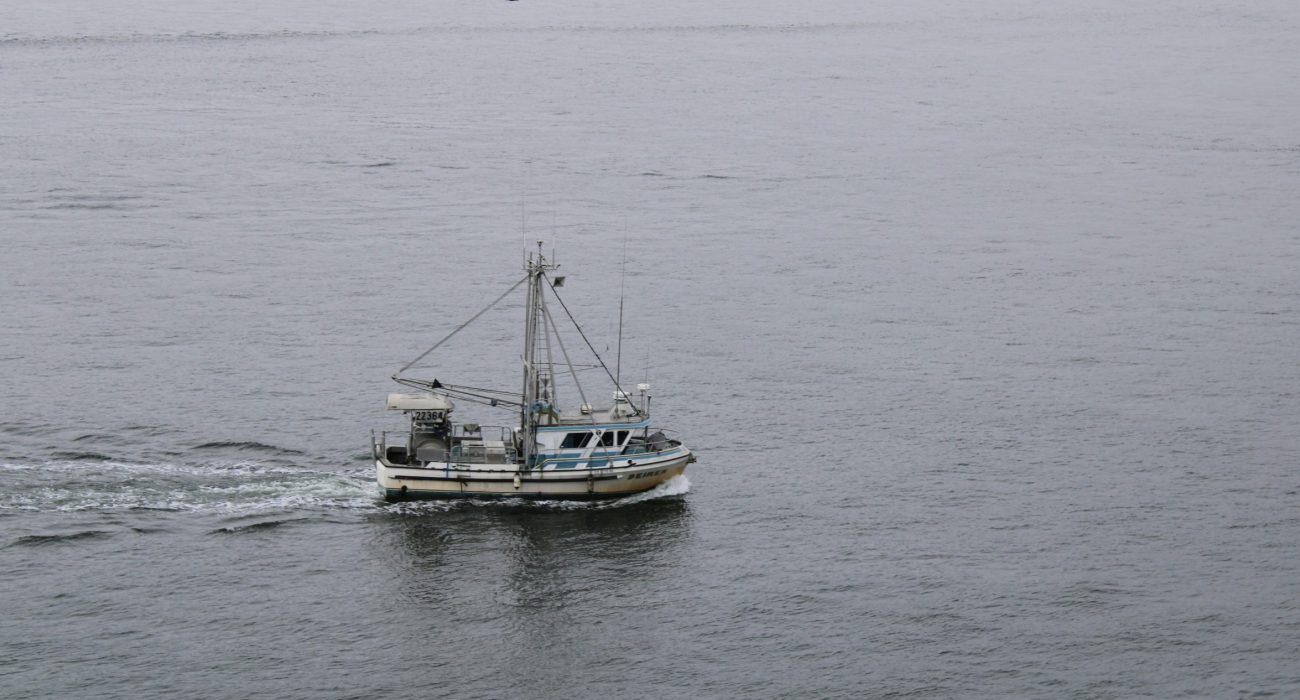
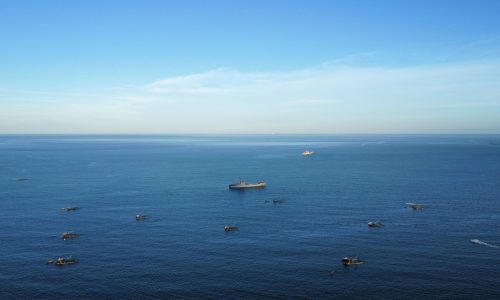
A flotilla of civilian vessels has sailed from Mexico carrying humanitarian supplies to Cuba, in a coordinated effort led by activist groups. The convoy is transporting food, medicine, and other essential goods as part of a direct maritime delivery to the island.
Organizers said the mission aims to provide relief to Cuban communities facing ongoing shortages. The vessels departed from Mexican waters and are now en route across the Gulf, operating outside traditional commercial shipping frameworks.
Sanctions environment shapes shipping access
The voyage takes place within a restrictive sanctions regime that continues to affect Cuba’s access to international trade and maritime logistics. United States measures have limited financial transactions, port access, and shipping services linked to the island.
These constraints have reduced the flow of commercial cargo and complicated supply chains. As a result, non commercial initiatives such as this flotilla have emerged to move essential goods by sea.
Regulatory attention and operational risk
Authorities are expected to monitor the convoy closely as it progresses through regional waters. Maritime compliance risks remain a concern when vessels engage with sanctioned destinations. Insurance exposure and potential enforcement actions can affect operators, even in humanitarian contexts.
The flotilla consists of smaller vessels rather than large scale commercial ships. However, the operation still highlights the legal and operational complexities tied to maritime activity involving Cuba.
Signal to the wider shipping sector
The departure underscores how geopolitical policy continues to shape maritime trade patterns in the Caribbean. Sanctions influence routing decisions, vessel deployment, and risk management across the region.
For shipping stakeholders, the convoy reflects a broader reality. Access to markets and cargo flows can be constrained not only by infrastructure or demand, but also by regulatory and political factors. Even limited maritime movements can carry strategic significance in contested trade environments.