India deploys naval escorts to protect fuel shipments near Gulf of Oman
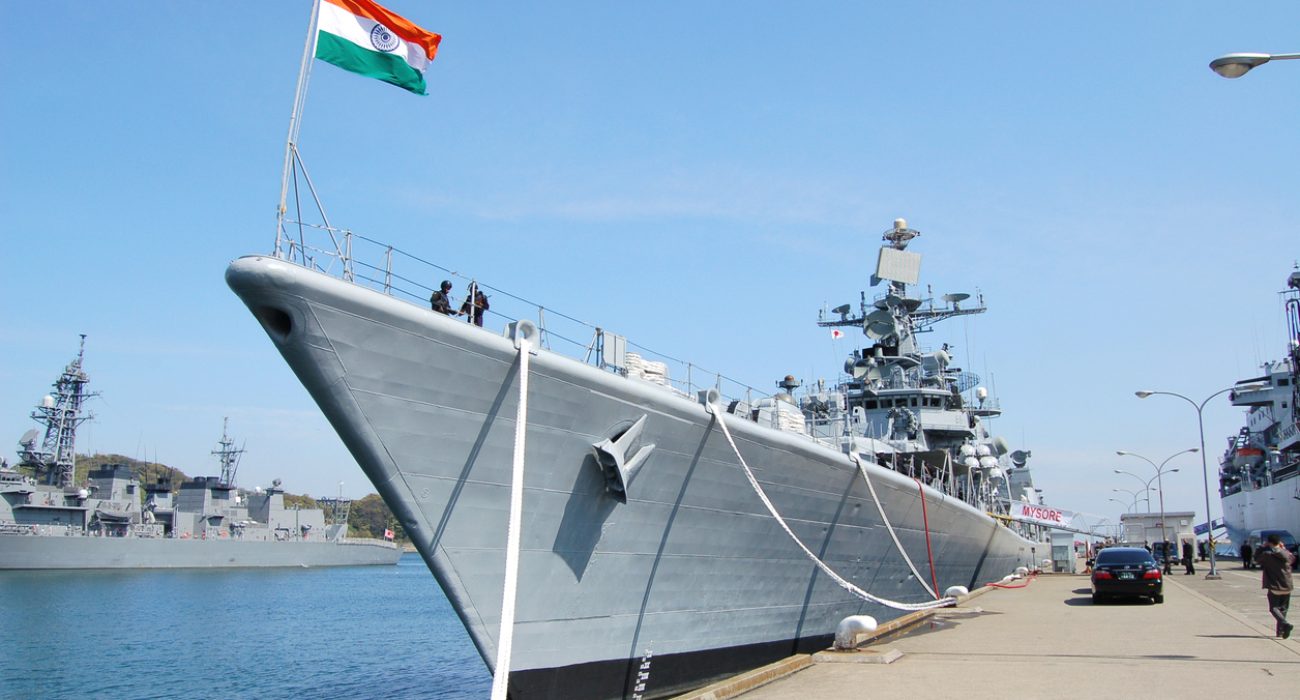
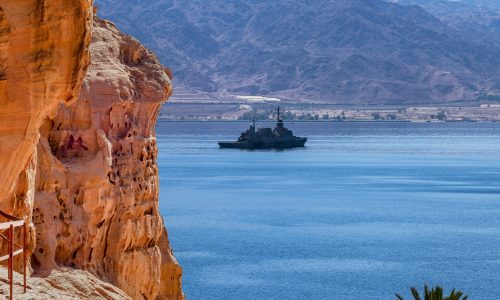
File photo: INS Mysore of the Indian Navy in Kanagawa, Japan, April 14, 2007. India is deploying warships to escort fuel tankers near the Gulf of Oman. Source: iStock.
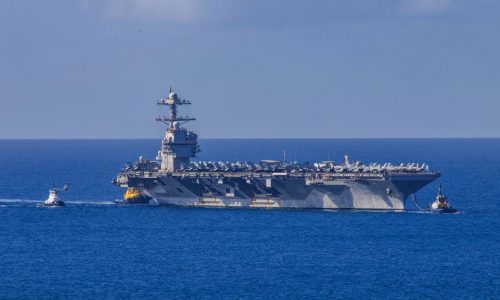
India has deployed naval vessels to escort its fuel tankers operating near the Gulf of Oman, as security risks in the region continue to disrupt commercial shipping routes and raise concerns for energy supply chains.
The Indian Navy has moved warships into the area to provide protection for oil and fuel cargoes linked to the country’s imports. The decision reflects growing anxiety over the safety of merchant vessels transiting waters close to the Strait of Hormuz, one of the world’s most critical shipping corridors.
Rising threats reshape tanker operations
Tensions in the region have intensified following recent attacks on commercial shipping. These developments have forced operators to reassess voyage planning and risk exposure.
India relies heavily on crude imports that pass through the Gulf and adjacent waters. As a result, authorities have taken steps to ensure uninterrupted deliveries by assigning naval escorts to vulnerable routes.
The presence of warships aims to deter potential threats and provide rapid response capability if incidents occur. This approach mirrors measures adopted during previous periods of instability in key maritime chokepoints.
Strategic focus on energy security
Officials view the deployment as essential to safeguarding national energy flows. Tankers carrying crude and refined products remain a priority, given their importance to domestic supply and economic stability.
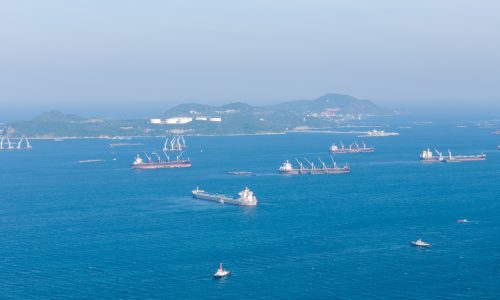
The Gulf of Oman serves as a gateway to the Strait of Hormuz, through which a significant share of global oil shipments moves each day. Any disruption in this region can quickly affect tanker markets and freight dynamics.
Impact on global shipping and risk management
The introduction of naval escorts highlights the increasing overlap between maritime security and commercial shipping operations. Shipowners and charterers are already factoring higher risk premiums and insurance costs into voyage calculations.
Security measures may help stabilize tanker movements in the short term. However, continued tensions could lead to longer term changes in routing, scheduling and fleet deployment.
Industry monitors evolving situation
Shipping companies, energy traders and insurers are closely tracking developments in the region. The situation remains fluid, with further escalation likely to influence both freight markets and global oil supply chains.
India’s decision underlines the growing role of state backed protection in maintaining safe passage for commercial vessels. As risks persist, coordinated security responses may become a defining feature of tanker operations in high risk waters.