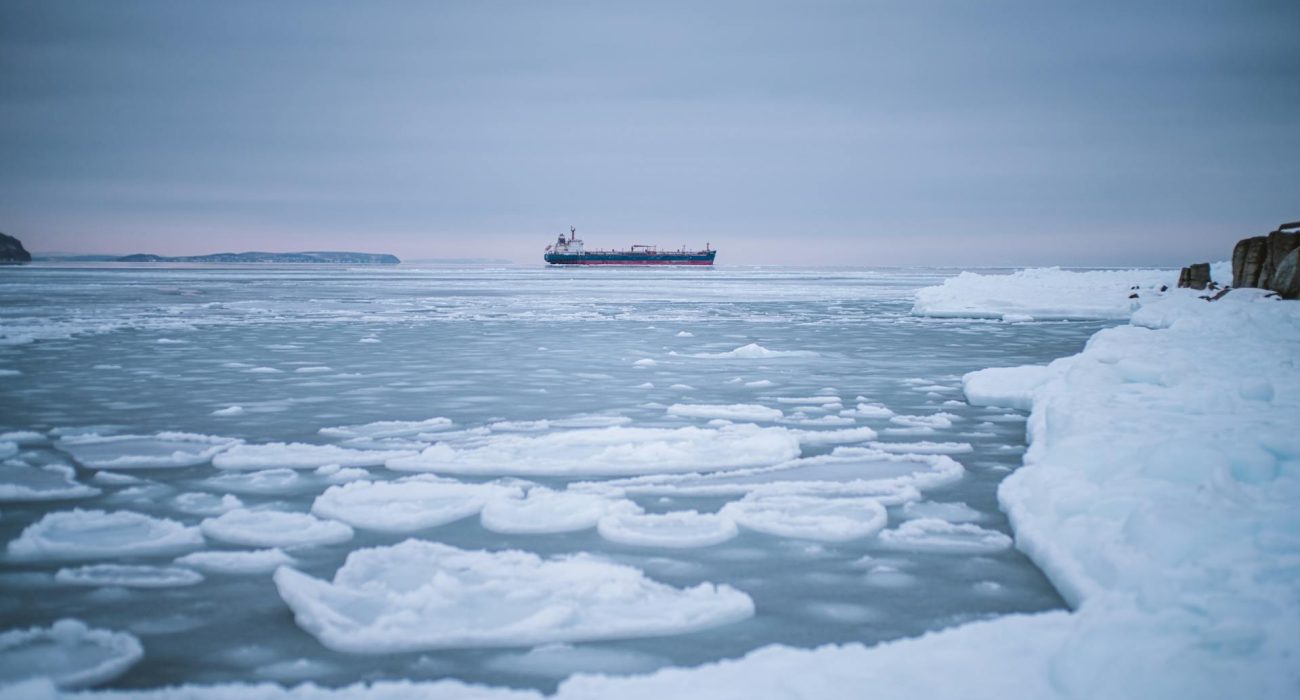
NATO has launched a new Arctic security operation called Arctic Sentry to strengthen its presence in the High North after political tensions over Greenland. The alliance announced the mission ahead of a meeting of NATO defense ministers in Brussels. Leaders say the Arctic now demands greater protection as maritime activity grows.
NATO Secretary General Mark Rutte warned that melting ice is opening new sea lanes and increasing strategic competition. He said these changes raise risks for Arctic shipping and require stronger coordination across NATO territory. The alliance sees the region as critical for future maritime trade and security.
Unified Command Targets Arctic Coordination
Arctic Sentry will place NATO Arctic activities under a single command structure. Rutte said the alliance will combine existing efforts to improve operational coordination. NATO accelerated this step after US President Donald Trump pushed in January to annex Greenland, a Danish territory and NATO member region.
Trump later paused that effort after meeting with Rutte. The discussion helped clear the way for a broader NATO initiative focused on Arctic stability and maritime security.
Denmark Plans Major Contribution
Denmark confirmed it will play a central role in the mission in cooperation with Greenland and the Faroe Islands. Danish officials said planning continues and final operational details remain under review.
Defense minister Troels Lund Poulsen called for deeper cooperation with NATO partners on key capabilities. He highlighted maritime patrol aircraft such as the P 8 and pointed to potential collaboration with Germany. These assets would strengthen surveillance across Arctic shipping routes.
Broader NATO Agenda Shapes Maritime Strategy
Defense ministers will also review alliance priorities beyond the Arctic. US Undersecretary of Defense for Policy Elbridge Colby will brief allies, while US Defense Secretary Pete Hegseth will not attend. European members are watching a US force review that may shift attention toward Asia.
NATO has also reassigned senior command roles. The UK and Italy will lead Joint Force Commands in Norfolk and Naples. Germany and Poland will share leadership in Brunssum. The US will retain the Supreme Allied Commander Europe role and assume control of Allied Maritime Command.
Allies will also discuss new military purchases for Ukraine, including air defense systems. Many partners are buying equipment from the US through the PURL program, and the UK is expected to commit 150 million pounds.