Norway has ordered ships flying its flag to stay out of the Strait of Hormuz as maritime security risks intensify in the Middle East. The Norwegian Maritime Authority announced the measure after a series of attacks against merchant vessels operating in and around the Persian Gulf.
The restriction takes immediate effect and will remain in place until further notice. Authorities said the decision reflects the rapidly deteriorating security environment in the region and the increased risk to commercial shipping.
Authorities shift from warning to direct prohibition
Norwegian regulators had previously advised shipowners to avoid the area. The latest decision goes further by introducing a formal ban on entry into the Strait of Hormuz for Norwegian flagged vessels.
Alf-Tore Sørheim, Director General of Shipping and Navigation at the Norwegian Maritime Authority, said the agency has moved from issuing strong warnings to imposing a direct restriction on navigation through the strategic waterway.
Ships already operating inside the Persian Gulf are not required to leave immediately. Instead, shipowners and masters must assess whether remaining in place or attempting to depart carries the lower operational risk.
The authority said the overall threat picture remains severe and warned that further attacks against commercial vessels remain possible.
In addition to physical attacks, authorities highlighted growing concerns about electronic interference affecting ships in the region.
Norwegian officials warned that vessels navigating in the Arabian Gulf, Strait of Hormuz and Gulf of Oman may experience GPS spoofing and AIS manipulation. Ships may also encounter disruptions to onboard communications and radar systems.
Such interference can undermine navigational safety and complicate vessel traffic management in one of the world’s most heavily used shipping corridors.
Strategic chokepoint for global energy trade
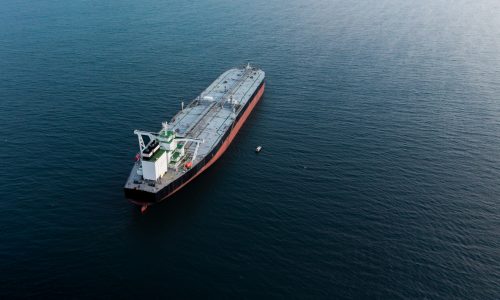
The Norwegian Maritime Authority said several recent incidents have involved attacks on civilian vessels attempting to leave the Persian Gulf.
Officials described the assaults as serious attacks on civilian shipping and said authorities remain in contact with Norwegian shipping companies that still have vessels operating in the region.
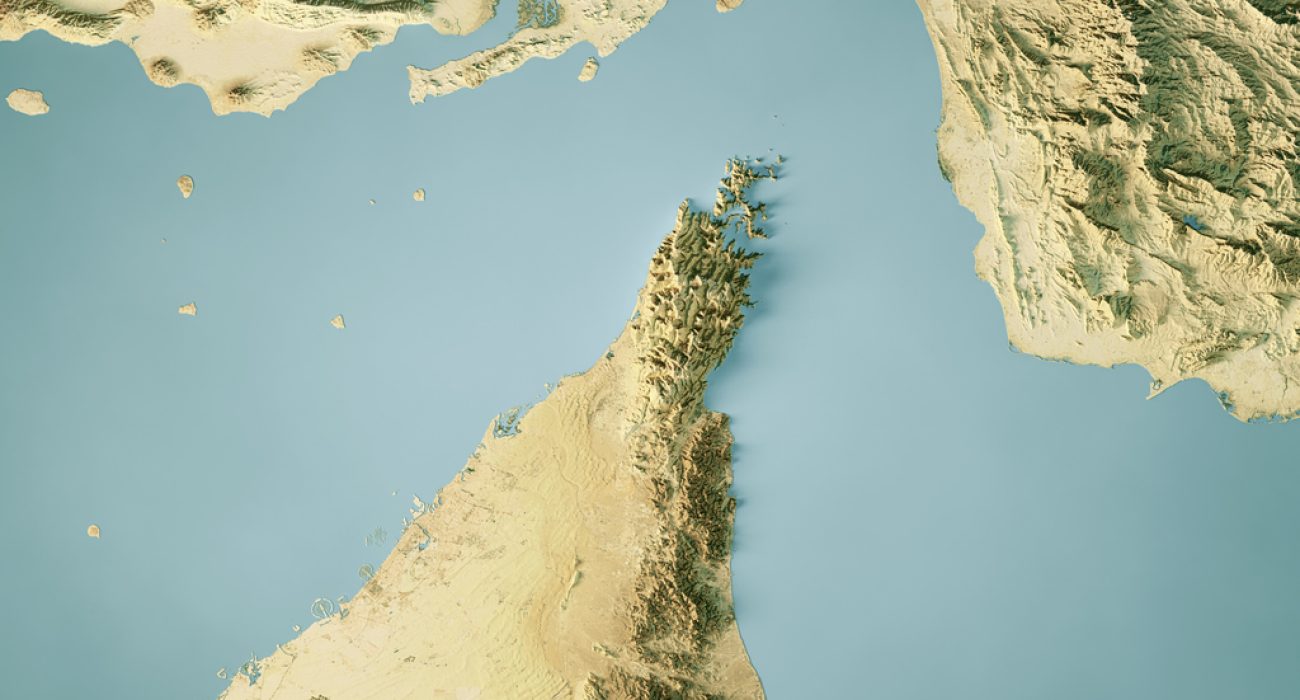
The Strait of Hormuz remains one of the most critical maritime chokepoints in global trade. Around one fifth of the world’s oil shipments typically pass through the narrow waterway, making any disruption to traffic a potential risk for global energy supply and shipping markets.