Global oil prices dropped sharply on Tuesday after signals of potential de escalation in the Middle East eased fears of prolonged supply disruptions across the energy market.
Brent crude fell to $92.21 per barrel, down $6.75 or 6.8 percent in early trading. U.S. West Texas Intermediate crude declined by $6.41 or 6.8 percent to $88.36 per barrel. Both benchmarks had earlier plunged by as much as 11 percent during the session.
The decline followed comments from U.S. President Donald Trump indicating that the ongoing conflict involving Iran could end soon. Markets interpreted the remarks as a sign that the risk of sustained disruption to global crude supply may be easing.
Market reverses after surge above $119
The sharp fall came only a day after oil markets experienced a dramatic rally. On Monday, Brent crude surged above $119 per barrel, its highest level in more than three years. The spike reflected mounting concerns that the conflict in the Middle East could severely restrict oil exports from the region.
Supply reductions by Saudi Arabia and several other producers added to the upward pressure on prices during the earlier rally.
However, sentiment shifted after diplomatic signals suggested a possible path toward de escalation. According to Russian officials, President Vladimir Putin held discussions with Trump and presented proposals aimed at bringing the conflict to a rapid conclusion.
Lower trading activity reflects cautious market mood
Despite the steep price move, trading volumes remained subdued, indicating that many market participants are still assessing the risks.
Brent futures trading volumes fell to around 213,000 contracts, the lowest level since February 27. Activity in U.S. crude futures also declined to roughly 212,000 contracts, the weakest since February 20.
Lower liquidity often signals uncertainty among traders, particularly during periods of geopolitical instability.
Shipping and energy markets remain exposed
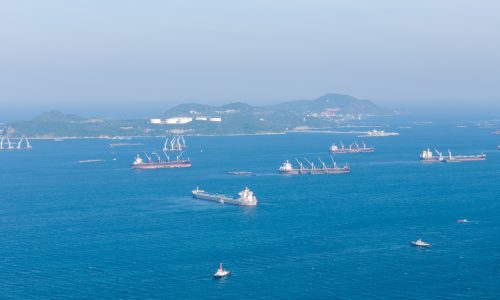
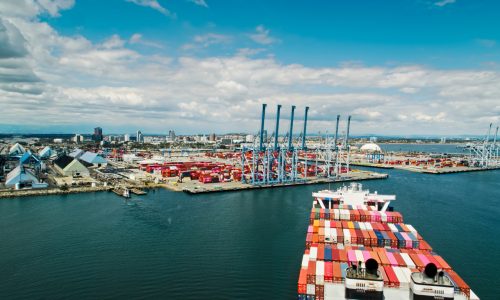
For the maritime and tanker sectors, the volatility highlights how quickly geopolitical tensions can reshape global oil flows.
Energy supply routes in the Middle East remain sensitive to political developments. Any escalation could once again threaten crude exports and disrupt shipping across key oil trade corridors.
Analysts therefore warn that the market may still face significant uncertainty in the coming months, even as prices react to short term political signals.