Global oil prices have climbed to their highest level since 2022 as the war involving Iran fuels concerns about energy supply and maritime shipping routes.
Brent crude rose above 119 dollars per barrel, marking a sharp increase driven by fears of disruption to Middle East oil exports. The surge reflects growing anxiety across energy markets about the security of tanker traffic in the region.
Middle East Conflict Raises Shipping Concerns
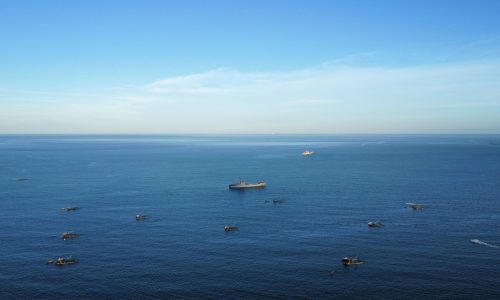
The escalation involving Iran has intensified worries about the safety of major oil transit corridors. Shipping companies and energy traders are closely monitoring the situation because many crude cargoes move through strategic maritime routes in the region.
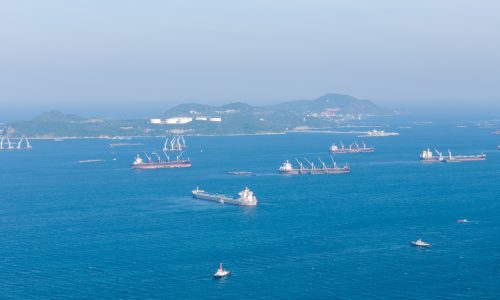
The Strait of Hormuz remains the most important oil shipping chokepoint in the world. A significant share of global seaborne crude passes through this narrow waterway each day.
Any threat to tanker traffic in the strait could quickly disrupt global energy flows. As a result, traders have pushed oil prices higher amid concerns about possible supply interruptions.
Tanker Markets React to Supply Uncertainty
Rising geopolitical tension often leads to increased volatility in oil shipping markets. Charterers and shipowners closely watch developments in the Gulf because they can influence tanker demand and freight rates.
Higher oil prices may also affect shipping patterns as refiners and traders adjust purchasing strategies. Asian markets remain the largest destination for Middle East crude exports transported by tanker.
If supply risks grow, tanker operators could face changes in voyage planning, insurance costs, and security procedures across key shipping lanes.
Energy Supply Chains Under Pressure
The latest oil price surge highlights how geopolitical conflict can quickly reshape global energy markets. Middle East producers account for a large share of crude exports that travel by sea to international buyers.
Any disruption to these flows would affect tanker movements between the Gulf and major refining centers in Asia and Europe.
For the maritime sector, stable shipping routes remain essential to the global energy system. Tanker fleets carry the majority of crude oil traded internationally, linking producing regions with industrial economies.
As the conflict develops, shipping companies, oil traders, and energy analysts will continue to track risks to maritime transport and the potential impact on global oil supply chains.