Panama Rejects Hutchison Claims as Canal Port Dispute Intensifies
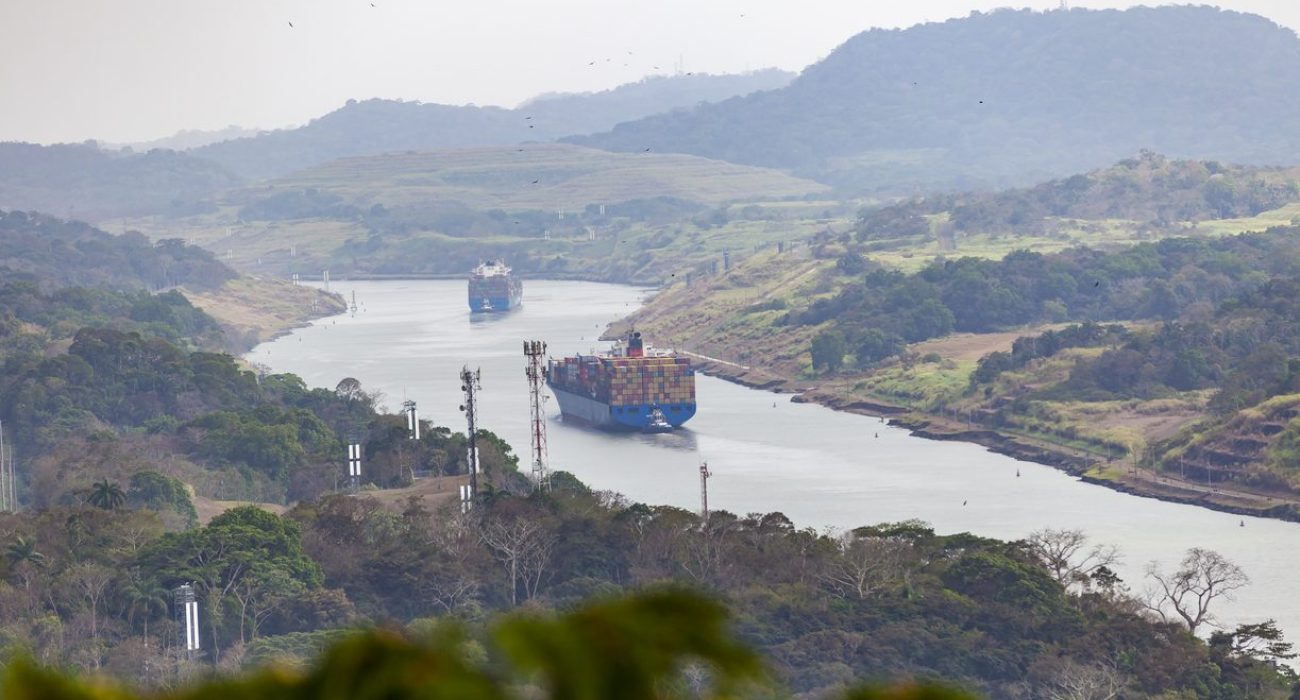
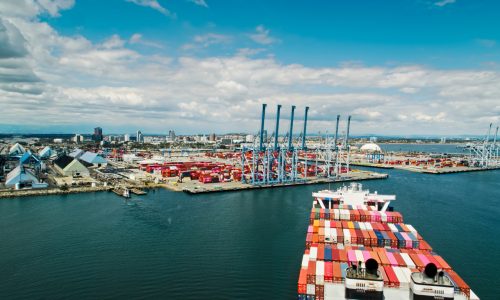
Cargo vessel transits the Panama Canal in a representative image as Panama disputes control of port concessions linked to global shipping flows. Source: iStock.
Panama has firmly rejected allegations made by CK Hutchison regarding port concessions linked to the Panama Canal, with President José Raúl Mulino describing the claims as “outrageous and a lie.”
The response marks a sharp escalation in a dispute over control and oversight of strategic port assets that support global shipping flows through the canal.
Government Defends Legal Position on Port Concessions
Panamanian authorities maintain that all actions taken in relation to Hutchison’s port operations follow established legal procedures. Officials say the review of concessions is necessary to safeguard national interests and ensure compliance with contractual obligations.
The terminals involved are critical to container transshipment linked to Panama Canal traffic. Any uncertainty around their status has direct implications for global trade routes.
Hutchison Raises Concerns Over Concession Handling
CK Hutchison has raised concerns about the government’s approach, arguing that its long standing role as a port operator is being challenged. The company has pointed to its investment record and operational performance in Panama.
The dispute reflects broader friction between host governments and international terminal operators, particularly in regions where infrastructure carries strategic importance.
Shipping Sector Monitors Potential Impact
Shipping lines and logistics operators are closely watching developments. Stability at Panama Canal linked ports is essential for maintaining efficient cargo flows between major trade lanes.
While operations continue, prolonged uncertainty could affect terminal planning, investment decisions, and service reliability.
Strategic Ports Draw Increasing Political Focus
Panama’s response highlights a wider trend of governments reassessing foreign involvement in key maritime infrastructure. Control of port assets connected to major shipping routes is becoming a more sensitive issue.
For the maritime industry, the situation underscores how political risk can influence port operations and supply chain stability.