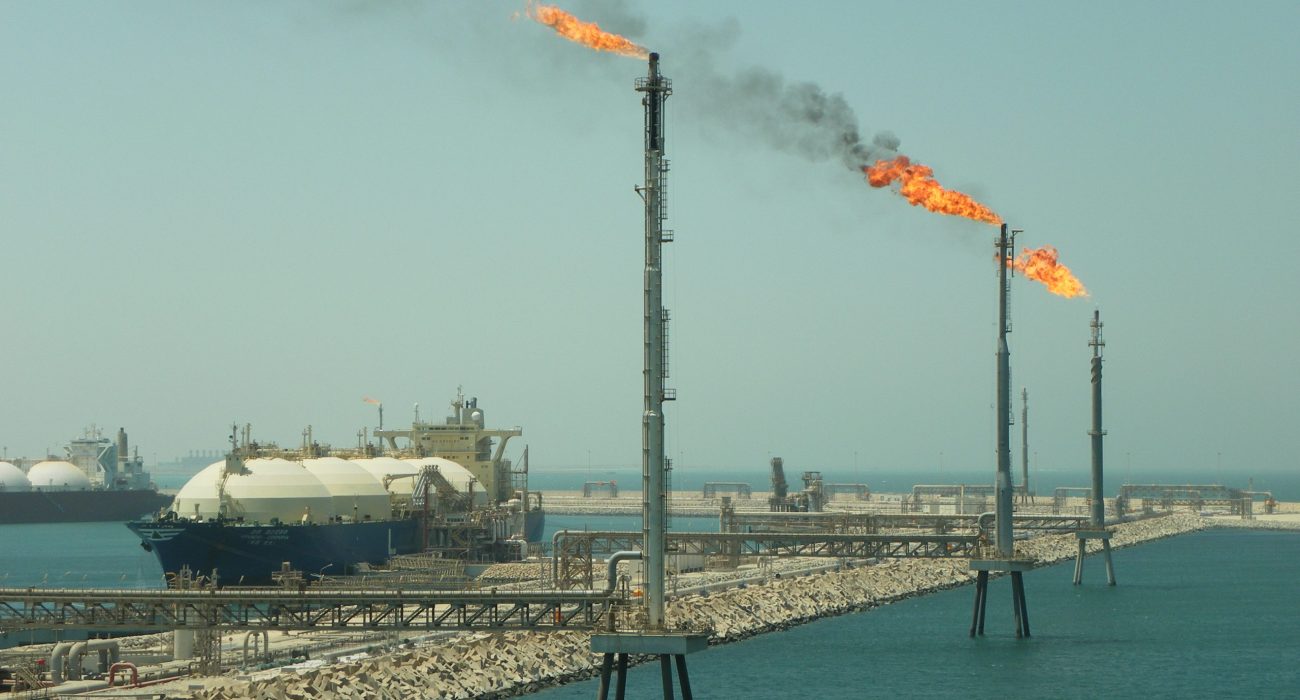
A liquefied natural gas carrier has departed Qatar’s Ras Laffan export terminal in what may be the first LNG shipment since the country declared force majeure earlier this week.
Vessel tracking data shows the LNG carrier Lebrethah left Ras Laffan on Friday with a deeper draft, a typical signal that cargo was loaded before departure. The ship is currently indicating Bangladesh as its destination, with an estimated arrival around March 14.
If confirmed, the voyage would represent the first LNG cargo to leave Qatar after authorities halted production following an escalation of regional conflict.
Uncertainty Over Final Delivery
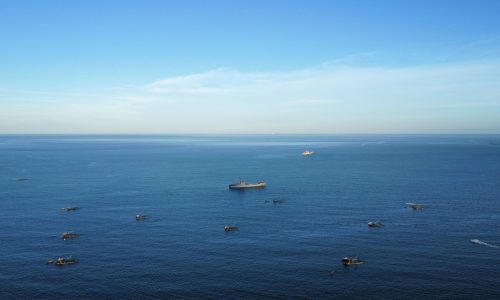
It remains unclear whether the cargo will proceed directly to its destination. Security risks linked to the conflict have sharply disrupted commercial shipping through the Strait of Hormuz, a critical maritime corridor for global energy exports.
Because of the uncertain security environment, the vessel could remain offshore as floating storage until conditions allow safe transit through the Gulf.
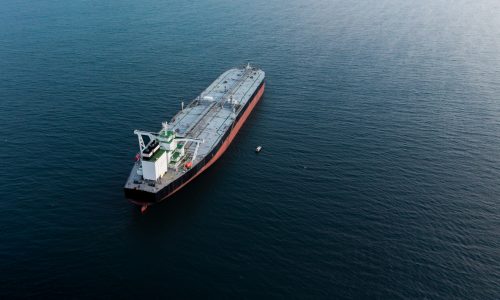
The Strait of Hormuz is one of the world’s most important shipping routes for LNG and crude oil. Any disruption quickly affects global energy markets and tanker traffic.
Ras Laffan Production Halt Triggered Export Disruption
The production shutdown came after an Iranian drone strike targeted infrastructure at Ras Laffan Industrial City earlier this week. The facility is the largest LNG export hub in the world and forms the backbone of Qatar’s gas export industry.
Following the attack, Qatar suspended fuel production at the complex and declared force majeure on LNG deliveries.
Qatar supplies roughly 20 percent of global LNG exports, meaning any interruption at Ras Laffan has immediate implications for global gas supply and maritime LNG shipping.
Storage Capacity Allows Limited Loading
Industry analysts note that LNG export terminals can continue loading cargo for a limited period after production stops if sufficient gas remains in onshore storage tanks.
Ras Laffan maintains large storage capacity, which can support short term loading operations even during production disruptions.
Tracking data also shows several LNG carriers had loaded cargo earlier in the week. However, those vessels remained close to the terminal and departed before the force majeure declaration.
Shipping Markets Watching Tanker Movements
Energy traders and maritime analysts are closely monitoring vessel activity around Ras Laffan for signs that Qatar may begin restoring LNG export flows.
The departure of a single cargo does not indicate that production has resumed or that shipping conditions through the Strait of Hormuz have stabilized.
Future LNG shipments will depend heavily on the regional security situation and the ability of vessels to safely transit one of the world’s most strategically important energy routes.