Qatar has declared force majeure on liquefied natural gas exports after conflict involving Iran disrupted maritime traffic through the Strait of Hormuz. The crisis forced QatarEnergy to halt LNG production at its Ras Laffan export complex. The decision sends shockwaves through global gas markets because Qatar supplies about 20 percent of the world’s LNG.
The declaration releases QatarEnergy from delivery obligations under long term supply contracts. Industry sources say the shutdown could interrupt global LNG trade for weeks, even if the security situation improves quickly.
Ras Laffan LNG Production Stopped
QatarEnergy shut down liquefaction operations at Ras Laffan Industrial City, the largest LNG export facility in the world. Operators began reducing production earlier in the week. By Wednesday the company had completed the shutdown of the liquefaction trains.
Restarting the massive complex will take time. Engineers estimate that the plant will need about two weeks before LNG production can resume. After that, another two weeks may pass before output returns to full capacity.
The disruption shows how quickly geopolitical tension in the Persian Gulf can affect global energy supply.
Strait of Hormuz Shipping Bottleneck
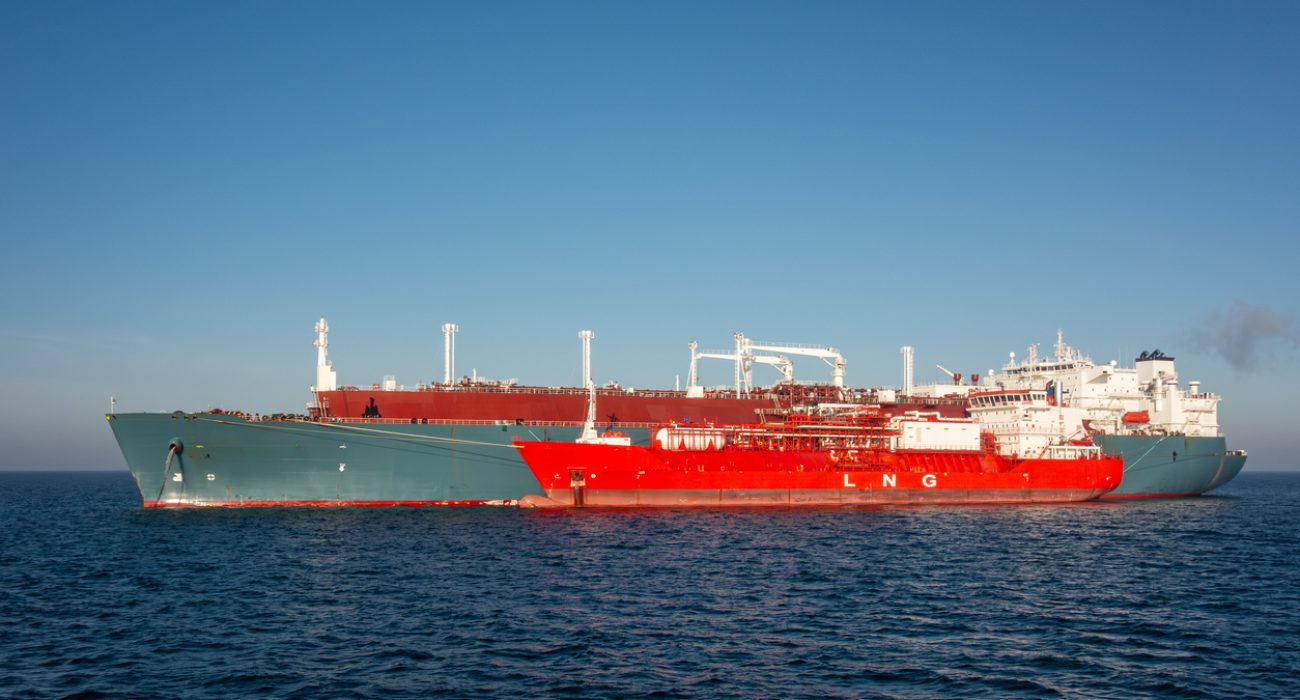
All LNG cargoes from Qatar normally sail through the Strait of Hormuz. The narrow waterway remains one of the most critical maritime routes in global energy trade.
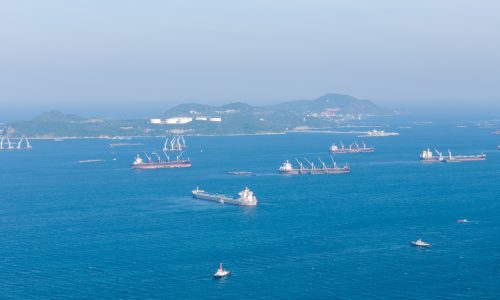
However, the conflict has slowed vessel traffic across the region. Some ships now delay departures while others avoid the route. As a result, LNG carriers cannot move cargoes out of the Gulf at normal speeds.
Without steady ship departures, storage tanks at Ras Laffan filled quickly. The facility can store about 760000 cubic meters of LNG. At full production rates those tanks could reach capacity in less than two days.
This storage pressure forced operators to stop liquefaction activity.
Global LNG Buyers Face Supply Pressure
Qatar supplies large volumes of LNG to Asia. China, Japan, India, South Korea and Pakistan receive the majority of shipments.
The sudden disruption has tightened the global LNG market. Buyers now compete for replacement cargoes from other exporters. Traders report rising gas prices and higher LNG shipping rates as importers search for alternative supply.
Restart Will Take Time
Restarting LNG plants requires a careful technical process. Engineers must gradually cool liquefaction trains before production can begin again.
Operators also bring each processing unit online one at a time. Because of this sequence, full production cannot return immediately.
Even a short shutdown in the Persian Gulf can therefore affect LNG supply for weeks across global markets.