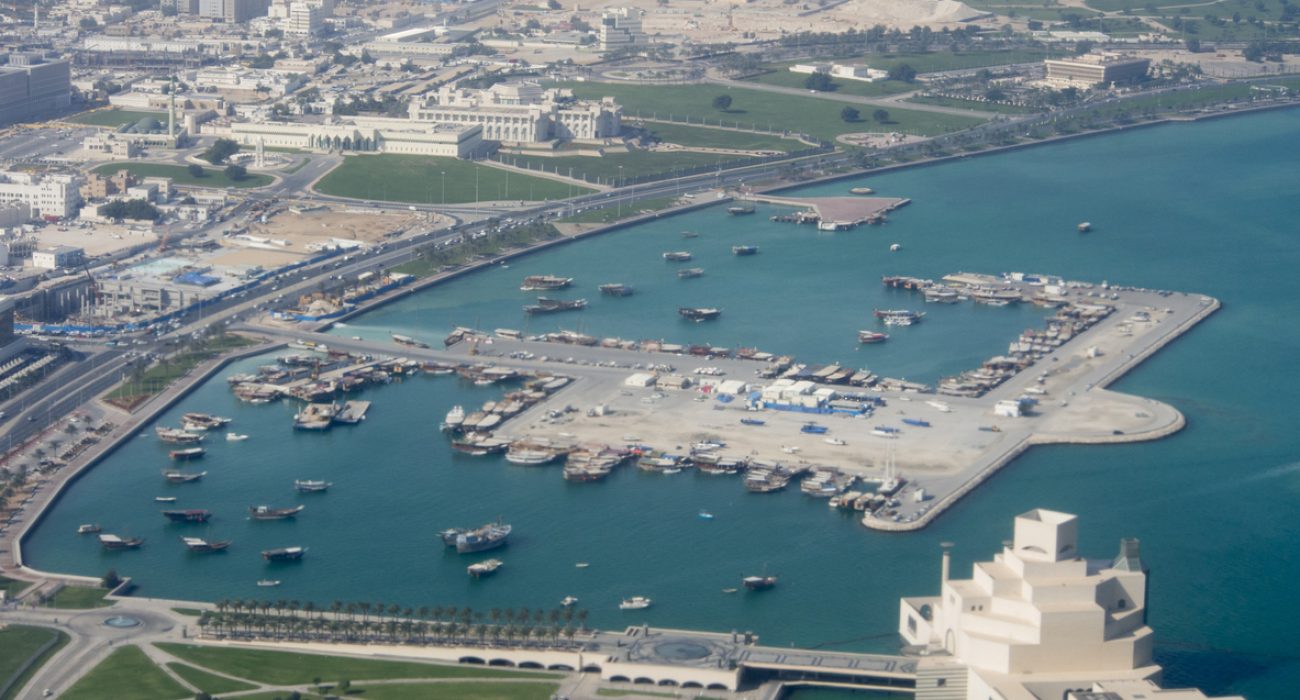
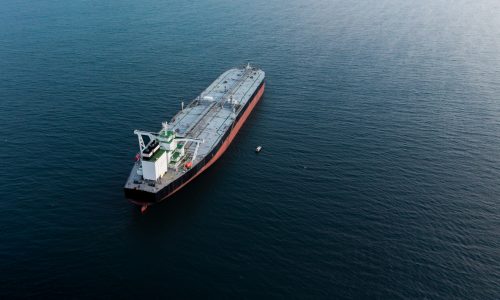
A halt in liquefied natural gas exports from Qatar has tightened the global LNG market and exposed how little spare production capacity exists worldwide. The disruption has also raised concerns across shipping and energy markets that rely heavily on steady LNG flows from the Gulf.
Qatar is responsible for roughly one fifth of global LNG supply. However, exports stopped after tanker traffic through the Strait of Hormuz became unsafe, effectively blocking shipments of the super cooled fuel from the world’s largest LNG exporter.
The Strait of Hormuz is one of the most critical maritime corridors for energy trade. Any disruption in the waterway quickly affects global oil and LNG shipping flows.
Global LNG Market Has Limited Backup Supply
The sudden loss of Qatari volumes has revealed how little flexibility exists within the global LNG system.
Major exporters such as the United States and Australia are already operating close to full capacity. As a result, only limited additional supply can reach the market in the near term.
Industry estimates suggest upcoming US export projects could add around 2 billion cubic feet per day of supply. However, the shutdown in Qatar removed roughly 10 billion cubic feet per day from the global market.
In total, the disruption represents about 80 million tonnes of LNG per year.
Energy analysts say the imbalance highlights a structural weakness in the LNG sector. Rapid demand growth in Europe and Asia has absorbed most new production capacity over the past several years.
Spot Cargoes Provide Only Limited Relief
Some additional LNG cargoes could enter the spot market as new export projects continue commissioning.
For example, US producer Venture Global has flexibility to sell certain shipments on the spot market while ramping up output at its new Louisiana export terminal. Even so, these volumes remain small compared with the global supply shortfall.
Most LNG exports from the United States are tied to long term supply agreements. Consequently, producers cannot easily redirect cargoes to buyers facing immediate shortages.
Shipping Disruption Adds Pressure
The shutdown also highlights the strategic importance of maritime chokepoints for global LNG trade.
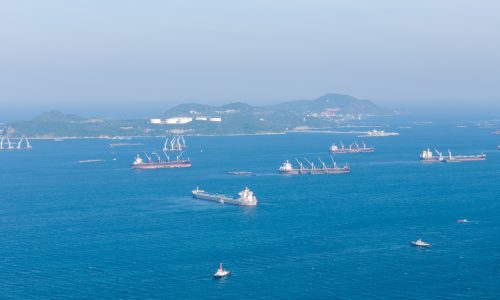
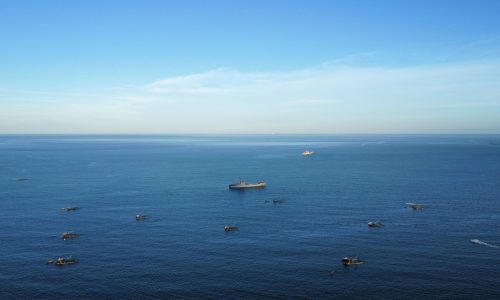
The Strait of Hormuz handles a large share of LNG shipments from the Middle East. With tanker traffic restricted and Qatari exports halted, buyers in Europe and Asia are competing for available cargoes.
Gas prices have already reacted to the disruption. The Dutch TTF benchmark recently surged toward 19 dollars per mmBtu before easing slightly to around 16.72 dollars.
Tight Market Faces Continued Volatility
The global LNG market has become increasingly tight in recent years. Strong demand growth, long term contract structures and limited spare capacity leave the system vulnerable to sudden disruptions.
If the halt in Qatari exports continues, analysts warn the LNG market could face extended volatility affecting shipping demand, cargo availability and gas prices.