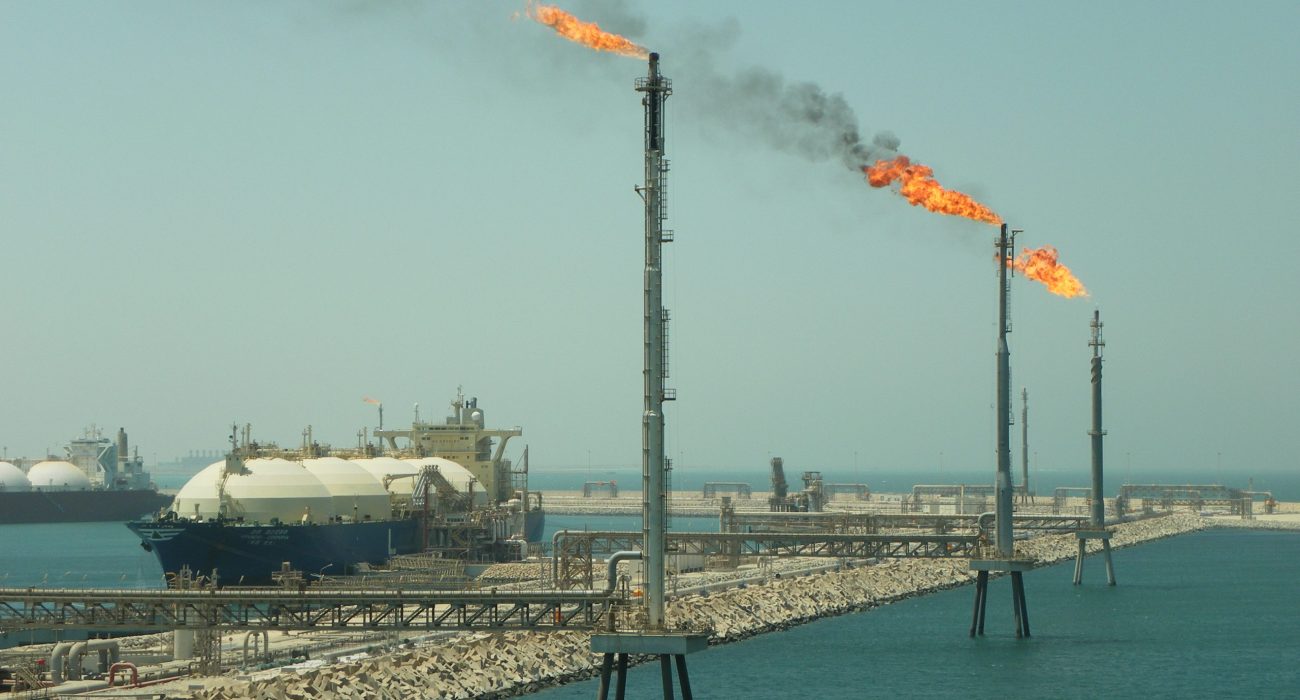
A drone strike linked to Iran has forced a shutdown at Qatar’s Ras Laffan LNG export complex. The attack sent immediate shockwaves through global energy and shipping markets. The facility handles about 20 percent of global LNG supply. As a result, even a short disruption can tighten gas markets worldwide.
The incident hits the center of the world’s largest LNG export hub. It also raises new concerns about the security of energy infrastructure across the Persian Gulf.
Attack Forces Production Halt
QatarEnergy suspended LNG production at Ras Laffan Industrial City after the drone strike. Authorities evacuated personnel and began security assessments. Operators halted output while officials evaluated the situation.
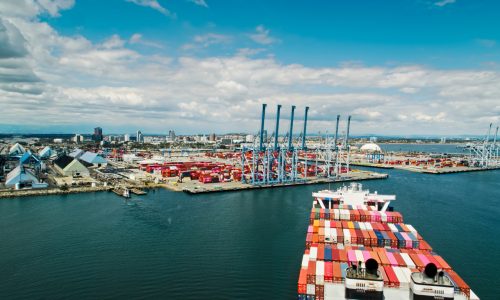
Ras Laffan lies about 80 kilometers north of Doha. It serves as the core of Qatar’s LNG industry. The port loads LNG carriers that supply buyers across Asia and Europe.
Because of its scale, any disruption has global consequences. Ras Laffan processes and exports roughly one fifth of the world’s LNG supply. Therefore, a prolonged shutdown could quickly tighten international gas availability.
Shipping Disruptions in the Strait of Hormuz
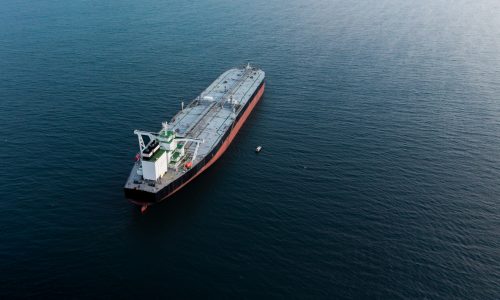
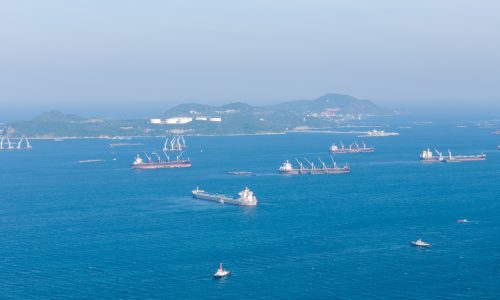
Meanwhile, tensions in the Persian Gulf have already disrupted shipping activity. Tankers and LNG carriers moving through the Strait of Hormuz face growing security concerns.
The waterway is one of the most important energy routes in the world. Around 20 percent of global LNG shipments pass through the strait.
As risks increase, some shipowners are avoiding the route. Consequently, vessel movements into the Gulf have slowed. This has complicated export operations at Qatar’s terminals.
At the same time, LNG storage tanks at Ras Laffan began filling rapidly. With fewer cargoes leaving the port, production became harder to sustain. The shutdown soon followed.
Gas Prices Surge
Energy markets reacted immediately. European benchmark gas futures jumped more than 50 percent in one trading session. This marks the biggest surge since the energy shock triggered by Russia’s invasion of Ukraine.
Although Asia receives most Qatari LNG cargoes, reduced supply will affect global markets. Buyers may now compete more aggressively for alternative shipments. In particular, LNG exports from the United States could become more important.
Analysts say the length of the shutdown will determine the full impact. If exports remain offline, spot LNG prices could rise sharply.
Reliability of Qatar’s LNG Supply Tested
For decades, Qatar has built its reputation on reliable LNG supply. Long term contracts and consistent deliveries supported that image.
However, the drone strike now raises new questions about supply security in the Gulf. If tensions persist, major importers may accelerate supply diversification.
For the global shipping and LNG sectors, the message is clear. One of the world’s most critical energy export hubs now faces rising geopolitical risk.