QatarEnergy has placed 10 LNG carriers on the charter market after halting production at its export facilities. The move comes as LNG shipping rates climb sharply and global gas markets tighten.
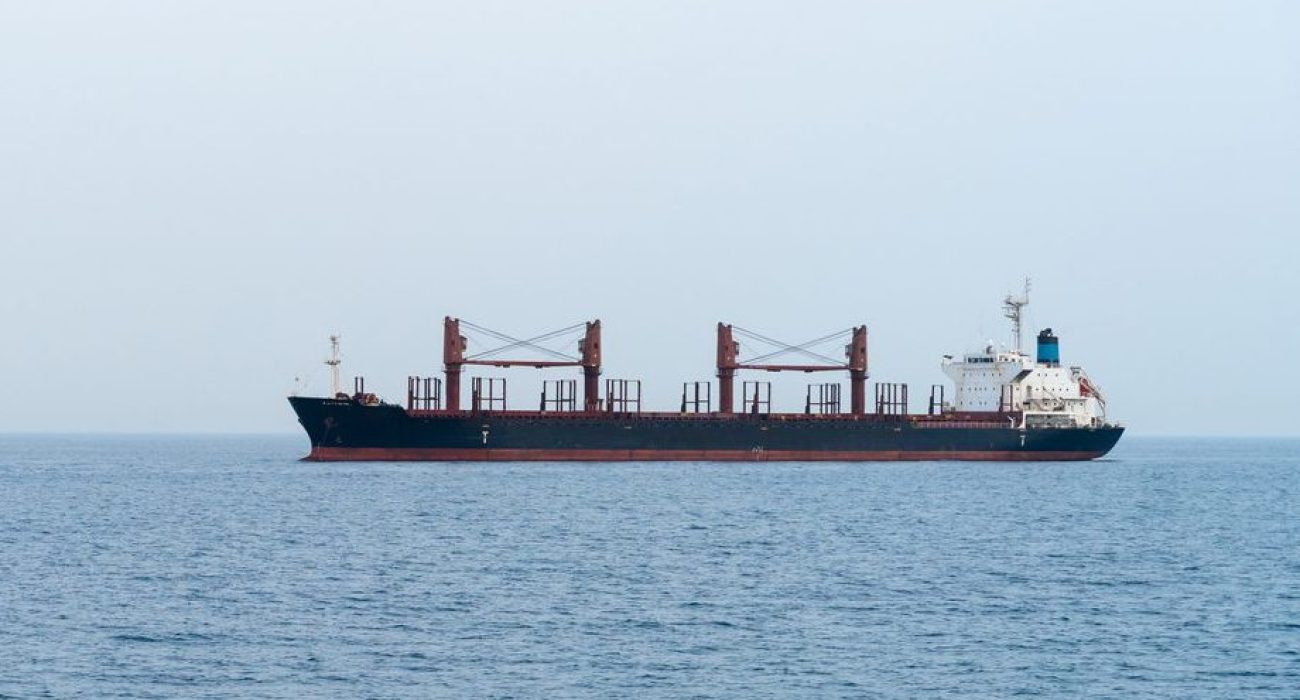
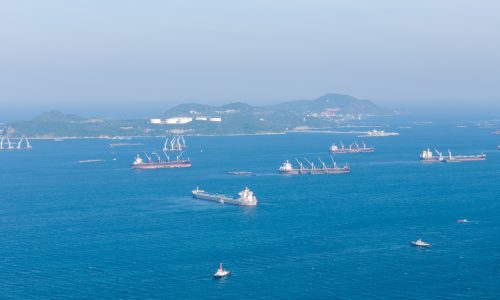
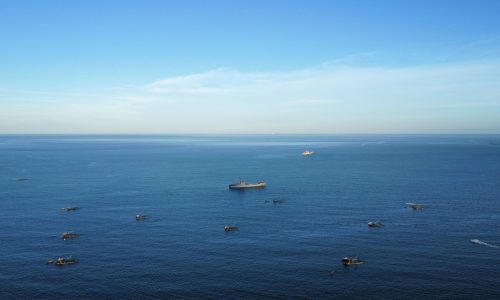
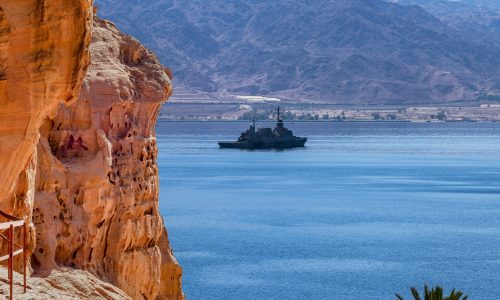
The vessels are waiting outside the Strait of Hormuz. The company positioned them there to reduce security risks linked to rising tensions in the region.
QatarEnergy recently stopped output at its LNG complex with capacity of 77 million tonnes per year. The company also declared force majeure on several LNG cargoes, according to market sources.
The shutdown has shaken global LNG supply chains. Qatar remains the world’s second largest exporter of liquefied natural gas. Any disruption quickly affects both gas prices and LNG shipping demand.
LNG Shipping Market Tightens
Freight rates for LNG carriers have surged following the supply disruption.
Spot rates in the Atlantic basin have climbed to about 264250 dollars per day. Pacific basin rates are close to 219250 dollars per day.
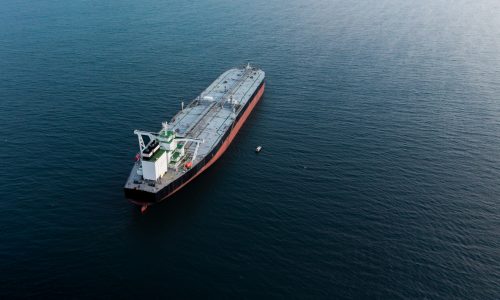
Several large vessels are among the ships now available for charter. At least three are Q Flex LNG carriers with capacity of around 210000 cubic metres.
These vessels carry far more cargo than standard LNG tankers. They mainly serve long distance routes between Qatar, Europe, and Asia.
Disruption May Last Months
Energy Minister Saad al Kaabi warned that normal LNG deliveries may not return quickly. Even if tensions ease today, supply chains may need weeks or months to stabilize.
The shutdown has already pushed gas prices higher in Europe and Asia. Traders are now competing for replacement cargoes across both Atlantic and Pacific markets.
Two of the vessels are expected to deliver cargoes to Europe next week. The continued vessel movements suggest the disruption may last longer than initially expected.
For the LNG shipping market, the situation creates unusual dynamics. Cargo supply has tightened, but demand for LNG carriers continues to rise as buyers reposition vessels and search for alternative cargoes.