Russia is moving to strengthen its position in global energy exports as tensions linked to the Iran conflict disrupt oil markets and maritime shipping routes.
Rising geopolitical risk in the Middle East has pushed oil prices higher and created uncertainty across tanker markets. For Moscow, the situation offers a chance to expand crude sales and capture additional market share in global energy trade.
Russian officials and energy analysts indicate that the country may increase oil exports while competitors in the Gulf face potential disruptions.
Middle East tensions reshape global oil flows
The conflict involving Iran has raised concerns about the stability of energy supply routes in the Persian Gulf. Shipping companies and oil traders closely monitor the Strait of Hormuz, a key corridor for global crude exports.
Any disruption in this region could affect a significant share of the world’s seaborne oil trade. As a result, energy markets have reacted quickly, driving strong price volatility.
Higher prices typically benefit large exporters such as Russia. Stronger crude benchmarks increase revenue for producers and improve margins on international shipments.
At the same time, global refiners are searching for reliable supply as geopolitical risk grows.
Russian crude exports gain strategic relevance
Russia has already redirected much of its oil trade toward Asian markets following Western sanctions introduced after the invasion of Ukraine.
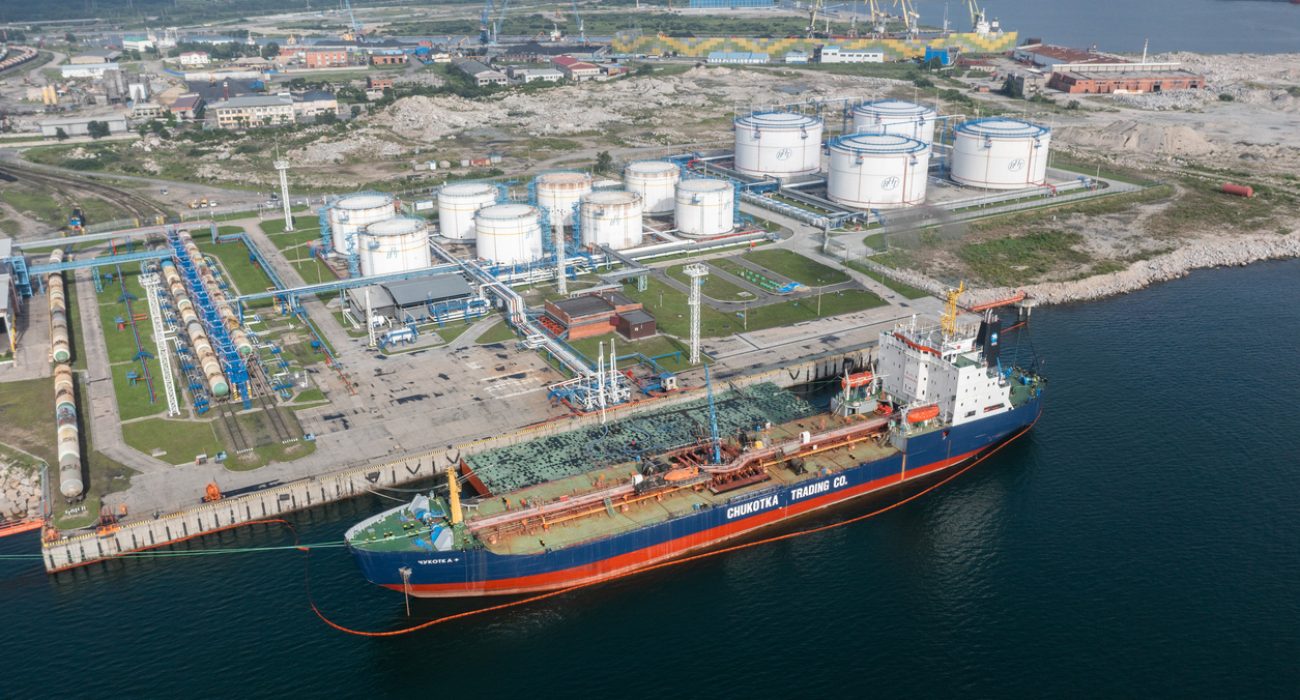
India and China have become major buyers of discounted Russian crude. Tanker flows from Russian ports in the Baltic Sea and the Black Sea now move largely toward Asian refineries.
Market analysts suggest that further instability in the Middle East could strengthen demand for these shipments.
Russian crude transported by tanker could therefore gain additional importance for energy importing nations seeking stable supply.
Shipping markets face new uncertainty
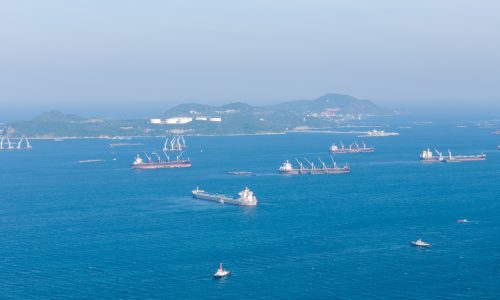
Volatility in the oil market has direct consequences for the maritime sector. Tanker operators, charterers, and traders must adjust to rapid shifts in cargo flows and freight demand.
If Middle East exports face disruption, tanker routes may change significantly. Longer voyages from Russia to Asia could increase ton mile demand and tighten vessel availability.
Such shifts would likely support tanker freight rates and reshape global shipping patterns.
Energy geopolitics drives maritime trade dynamics
The current situation highlights how geopolitical conflicts quickly influence global maritime trade.
Energy exporters, shipping companies, and commodity traders are all adjusting their strategies as the conflict evolves.
For Russia, the turmoil in oil markets presents an opportunity to strengthen its role in global energy supply and expand its influence across the tanker shipping sector.