Russian Baltic Port Suspends Crude Loading After Drone Strike Fire
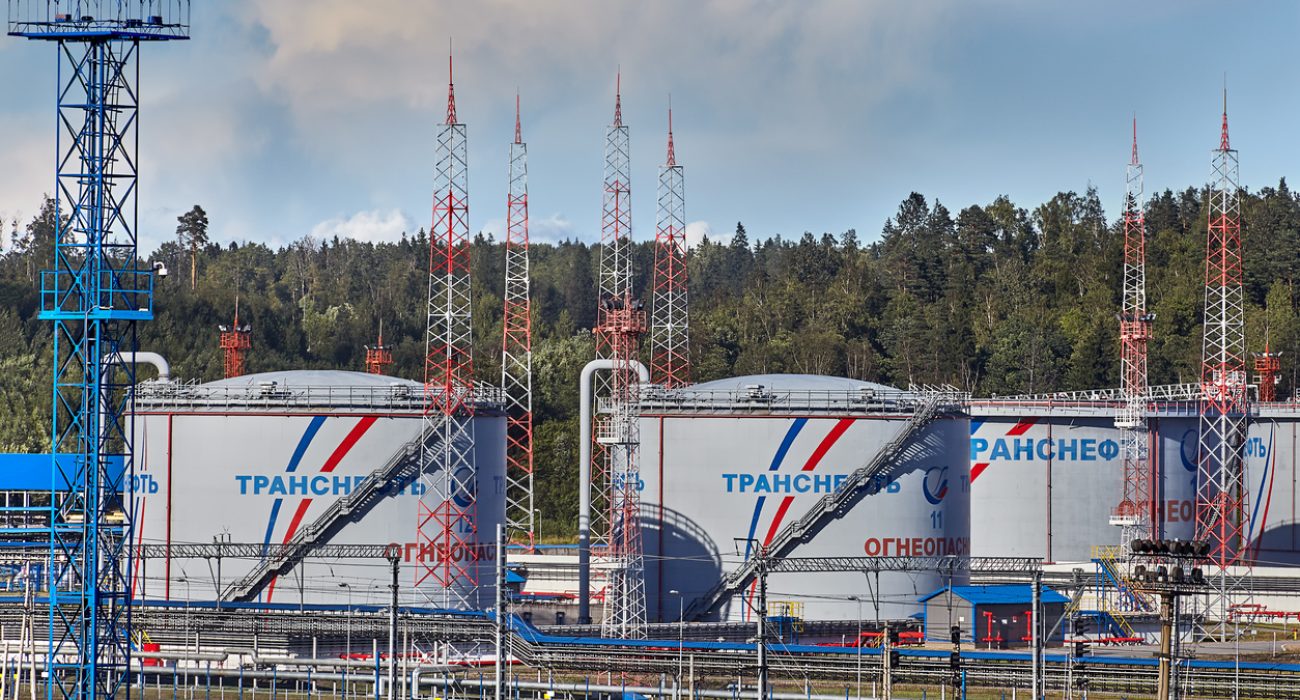
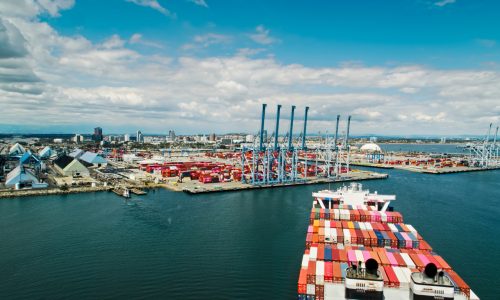
File image of Transneft oil terminal infrastructure at the Port of Ust-Luga in Russia’s Baltic Sea, a major hub for crude oil exports affected by recent disruptions. Source: iStock.
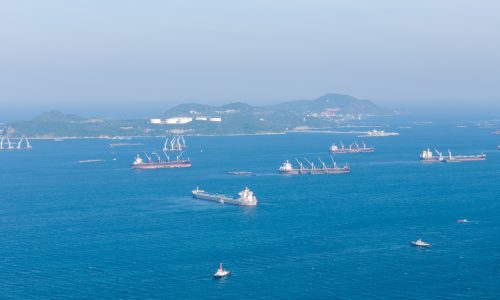
Crude oil loading has stopped at Russia’s Baltic Port of Ust-Luga after a drone strike triggered a fire, disrupting tanker operations and export flows. The port is a major gateway for seaborne crude shipments, and the disruption is raising concern across tanker markets.
Authorities said the strike hit infrastructure linked to oil handling and started the fire. Emergency crews contained the blaze, but operators suspended loading during the response.
Impact on tanker movements
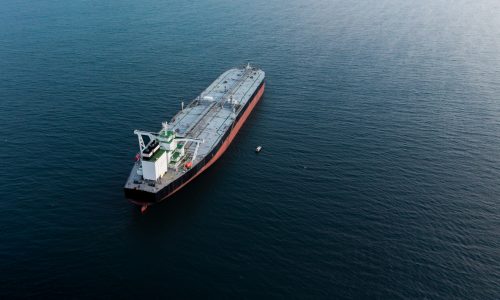
The suspension of loading has delayed vessel schedules and created uncertainty for tankers waiting to lift cargo. Ship operators are now monitoring the situation closely as they assess whether delays will extend or if cargoes will be rerouted.
The Baltic Sea remains a critical corridor for Russian crude exports, with shipments moving to global markets. Any interruption at a major terminal can quickly affect vessel availability, freight rates, and regional supply chains.
Supply chain risks increase
Market participants are watching for signs of prolonged disruption. A short stoppage may have limited impact, but extended downtime could tighten supply flows and place additional pressure on tanker logistics.
The incident highlights the growing risk to energy infrastructure linked to the ongoing conflict. Ports and terminals have become more exposed to attacks, increasing operational uncertainty for maritime shipping companies.
Safety and security concerns remain
Officials continue to assess damage at the site and have not confirmed when normal loading operations will resume. Safety inspections and repair work will determine the timeline for reopening the terminal.
Shipping companies and charterers are expected to factor in higher risk when planning voyages in the region. The situation also underscores the need for enhanced security measures at key export hubs.