IMO plan targets evacuation of stranded seafarers in Gulf
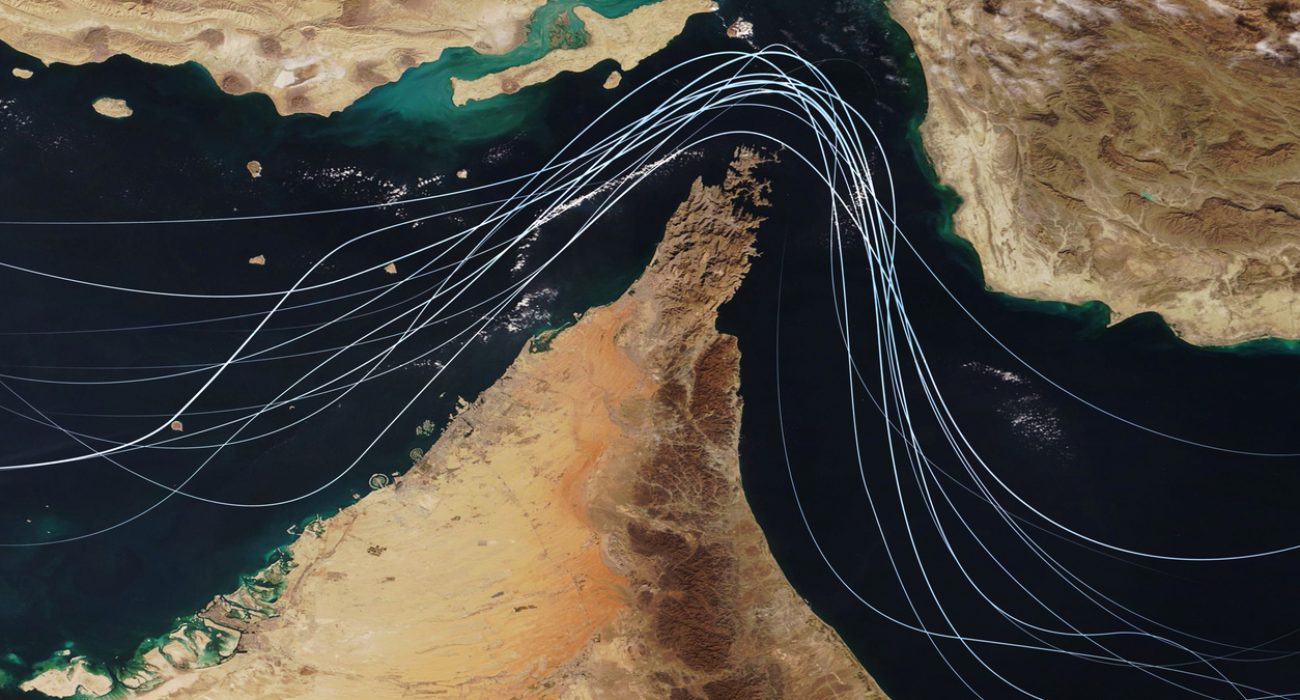
Satellite view of the Strait of Hormuz, a key global shipping route currently affected by security tensions disrupting vessel movements in the Gulf. Source: iStock.
A group of maritime nations has proposed a safe shipping corridor to evacuate about 20,000 seafarers stranded aboard vessels in the Gulf. The move follows escalating tensions involving Iran that have disrupted commercial shipping through the Strait of Hormuz.
The proposal was presented at a meeting of the International Maritime Organization council in London. Bahrain, Japan, Panama, Singapore and the United Arab Emirates submitted the plan, with support from the United States.
Shipping paralysis in the Strait of Hormuz
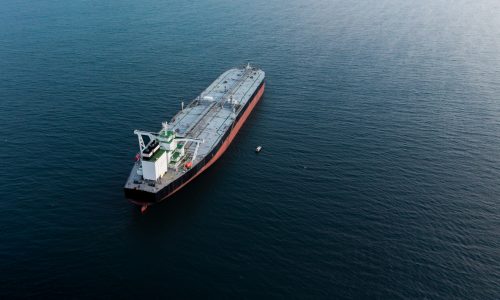
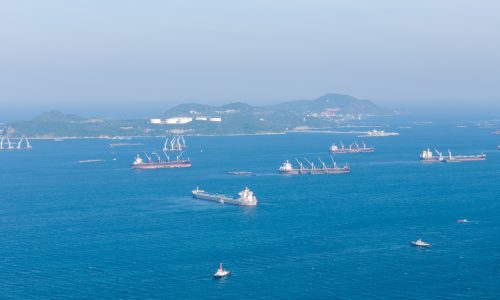
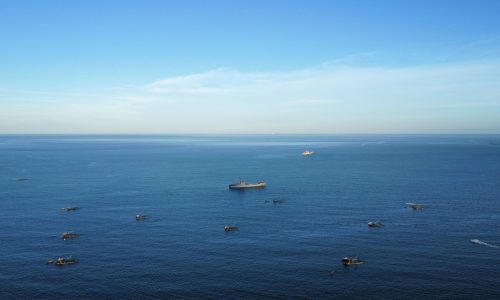
Shipping activity in the Gulf has slowed sharply in recent days. Iran has warned it could target vessels attempting to leave the region through the Strait of Hormuz. As a result, hundreds of ships remain at anchor.
Operators are avoiding transit due to rising security risks. This has created a bottleneck in one of the world’s most critical energy shipping routes. The Gulf handles a large share of global oil and liquefied natural gas flows.
Crew safety concerns rise
The proposed corridor aims to allow vessels to exit safely while protecting crews. Governments involved say the priority is to reduce risk exposure for seafarers and restore limited movement.
IMO Secretary General Arsenio Dominguez confirmed that at least seven seafarers have died since the crisis escalated. He urged restraint and warned that civilian crews should not be caught in geopolitical conflict.
Pressure builds for international response
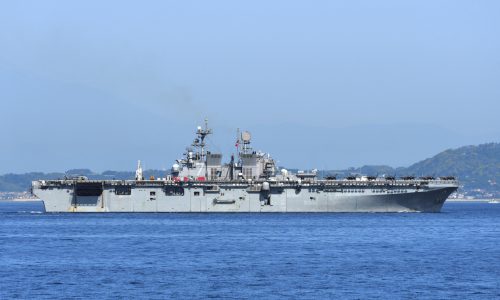
The United States is calling for broader international action to secure the waterway. President Donald Trump has urged countries to help protect shipping through the Strait of Hormuz.
NATO is also reviewing possible measures, according to Secretary General Mark Rutte. Any disruption to this corridor carries major implications for tanker markets and global energy supply chains.
Iran response and next steps
Iran has stated that it continues to provide assistance to vessels and seafarers operating in the Gulf. The IMO council is continuing discussions as governments assess coordinated responses.
The situation remains fluid. Industry stakeholders are watching closely as risks to crews, vessels and cargo flows continue to build.