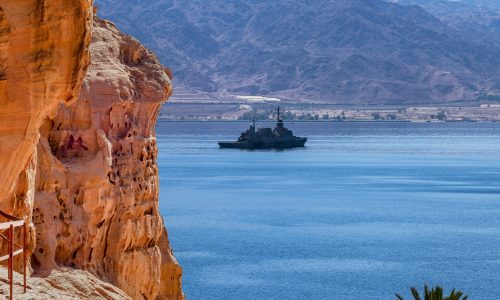
Naval forces from El Salvador have intercepted a suspected trafficking vessel deep in the eastern Pacific, recovering 6.6 tonnes of cocaine in the largest maritime drug seizure in the country’s history.
Long range patrol leads to interception
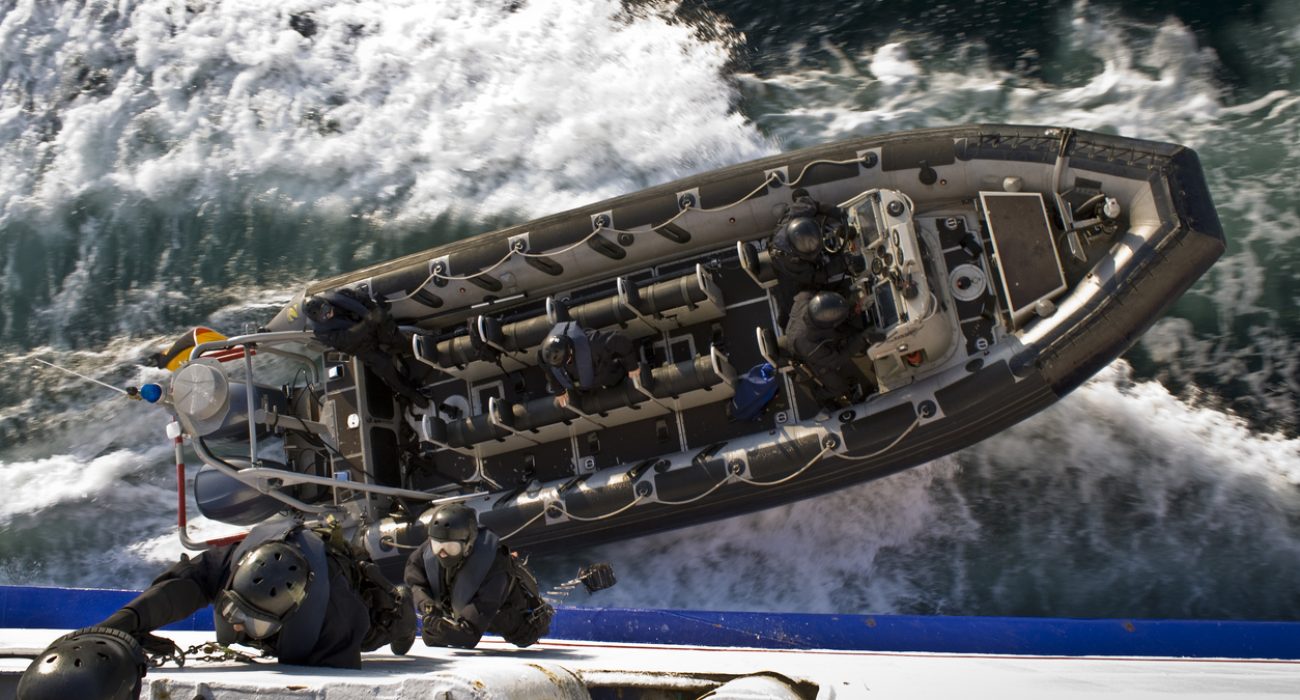
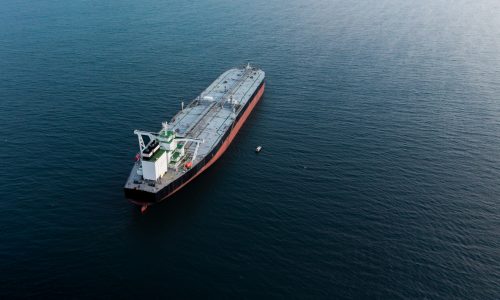
The operation occurred about 380 nautical miles southwest of the coastline in the Pacific Ocean. Patrol units first tracked an aging offshore support style workboat, FMS Eagle, moving along a known trafficking corridor. Commanders then dispatched a boarding team, which secured the vessel without resistance.
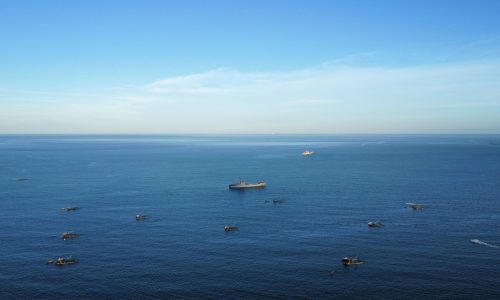
This distance matters. Traditionally, enforcement focused near coastal approaches. However, traffickers now operate farther offshore to avoid surveillance. Therefore, the navy has extended patrol coverage into blue water zones.
Contraband discovered inside ballast spaces
Inspectors searched the vessel and soon identified irregular ballast compartments. Divers entered the confined tanks and recovered 330 packages of cocaine weighing 6.6 tonnes.
Authorities estimate the shipment’s regional wholesale value at roughly 165 million US dollars. Officers detained ten crew members from several Central and South American countries. Prosecutors will handle charges, while authorities expect to confiscate the vessel.
Smuggling tactics continue to evolve
Criminal groups increasingly avoid fishing boats. Instead, they now use repurposed offshore workboats that blend into commercial maritime traffic. Moreover, hiding narcotics inside ballast tanks complicates inspection because standard boarding teams cannot access these areas safely without dive support.
As a result, interdiction units must deploy specialized boarding and diving teams. The navy has expanded these capabilities in recent years, and this case demonstrates their operational impact.
Regional maritime security implications
Central American states increasingly target cargoes in international waters rather than near shore. Early interception prevents redistribution via small craft networks and reduces jurisdiction disputes.
Consequently, endurance patrol capacity and intelligence sharing now shape counter narcotics success at sea. Busy shipping routes remain attractive to traffickers. Nevertheless, extended offshore patrols significantly raise interception risk.
The scale and distance of this seizure highlight the growing role of naval forces in protecting maritime trade routes from transnational criminal networks.