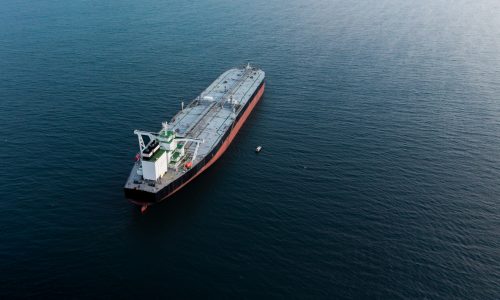
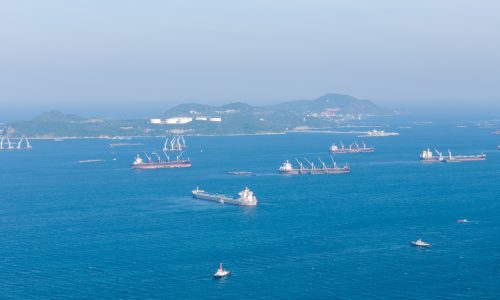
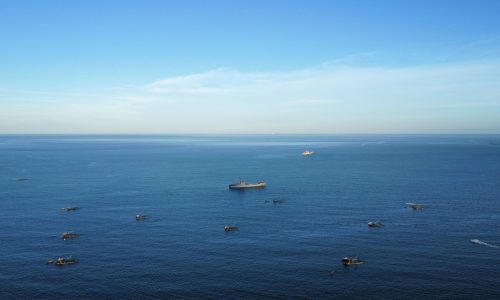
Saudi Arabia is rapidly shifting crude exports toward the Red Sea as instability around the Strait of Hormuz disrupts tanker traffic in the Gulf. The move is already visible in shipping data. A growing number of very large crude carriers are gathering near the Saudi export hub of Yanbu.
Around 11 VLCCs reached the area within roughly a day. Many of them were waiting offshore before loading cargo. The buildup reflects Saudi Arabia’s effort to move oil exports away from the Gulf and toward the Red Sea.
Tankers Gather as Exports Shift
Saudi Aramco plans to increase shipments through the Red Sea route. The company has indicated that exports through this corridor could reach about 5 million barrels per day.
Such volumes would represent a major expansion of flows through Yanbu. It would also test the capacity of the export infrastructure during a period of geopolitical tension.
For now, export levels remain below that target. Flows from Yanbu have averaged about 2.7 million barrels per day this month. During the week ending March 12, exports climbed to roughly 2.9 million barrels per day. That compares with about 1.9 million barrels per day during the first days of March.
Yanbu Export Capacity in Focus
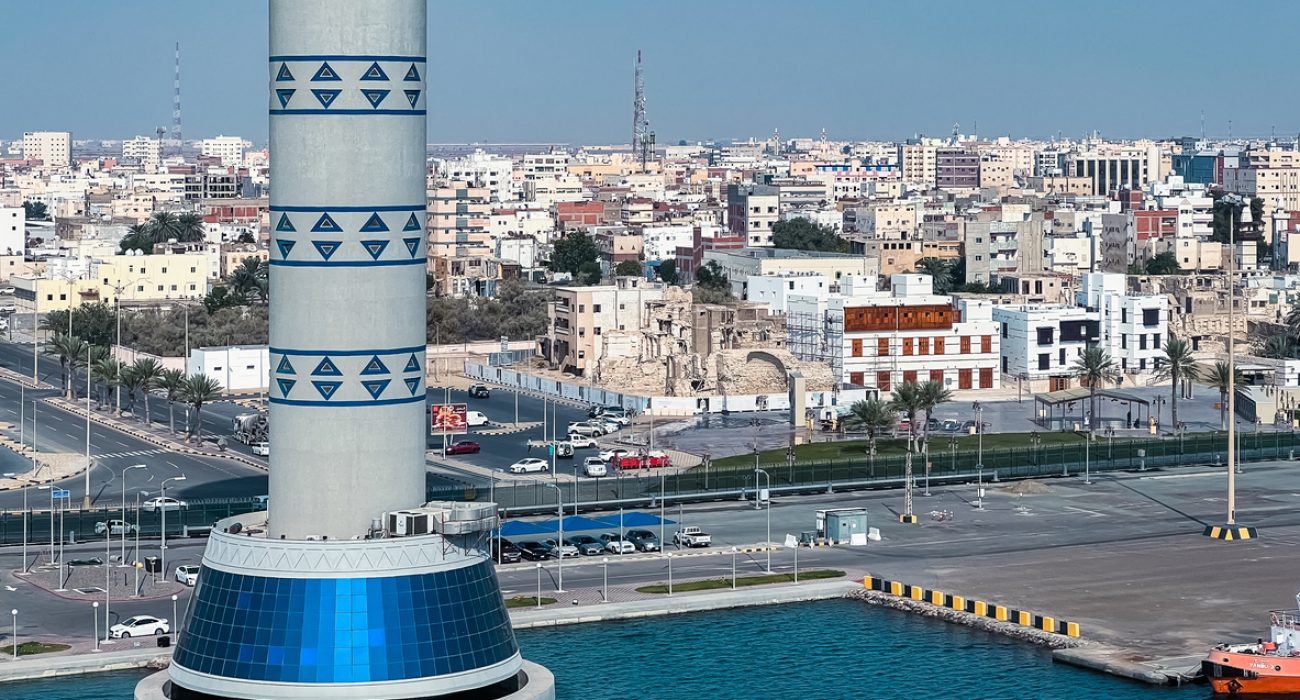
Yanbu has significant loading capacity for crude exports. Two major terminals operate at the port. These are Yanbu North and Yanbu South, also known as Al Mu’ajjiz.
Together they offer seven berths capable of handling very large crude carriers. Each berth can theoretically load one VLCC per day. Short waiting periods outside the port are common and may simply reflect normal berthing schedules.
Pipeline Flows May Take Days
The key factor now is pipeline supply from eastern Saudi Arabia. Crude travels through the East West pipeline from Abqaiq to the Red Sea coast.
Pipeline flows move at roughly three to eight miles per hour. As a result, it may take four to ten days for additional volumes to reach Yanbu after entering the system.
Saudi Aramco leadership has said pipeline throughput is increasing. That suggests more crude could arrive at the terminal within days.
Another shift is also emerging in tanker routes. Many Yanbu cargoes now head directly toward Asian buyers. Fewer shipments are moving north toward Egypt’s Sumed pipeline. The change shows how disruption near the Strait of Hormuz is reshaping global crude shipping routes.