Saudi Arabia has sharply increased crude shipments through the Red Sea, sending export volumes to their highest level on record for March. Shipping data shows that the kingdom has expanded tanker activity along its western coastline as energy flows adjust to rising geopolitical risks in the Middle East.
The surge highlights the growing role of Red Sea shipping routes for global oil transport as maritime trade adapts to instability affecting Gulf waters.
Tanker Shipments Increase at Red Sea Terminals
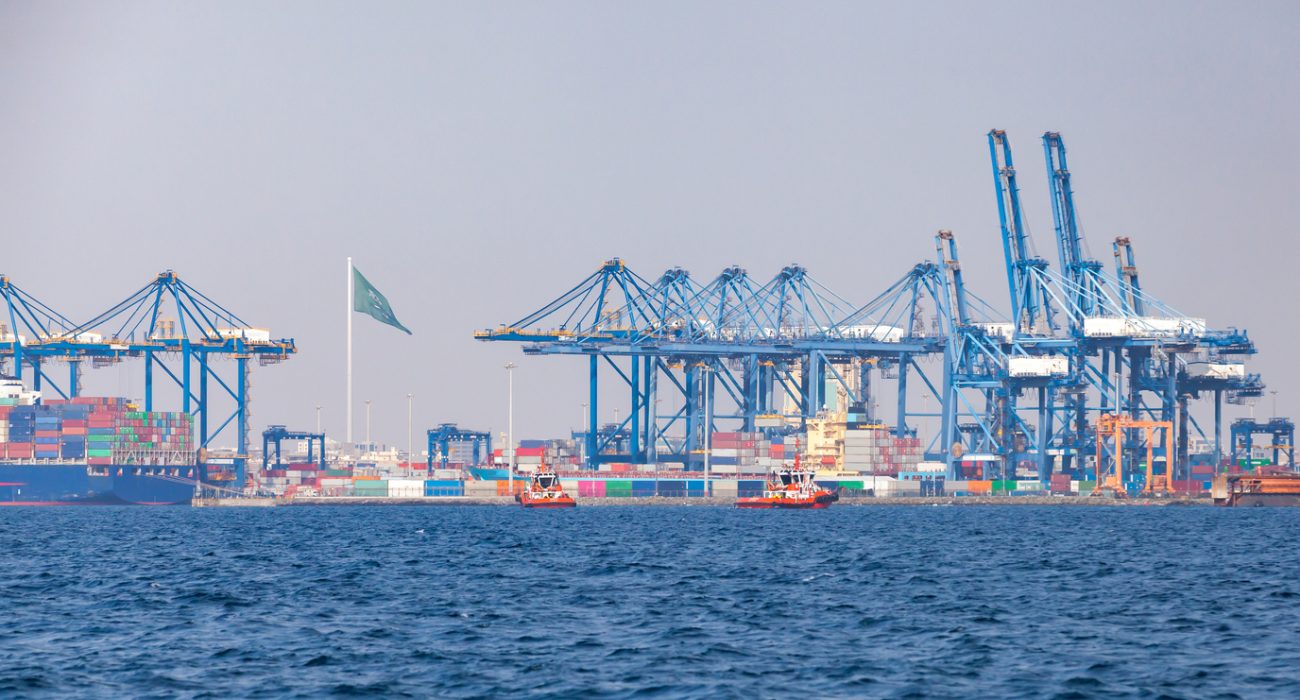
Saudi Arabia operates several major oil export facilities on its Red Sea coast. These ports allow crude shipments to reach global markets without passing through the Strait of Hormuz.
Recent tanker tracking data indicates that export activity from these terminals has increased significantly during March. Cargo volumes shipped from the region have reached the highest level ever recorded for this time of year.
Energy analysts say the increase reflects Saudi Arabia’s ability to reroute crude oil flows through its Red Sea infrastructure when geopolitical tensions threaten shipping routes in the Persian Gulf.
Alternative Export Routes Gain Strategic Importance
The Red Sea route provides an important alternative corridor for crude exports. Saudi Arabia can move oil from eastern production fields to western ports using its East West pipeline network.
This infrastructure allows crude to bypass the Strait of Hormuz and reach international markets through Red Sea shipping lanes.
As security concerns affect Gulf navigation, the ability to shift exports toward the Red Sea has become increasingly valuable for maintaining reliable energy supply.
Tanker Traffic Supports Global Energy Supply
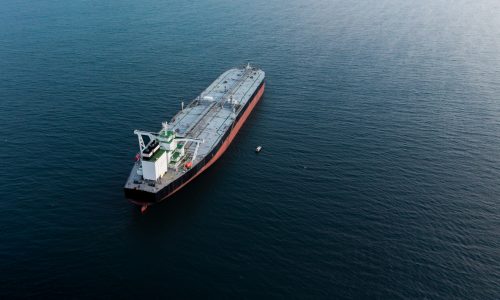
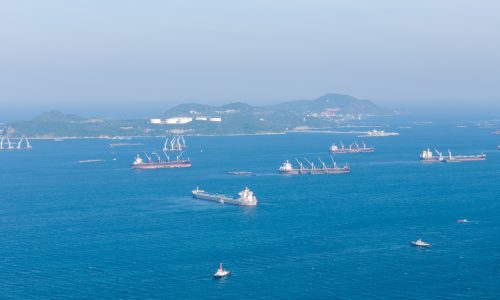
Higher export volumes have also increased tanker traffic along Red Sea shipping routes. Very large crude carriers and other oil tankers regularly load cargo at Saudi terminals before sailing toward Europe, Asia, and other destinations.
Shipping companies and energy traders closely monitor these movements because they influence global crude supply flows and tanker market activity.
Shipping Industry Watches Red Sea Developments
The rise in Red Sea oil exports comes as maritime security conditions remain uncertain across several Middle East waterways.
Industry observers say Saudi Arabia’s ability to expand shipments from Red Sea ports provides flexibility for global oil logistics during periods of regional instability.
For tanker operators and energy markets, the continued growth of Red Sea export routes highlights how maritime infrastructure can reshape global shipping patterns when traditional trade corridors face disruption.