Seafarers working under International Bargaining Forum agreements can now refuse to sail through the Middle East Gulf. Maritime unions and shipowners introduced the measure after security incidents increased in the region.
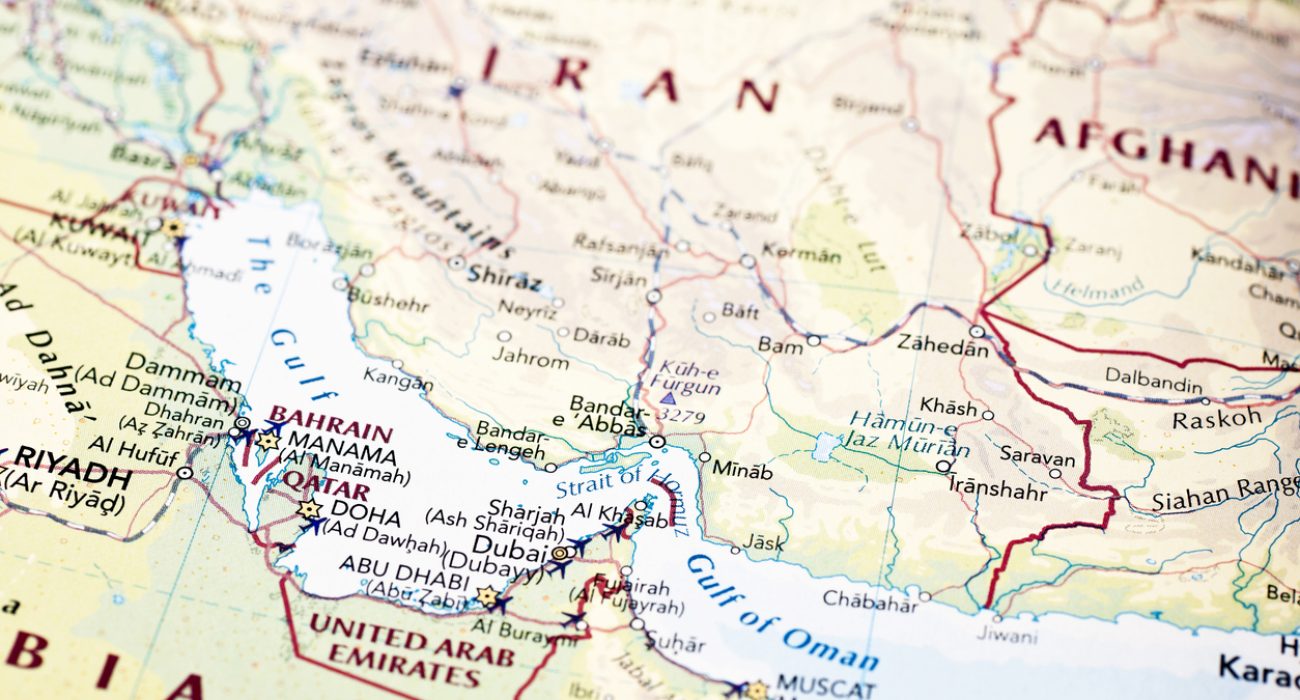
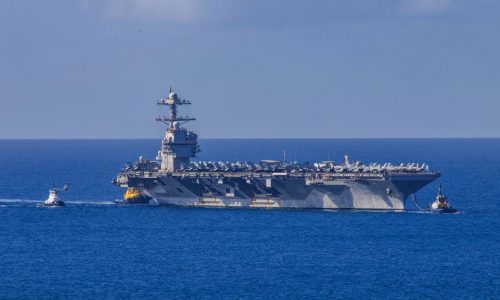
The decision covers the Gulf and the Strait of Hormuz. Tensions linked to the United States conflict with Iran have raised the risk level for commercial shipping.
Attacks Raise Concerns for Merchant Shipping
Security incidents have increased in recent weeks. Commercial vessels operating near the Gulf now face a higher threat level.
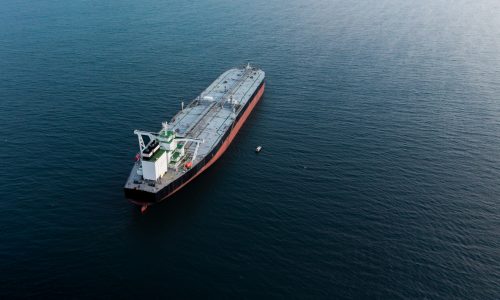
Since February 28, hostilities have damaged at least nine merchant ships. One seafarer has died during the incidents.
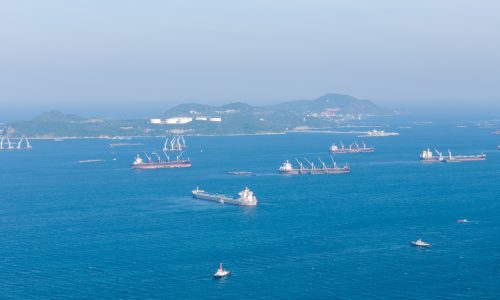
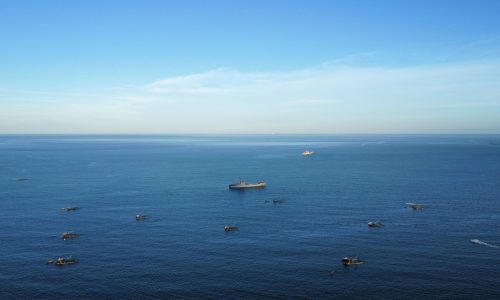
These attacks have already disrupted maritime traffic. Around 300 vessels now wait on both sides of the Strait of Hormuz. Shipowners and operators are assessing the security situation before continuing their voyages.
The Strait of Hormuz remains one of the most critical routes in global trade. A large share of the world’s energy shipments passes through the waterway. Any disruption can quickly affect tanker markets and global energy supply chains.
IBF Introduces Emergency Crew Protections
The International Bargaining Forum negotiated new safeguards during emergency talks.
Under the agreement, seafarers covered by IBF contracts may refuse voyages that pass through the designated high risk zone. Shipowners must arrange and pay for repatriation if a crew member refuses the assignment.
Crews who decline the voyage will also receive compensation equal to two months of basic wages.
Higher Pay and Compensation for Crews
Seafarers who continue to operate in the Gulf will receive additional protection.
The agreement increases wages for crews sailing through the high risk area. It also doubles compensation in cases of death or disability linked to incidents in the region.
Unions Stress Crew Safety
The International Transport Workers Federation says the decision protects crews operating in dangerous waters.
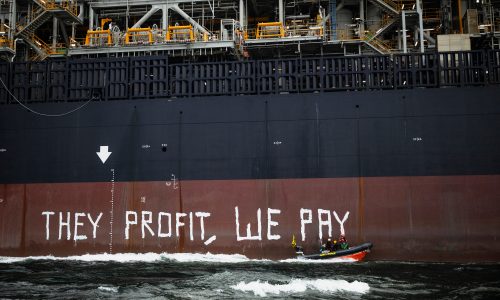
Union leaders say seafarers keep global supply chains moving. However, they should not face life threatening risks without proper protections or the option to refuse dangerous voyages.
The decision highlights the growing pressure on global shipping as geopolitical tensions threaten key maritime routes.