Global shipping companies continue to fund low emission vessels even after a delay to an international carbon levy planned by the International Maritime Organization. Industry executives say long asset lifecycles and regional regulation make waiting too risky.
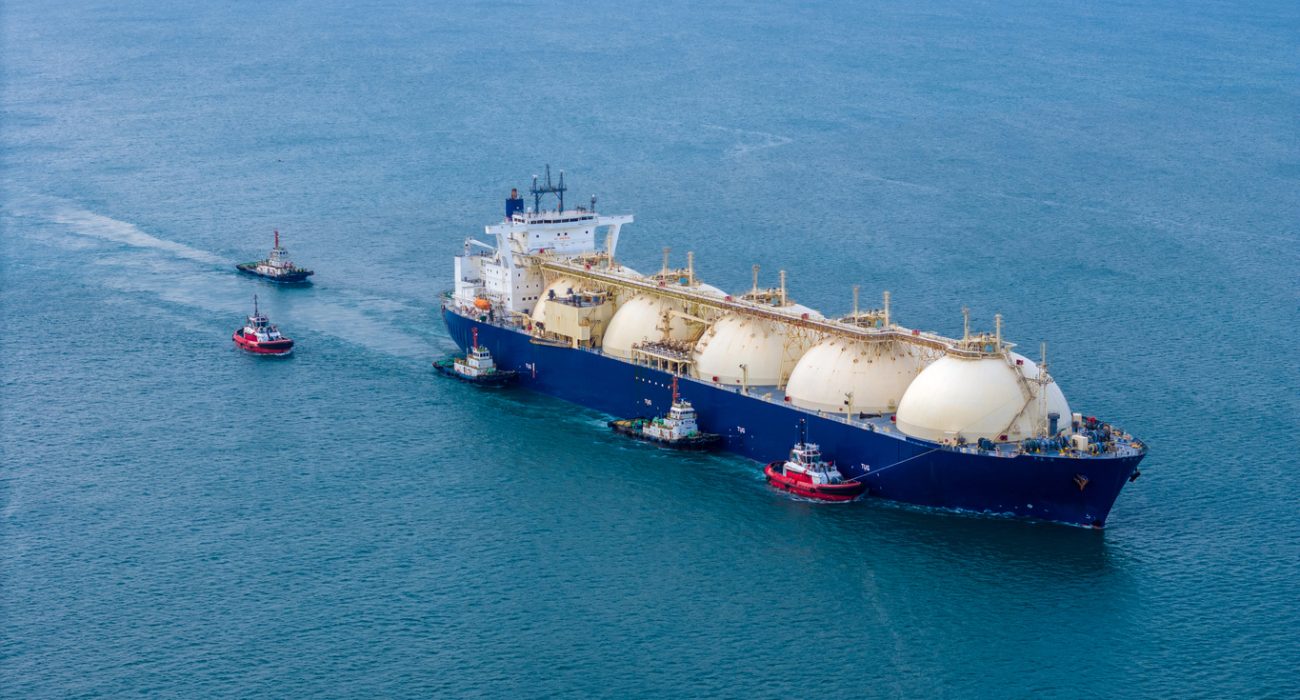
Fleet renewal plans now focus on fuel flexibility. Owners are ordering ships capable of operating on conventional bunker fuel and alternative marine fuels such as LNG, methanol and ammonia. The strategy allows operators to comply with future rules while maintaining trading flexibility in current markets.
By the end of 2025, the sector had committed more than $150 billion to low carbon ships and supporting technology. Dual fuel designs dominate new orders for container vessels and car carriers. Charterers increasingly request lower emission tonnage in long term contracts.
Regulation Still Drives Investment
Companies point to regional rules rather than global policy as the main trigger for spending. The European Union Emissions Trading System already imposes costs on carbon intensive voyages involving European ports. FuelEU Maritime standards also tighten fuel intensity limits over time.
These measures create predictable compliance exposure. Owners prefer to invest early rather than face penalties or reduced charter appeal later. Executives say the economics of newbuilds now include carbon cost scenarios even without a universal levy.
Long Lead Times Shape Strategy
Shipping decarbonisation requires decades of planning. A vessel ordered today may trade for twenty five years. Because of that horizon, companies avoid reacting to short term political shifts.
Some industries slowed environmental spending after changes in US climate policy signals. Shipping has not followed. Operators argue that fuel infrastructure, engine development and charter demand already point toward lower emissions operations.
Market Implications
The continued spending suggests competitive pressure will intensify between modern and conventional fleets. Charterers and financiers increasingly evaluate emissions performance alongside freight rates and credit risk.
As monitoring expands and regional rules tighten, vessels without fuel flexibility may face weaker employment prospects. Owners that invested early expect stronger utilisation and easier access to capital.