Russia Warns Strait of Hormuz Closure Could Shock Global Oil and Shipping Markets
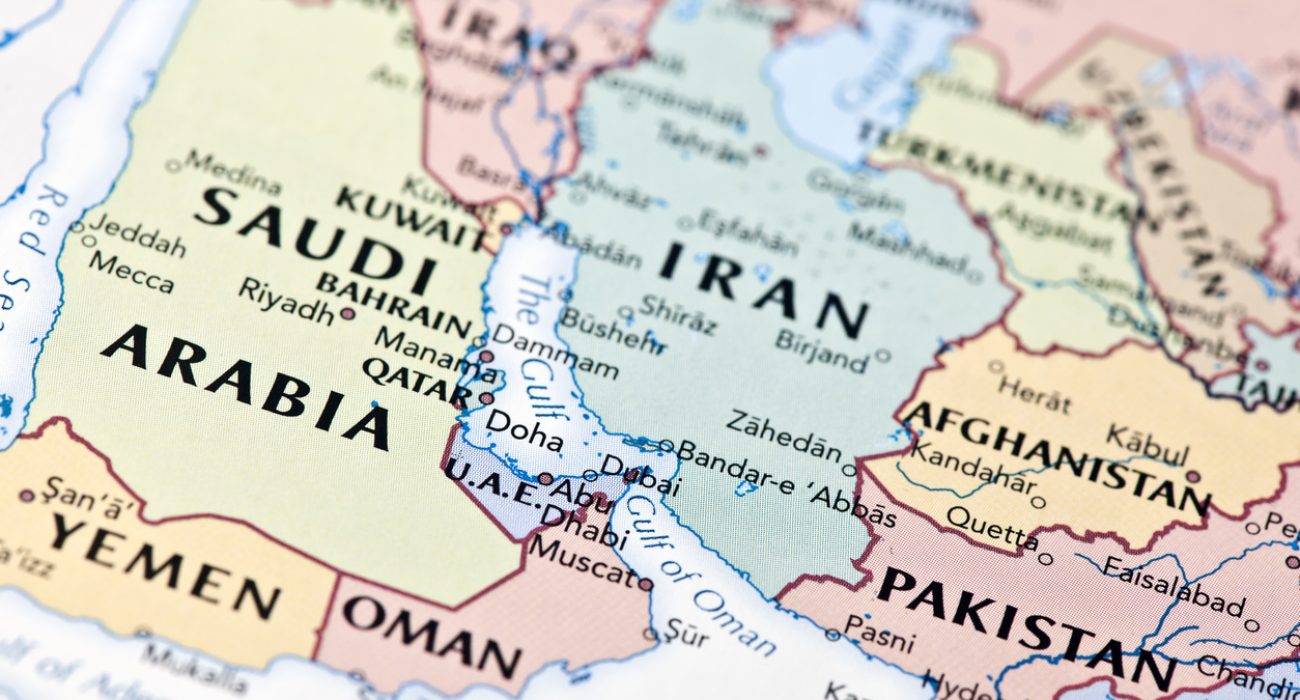
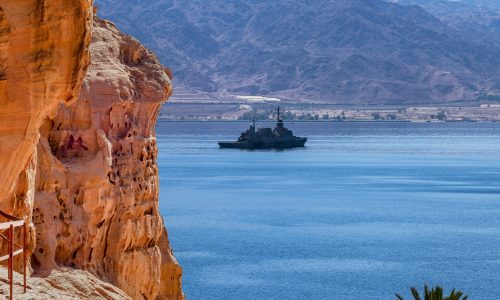
Strait of Hormuz map showing the narrow maritime corridor between Iran and Oman that carries roughly one fifth of global seaborne oil flows. Source: iStock
Russia has warned that any prolonged shutdown of the Strait of Hormuz would trigger serious disruption across global energy and maritime markets. Moscow described the waterway as a critical artery for international oil and gas trade and cautioned that interference with tanker traffic would have far reaching consequences.
Energy Transit at Risk
The Strait of Hormuz handles roughly one fifth of global seaborne oil flows, along with significant volumes of liquefied natural gas. Following escalating tensions in the Gulf, major tanker operators, energy companies and commodity traders have suspended shipments through the corridor. Vessel movements have slowed sharply as shipowners assess security risks.
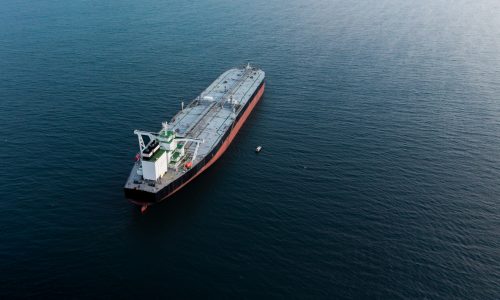
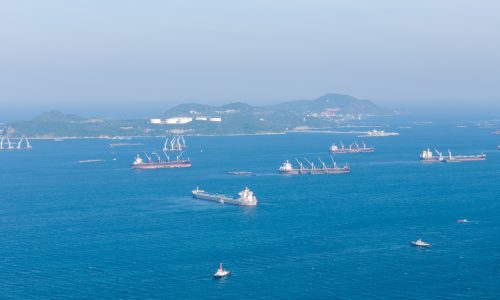
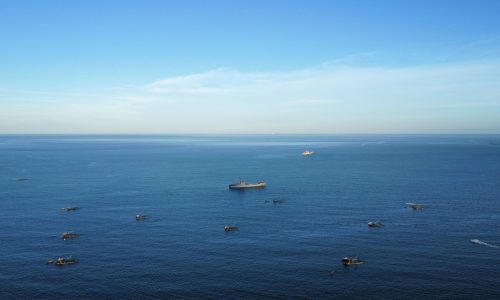
Shipping sources report that some crude and LNG carriers remain idle outside the Gulf amid uncertainty over safe passage. Marine insurers have raised war risk premiums for voyages in the region. In several cases, underwriters have limited or withdrawn coverage for transits through Gulf waters.
Geopolitical Escalation Raises Stakes
Russia also criticized recent actions targeting Iran’s senior leadership, calling them a violation of international norms. The foreign ministry urged de escalation and renewed diplomatic engagement to prevent further deterioration of regional security.
Market analysts warn that any extended blockage of the Strait would tighten global oil supply. Benchmark crude prices could rise sharply if exporters in the Gulf lose access to international markets. Refiners and traders would need to seek alternative supply routes, increasing freight costs and transit times.
Shipping and Supply Chain Implications
For the maritime industry, the disruption adds to existing pressures on global trade lanes. Tanker availability may tighten if vessels avoid the Gulf. Freight rates could climb as ships reroute around risk areas. Higher insurance costs will likely feed into overall voyage expenses.
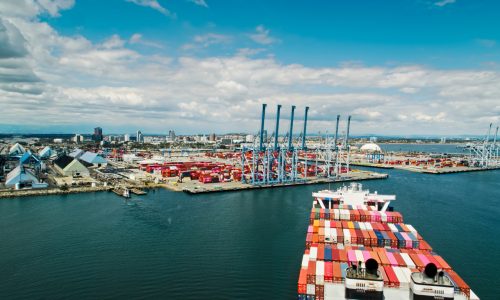
Container shipping and dry bulk operators are also monitoring developments. Even limited congestion near the Strait can create knock on delays across wider supply chains.
Industry participants stress that the Strait of Hormuz remains one of the most strategic maritime choke points in the world. Any sustained interruption would reshape tanker deployment patterns, alter energy trade flows and heighten volatility across oil markets and global shipping.