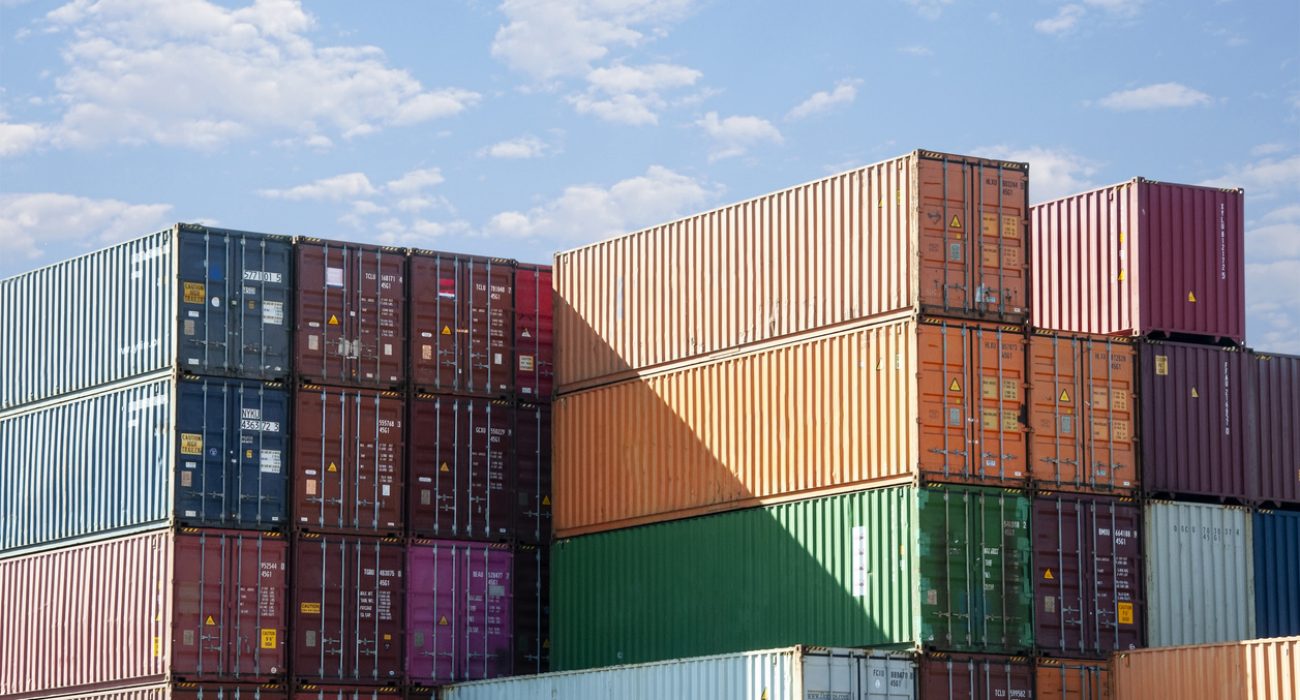
Global container shipping lines are revising operational strategies as security risks escalate in the Strait of Hormuz and across the Red Sea corridor. Heightened military tensions have forced carriers to reassess vessel deployment, suspend certain services and impose additional surcharges to offset rising exposure.
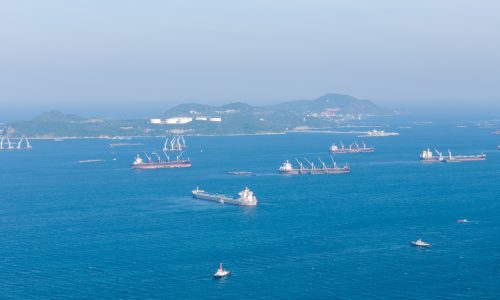
Several operators have temporarily halted transits through the Strait of Hormuz, citing direct threats to crew safety and vessel security. Ships already inside the Gulf have been instructed to proceed to designated safe areas while companies monitor developments. Booking activity to and from affected ports has slowed as lines evaluate next steps.
War Risk Surcharges Introduced
Hapag Lloyd introduced a war risk surcharge effective March 2 for cargo moving to or from Persian Gulf ports. The fee stands at 1,500 US dollars per twenty foot equivalent unit and 3,500 US dollars for refrigerated and special equipment. The carrier described the measure as necessary to reflect increased insurance and operational costs.
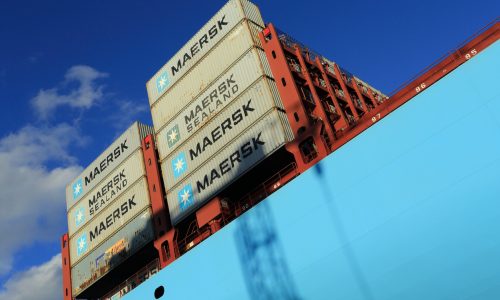
MSC, the largest global container line, directed vessels in the Gulf to shift to secure anchorages and temporarily suspended new bookings in the region. CMA CGM adopted similar precautions, redirecting ships away from high risk zones until conditions stabilize. Maersk suspended all scheduled Strait of Hormuz transits indefinitely, emphasizing crew and cargo protection as its primary concern.
Middle East Port Disruptions
Regional port infrastructure has also been affected. Jebel Ali experienced a temporary disruption after drone debris triggered a terminal fire, though full berth operations have since resumed. Ports in Bahrain and Duqm reported intermittent closures following drone activity in nearby waters.
Red Sea and Suez Canal Under Renewed Pressure
At the same time, the Red Sea remains under scrutiny. Carriers had begun restoring services through the Suez Canal after earlier disruptions linked to Houthi attacks. Renewed instability now threatens those plans. A return to Cape of Good Hope diversions would extend transit times, tighten vessel supply and increase bunker consumption.
Supply Chain Impact and Capacity Strain
For global supply chains, the impact is immediate. Shipping costs are climbing, transit schedules are less predictable and capacity management is becoming more complex. The evolving security environment underscores the vulnerability of critical maritime chokepoints and reinforces the need for flexible network planning across global container trades.