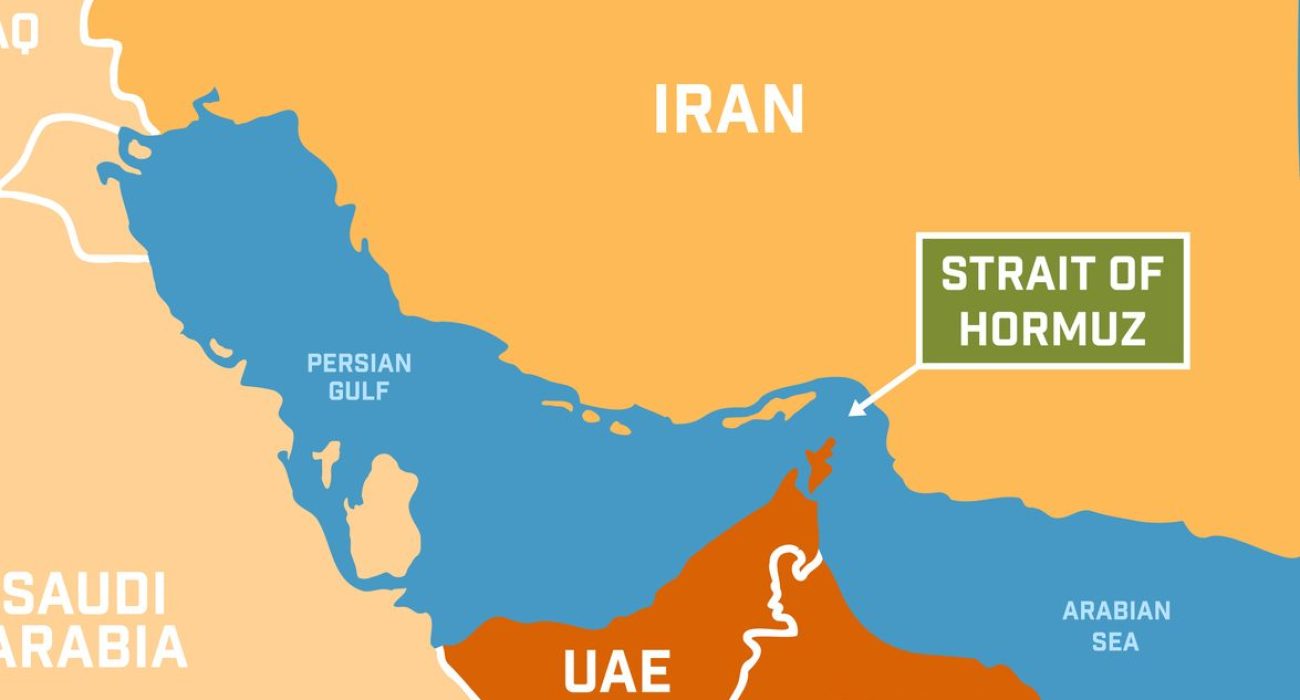
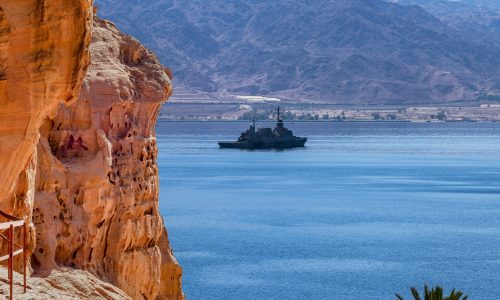
Tensions in the Strait of Hormuz are reshaping maritime security planning. As a result, European governments are backing a coordinated post conflict presence in one of the world’s most critical shipping routes.
At the same time, recent U.S. actions have reinforced the need to protect commercial traffic. The narrow waterway carries a large share of global oil and gas shipments, so any disruption has immediate global impact.
Strategic chokepoint under pressure
The Strait of Hormuz remains a key artery for energy trade. Therefore, even limited instability can quickly affect tanker markets, freight rates and supply chains.
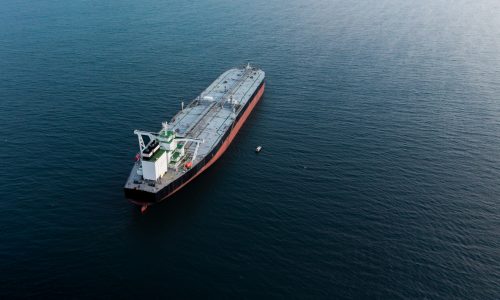
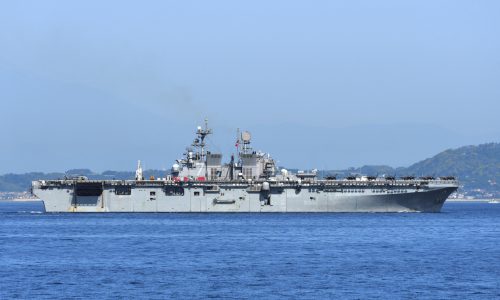
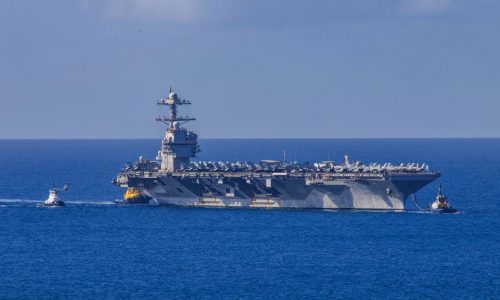
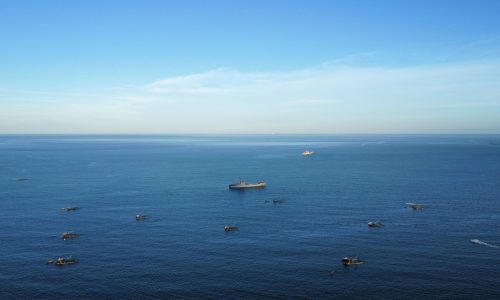
In recent days, U.S. military moves have highlighted the risks facing merchant vessels in the Gulf. Consequently, shipowners and operators are paying closer attention to voyage planning and security exposure.
Europe signals long term role
Meanwhile, European powers are preparing for a more active role in securing the region after the current tensions ease. In particular, discussions focus on ensuring safe navigation and preventing further disruption to shipping flows.
European officials stress the need for sustained cooperation. In other words, they aim to build a stable security framework that protects commercial vessels while reducing escalation risks.
Implications for shipping and energy markets
For the maritime sector, the situation creates both operational and financial pressure. For example, higher war risk premiums and insurance costs are already influencing decision making.
In addition, energy markets remain highly sensitive to developments in the region. Since the Strait handles a major share of global crude exports, any threat to transit can tighten supply expectations.
Industry focus on risk mitigation
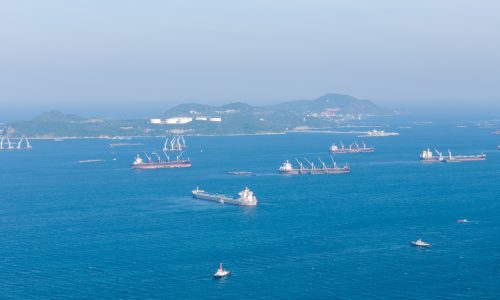
As a result, shipping companies are actively adjusting routes and monitoring naval activity. At the same time, coordinated patrols and increased military presence continue to support vessel safety.
Looking ahead, the evolving security environment will require constant adaptation. Ultimately, stability in the Strait of Hormuz remains essential for global trade and energy flows.