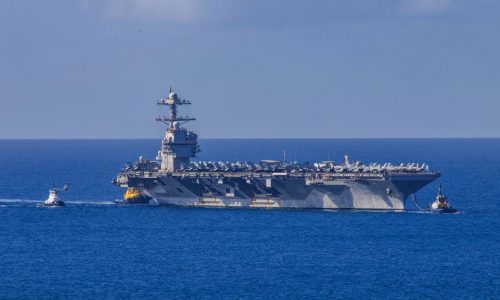
Freight rates for crude oil and liquefied natural gas carriers have climbed to record levels as the conflict between the United States and Iran intensifies and disrupts traffic through the Strait of Hormuz. Owners and charterers are reassessing exposure as security risks rise across one of the world’s most critical energy corridors.
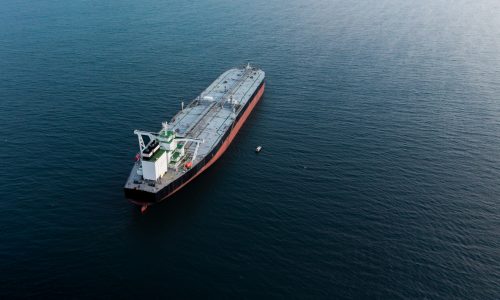
Daily earnings for very large crude carriers on the benchmark Middle East to China route have surged above 420 000 dollars per day, setting a historic peak. Rates have more than doubled within a week as vessel availability tightens and charterers compete for tonnage willing to load in the Gulf.
Hormuz Traffic Slows Sharply
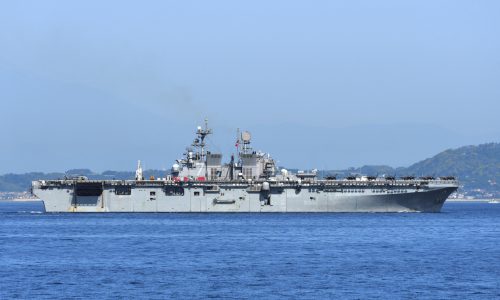
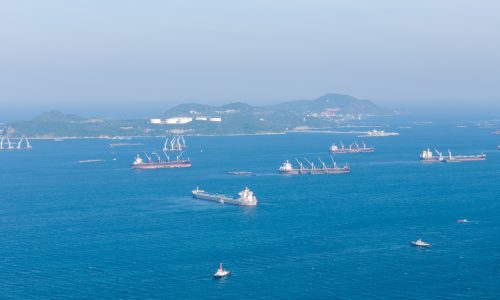
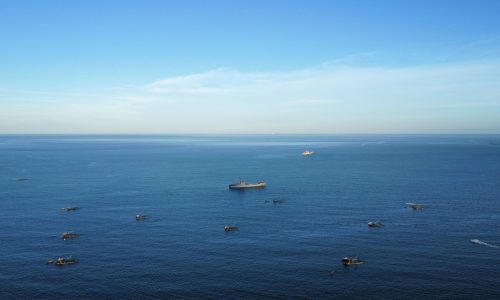
The Strait of Hormuz, which handles about one fifth of global seaborne oil flows, has seen transits fall dramatically. Shipowners have delayed sailings or ordered vessels to anchor outside the passage amid heightened military activity and reported attacks in the area.
The slowdown has sent shockwaves through global energy markets. Brent crude prices have strengthened on fears of prolonged supply disruption. At the same time, European natural gas prices have jumped by nearly 10 percent as traders factor in potential LNG shipment delays.
LNG Freight Rates Also Jump
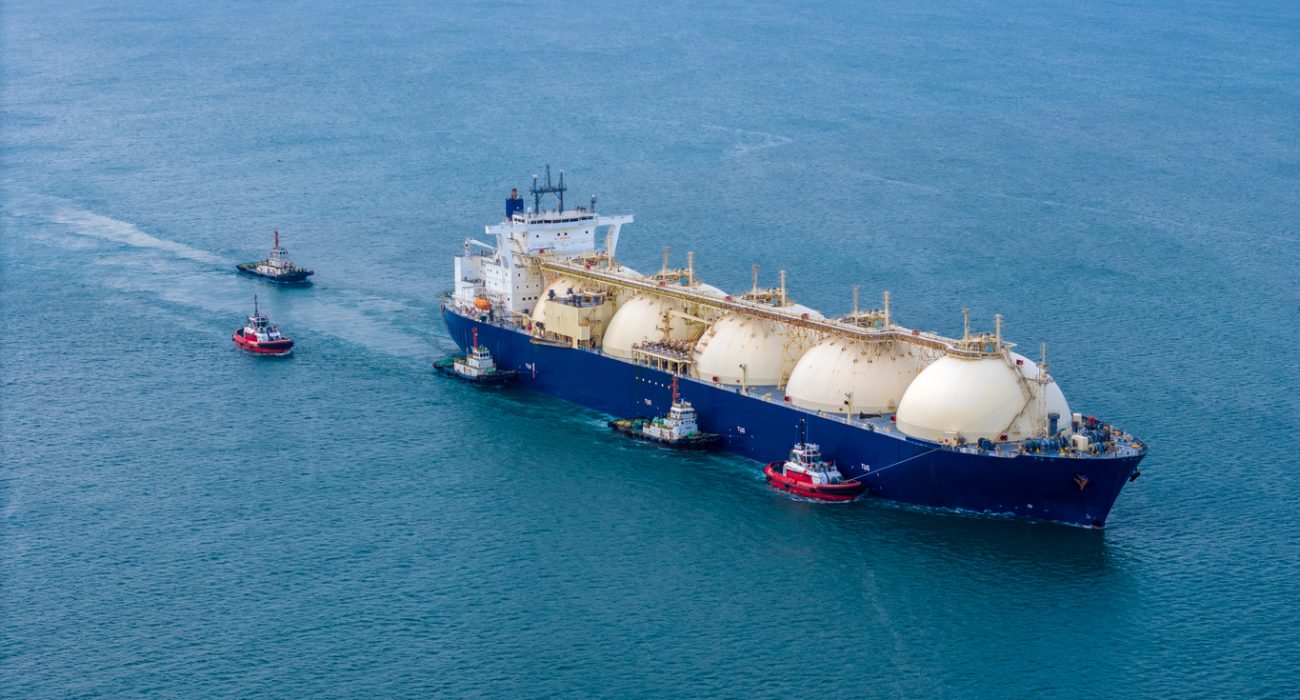
The impact extends beyond crude tankers. LNG shipping rates on Atlantic routes have risen by more than 40 percent, with Pacific basin routes also recording sharp gains. Market participants warn that LNG carrier earnings could exceed 100 000 dollars per day if congestion persists and cargoes are rerouted.
Qatar, a major LNG exporter, has reduced output in response to regional tensions, adding further pressure to vessel demand and freight levels.
Market Faces Sustained Volatility
The surge in oil shipping costs and LNG freight rates reflects both physical disruption and mounting war risk premiums. Charterers are factoring in higher insurance costs and possible voyage deviations.
Unless security conditions improve, tanker markets and LNG shipping segments may continue to experience extreme volatility. For shipowners, energy traders, and insurers, the Strait of Hormuz remains the focal point of global maritime risk.