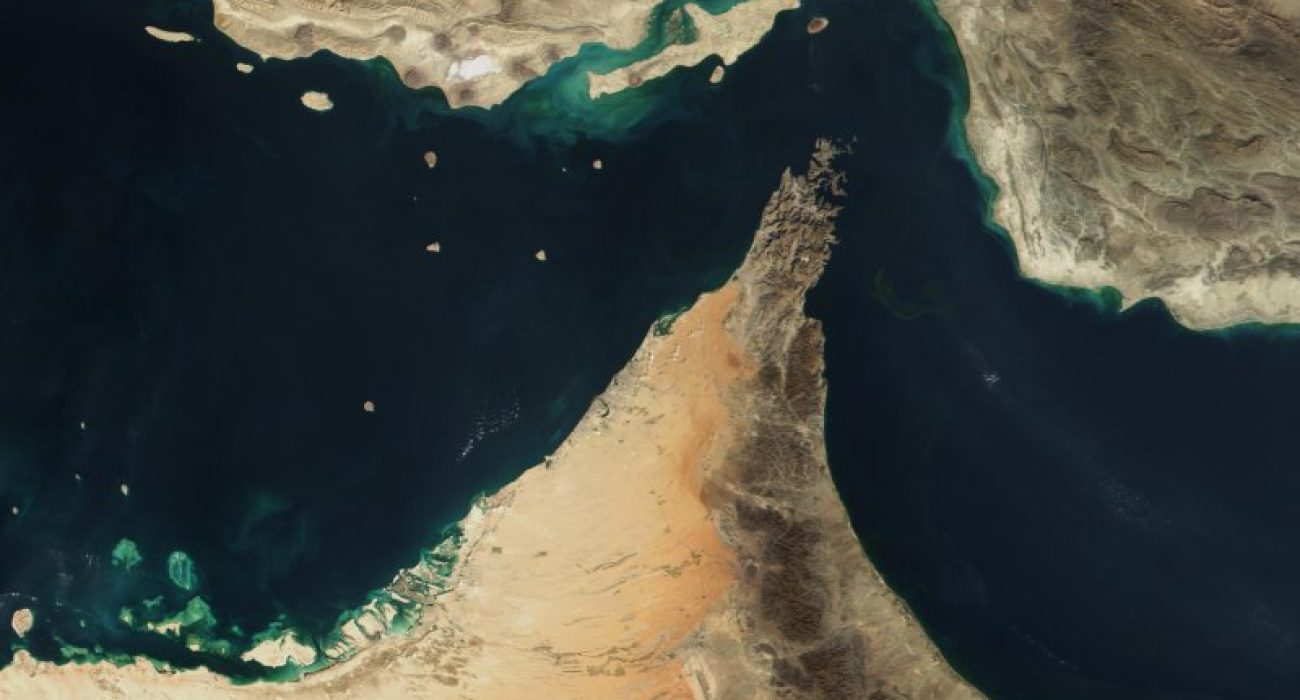
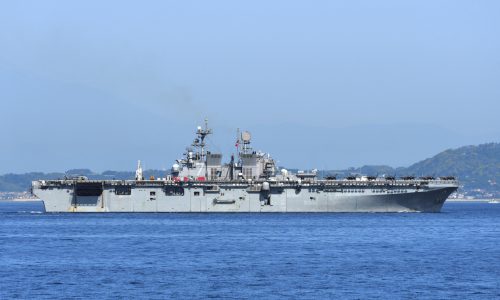
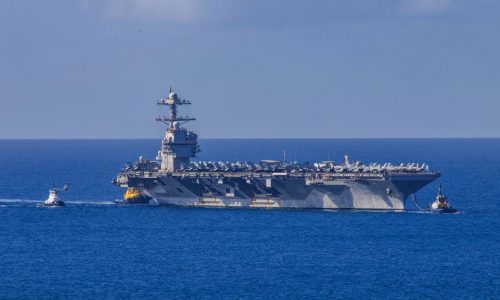
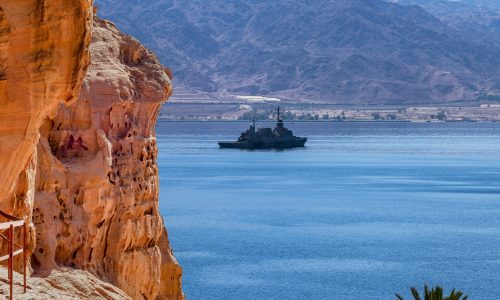
Tensions in the Strait of Hormuz escalated sharply on March 22 after U.S. President Donald Trump gave Iran a 48 hour deadline to restore full maritime access. He warned that failure to comply would trigger U.S. strikes on Iranian power infrastructure. Tehran responded by threatening retaliation against U.S. assets and critical Gulf energy and desalination facilities.
Shipping and energy markets react
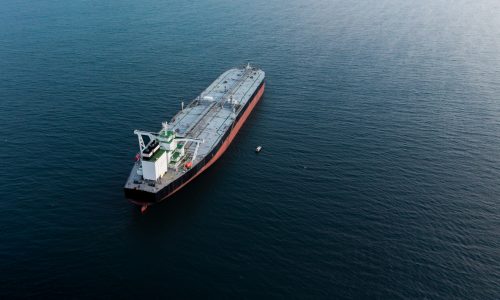
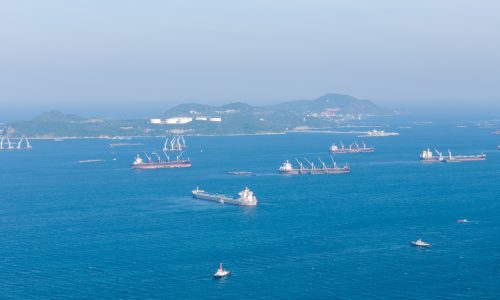
The standoff has sent shockwaves through global shipping and energy markets. Disruptions in the Strait of Hormuz have restricted normal vessel movements through one of the world’s most important maritime chokepoints. The waterway handles roughly 20 percent of global oil and liquefied natural gas trade.
Oil markets reacted immediately. Prices surged to their highest level in nearly four years, while European gas prices jumped by up to 35 percent over the past week. The situation marks the most severe supply shock since the 1970s.
Trump delivered his warning via social media, stating that U.S. forces would initially target Iran’s largest power facility if shipping routes were not secured. The message followed earlier remarks suggesting a possible de-escalation of the conflict, now entering its fourth week.
Regional infrastructure under threat
Iranian officials signaled a broad response. Senior leadership warned that any attack on domestic infrastructure would be met with strikes on regional energy networks. Military commanders also identified U.S. linked energy, technology, and desalination assets as potential targets.
This raises serious risks for Gulf states that depend heavily on desalination. Countries including Qatar, Bahrain, and Kuwait rely on coastal facilities for freshwater supply, leaving them exposed to potential disruption.
Controlled access still possible
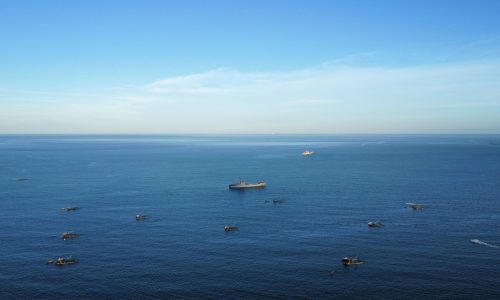
Despite the escalation, Iran maintains that the Strait of Hormuz is not fully closed. Authorities indicated that vessels not linked to hostile states may still transit under coordinated security arrangements. Recent ship tracking data shows that selected vessels have continued to pass through the corridor under these conditions.
Conflict widens across the region
The broader conflict continues to expand. Since late February, more than 2,000 people have been killed. Iran has also deployed long range missile capabilities, including strikes targeting a U.S. and U.K. base on Diego Garcia. At the same time, fighting linked to Hezbollah on the Lebanon front has added further pressure on regional stability.
The combined impact is increasing uncertainty for tanker operators, marine insurers, and global supply chains, with the Strait of Hormuz once again at the center of geopolitical risk.