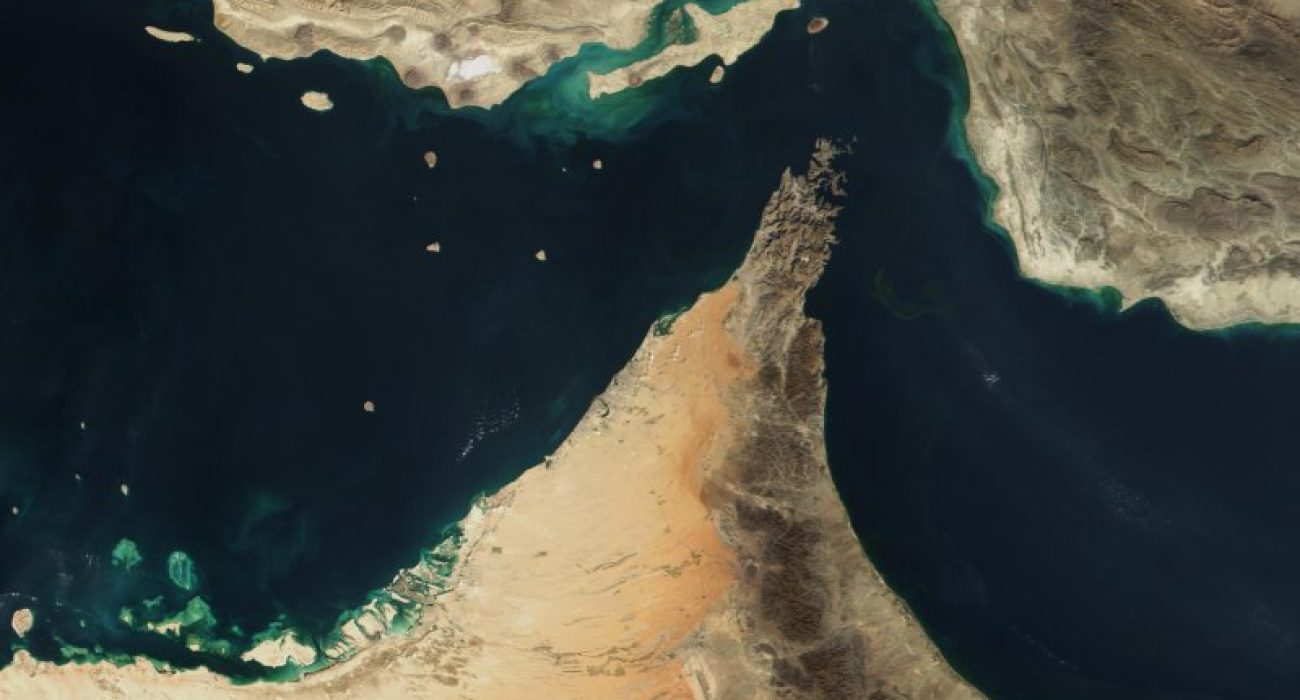
The United States is preparing a major maritime insurance program aimed at restoring commercial shipping through the Strait of Hormuz, one of the world’s most important energy shipping corridors. The proposal would provide up to 20 billion dollars in coverage to support vessels operating in the region as security risks escalate.
The initiative follows rising tensions in the Middle East that have forced shipowners and charterers to reconsider voyages through the narrow waterway. The Strait of Hormuz connects the Persian Gulf with global trade routes and handles a large share of the world’s oil and LNG shipments.
Insurance costs for vessels operating in the region have climbed sharply as security threats increased. In some cases, shipowners have struggled to obtain coverage for voyages through the area. The proposed program aims to restore confidence in maritime insurance markets and prevent further disruption to global energy trade.
Government Backstop Targets Shipping Insurance Gap
The plan would create a government backed insurance structure designed to support commercial shipping companies. Under the proposal, Washington would provide financial backing for war risk insurance covering vessels transiting the Strait of Hormuz.
Officials believe the program could help stabilize shipping operations if private insurers withdraw from the market due to escalating security concerns. Maritime insurance plays a critical role in global trade because vessels cannot sail without adequate coverage.
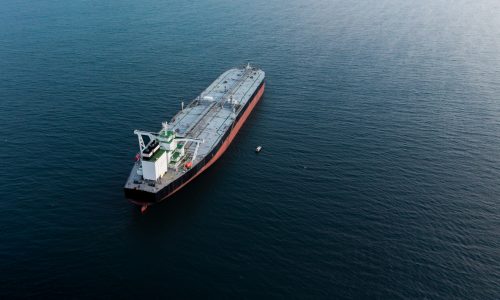
The proposed support would therefore help ensure that tankers, LNG carriers, and other merchant ships continue to move through the region.
Energy Supply and Shipping Markets at Risk
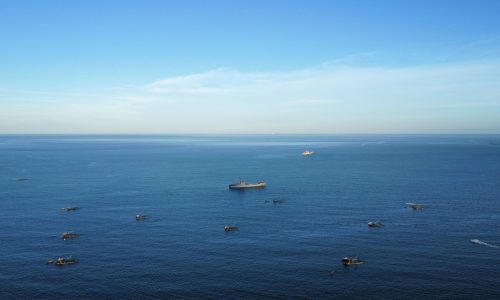
The Strait of Hormuz remains one of the most strategic maritime chokepoints in global shipping. A significant portion of the world’s oil exports and liquefied natural gas shipments passes through the narrow waterway each day.
Any disruption in traffic could quickly affect global energy supply chains and freight markets. Shipowners are already evaluating alternative routes, although many voyages cannot easily avoid the Gulf.
Industry analysts say the proposed insurance support could play an important role in maintaining tanker and LNG shipping activity if security risks continue to rise.
Shipping Industry Watches Policy Developments
Shipping companies, traders, and insurers are closely monitoring the proposal as geopolitical tensions shape maritime risk levels in the region.
If implemented, the program would represent one of the largest government backed maritime insurance efforts designed to protect global shipping flows. The measure aims to ensure that commercial vessels continue to transit the Strait of Hormuz and maintain stability in international energy trade.
For the maritime industry, the initiative highlights the growing importance of risk management tools that keep critical shipping lanes open during periods of geopolitical tension.