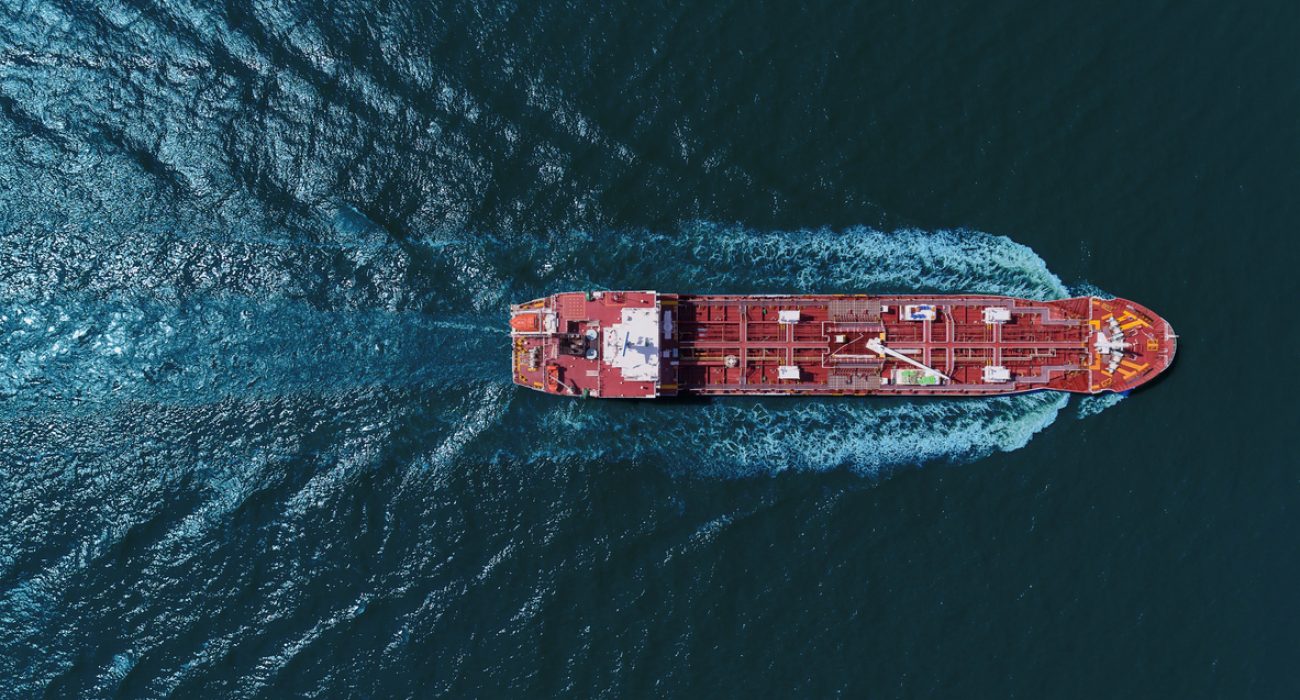
A tanker carrying refined fuel cargo originally destined for Cuba has changed course and is now heading to Trinidad and Tobago. The diversion highlights ongoing strain in Caribbean energy logistics and raises fresh questions over fuel supply reliability in Cuba.
Voyage Change Signals Supply Disruption
Shipping data shows the vessel adjusted its route while en route to Cuba. The tanker is now expected to discharge its cargo in Trinidad instead of completing its original delivery.
Such diversions are uncommon for committed fuel shipments. They often reflect last minute changes in commercial terms, payment challenges, or operational constraints. In this case, the rerouting points to continued instability in Cuba’s fuel import system.
Cuba Faces Ongoing Fuel Constraints
Cuba remains heavily dependent on imported refined products to meet domestic demand. However, the country has faced repeated supply interruptions in recent months. These disruptions have affected power generation, transport, and industrial activity.
The diversion of this cargo adds to pressure on an already fragile supply chain. It also underlines the difficulty Cuba faces in securing consistent tanker deliveries under current market conditions.
Regional Impact on Tanker Trade
The shift in destination benefits Trinidad and Tobago, which operates as a key energy hub in the Caribbean. The country has refining and storage capacity that allows it to absorb diverted cargoes and redistribute supply.
For the tanker market, such changes can tighten regional availability. When vessels alter discharge ports, it can disrupt scheduling and affect freight rates. This is especially relevant in smaller regional markets where vessel supply is limited.
Shipping Market Watches for Further Signals
Market participants are now watching for similar movements in the Caribbean tanker trade. Any increase in diversions could signal broader instability in fuel flows across the region.
For shipowners and charterers, the situation highlights the importance of flexibility in voyage planning. It also reinforces the link between geopolitical risk, payment reliability, and tanker deployment decisions.