Thailand Advances Salvage and Spill Response After Cargo Ship Sinks Near Phuket
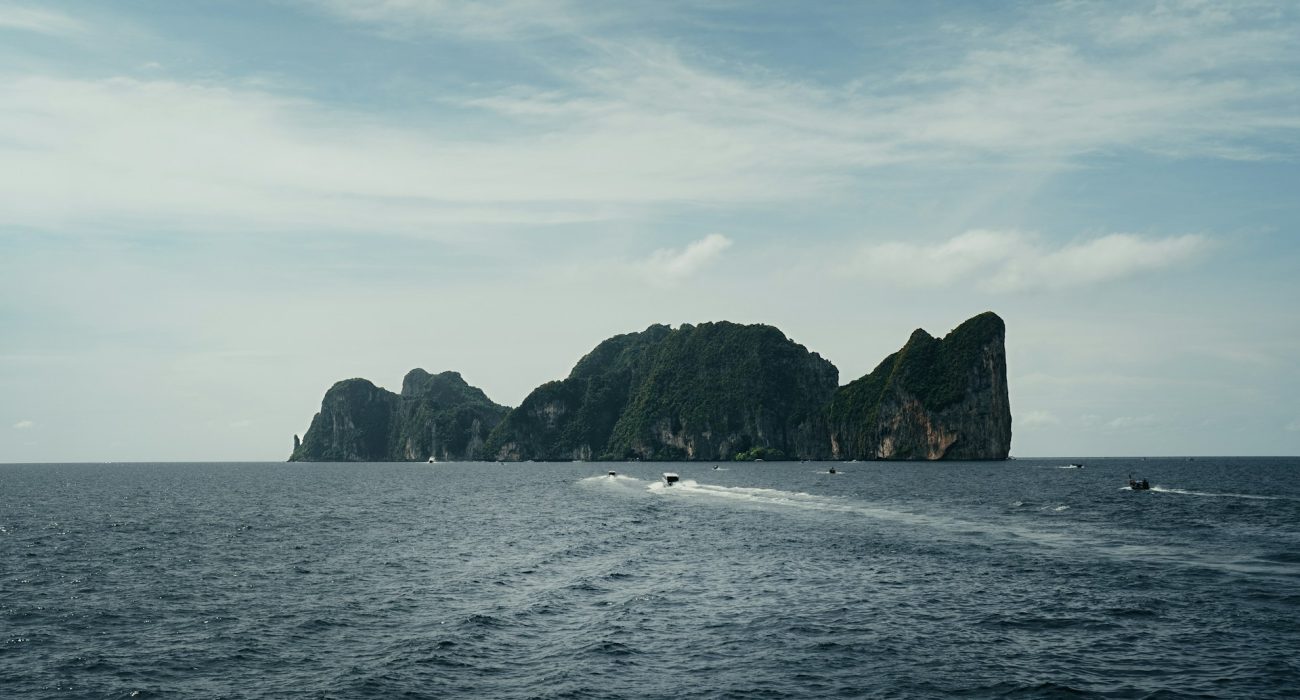
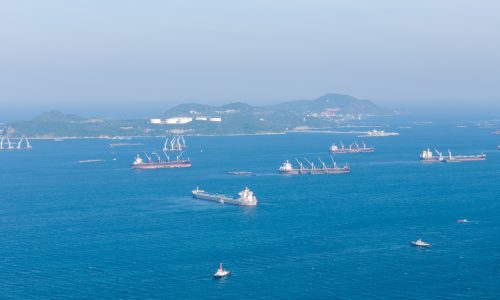
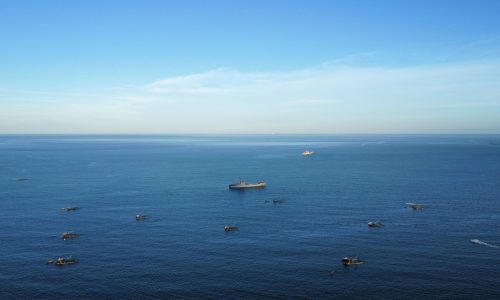
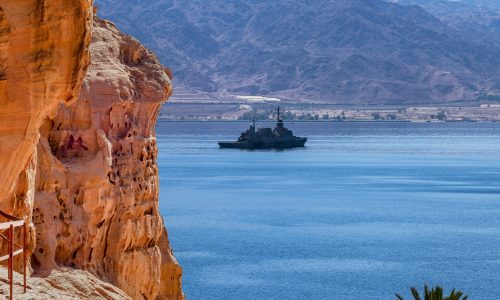
Representative image of coastal waters in southern Thailand near Phuket, where authorities are managing salvage and spill response operations. Photo: Unsplash.
Thai maritime authorities are moving forward with salvage and environmental protection efforts following the sinking of the cargo vessel Sealloyd Arc off the southern coast near Phuket. Officials established an incident command center to coordinate container recovery, wreck assessment and oil spill response after the ship went down on February 7, 2026.
The Panama flagged general cargo ship was transporting 297 containers when it sank in the Andaman Sea. Authorities report that 218 containers were stowed below deck and 79 were secured on deck. The manifest includes about 14 containers classified as hazardous cargo, adding urgency to recovery operations.
Wreck Location and Container Recovery
Survey teams used sonar equipment to locate the wreck roughly three nautical miles south of Laem Phromthep. The vessel rests on the seabed at an estimated depth of 61 meters. Divers confirmed the hull position and attached a buoy marker to identify the site for ongoing salvage work.
Search operations have identified around 10 containers on the seabed near the wreck. Additional floating containers have been grouped and secured at the surface. Recovery vessels are towing clusters of containers and preparing to transfer them to a crane equipped barge. Authorities continue aerial and surface patrols using drones and patrol craft to track drifting cargo.
Oil Spill Mitigation Measures
The sunken vessel carried approximately 98 tonnes of heavy fuel oil and 32 tonnes of marine diesel. Response teams deployed containment booms and began applying dispersants to manage the spill. Early assessments suggest diesel fuel may be escaping from the wreck, which is generally less persistent in the marine environment than heavy fuel oil.
Aerial monitoring shows the oil slick extending several miles and drifting southwest under prevailing wind and current conditions. Officials state that the spill has not reached coastal areas and predictive models indicate a low probability of shoreline impact, although marine ecosystems remain at risk.
Next Steps in Salvage Operations
Authorities have prioritized locating and sealing the source of the leak. Divers continue to inspect the wreck to identify the exact release point. Planned operations include attempts to plug the leak and evaluate options for removing remaining fuel from the vessel. Salvage planning is ongoing, with strong currents and water depth presenting operational challenges.