Three Tankers Damaged as Gulf Shipping Risk Surges Amid US Iran Conflict
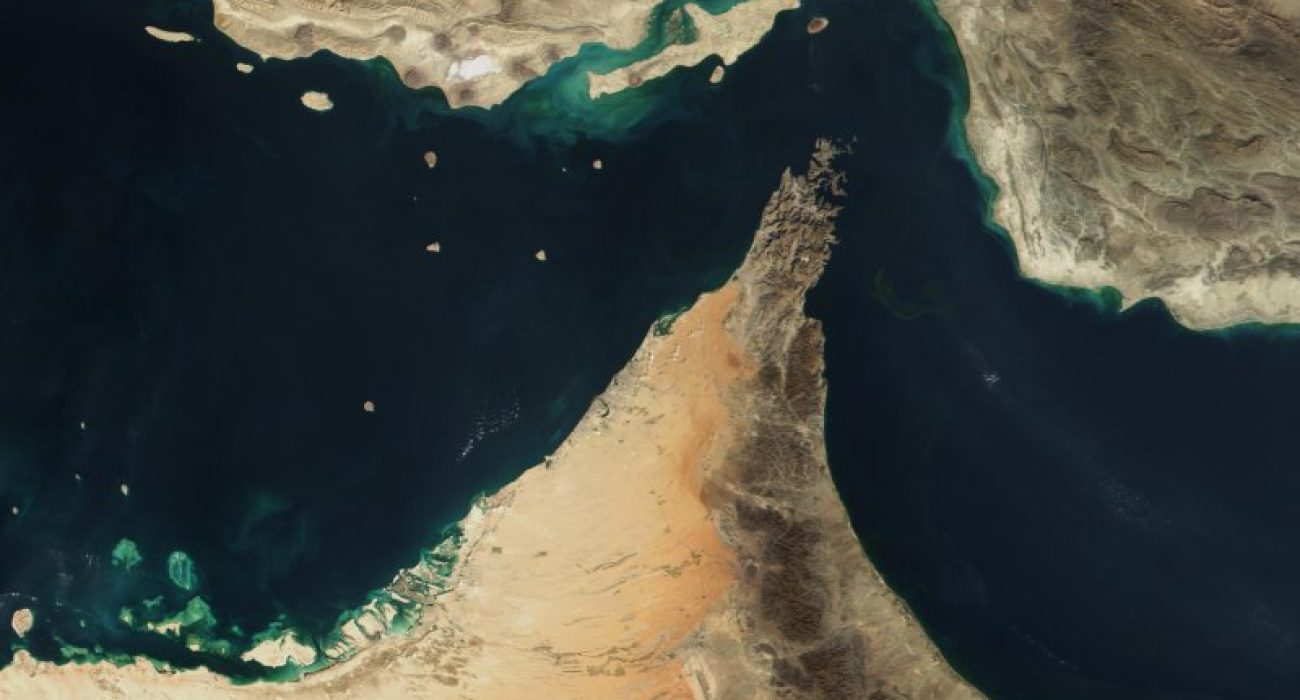
Satellite view of the Strait of Hormuz, the strategic Gulf chokepoint that handles a significant share of global oil and LNG tanker traffic. Credit: Jacques Descloitres, MODIS Land Rapid Response Team, NASA GSFC.
Attacks Hit Commercial Vessels Near Strait of Hormuz
Three commercial tankers suffered damage in Gulf waters on Sunday as tensions between the United States and Iran intensified.
The incidents occurred close to the Strait of Hormuz, one of the most critical oil and LNG shipping routes in the world. The waterway carries a large share of global seaborne crude exports. Any disruption immediately affects tanker markets and freight rates.
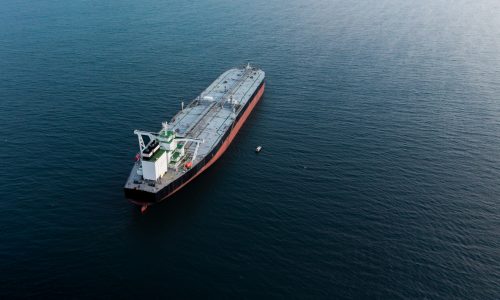
A Palau flagged tanker that is under US sanctions came under attack near the coast of Oman. The strike injured four crew members. Authorities evacuated them for medical treatment.
A second vessel, a Marshall Islands flagged crude carrier, sustained damage from what maritime sources described as a projectile while sailing off Oman. The crew remained on board.
A third tanker reported structural damage near waters of the United Arab Emirates. Falling debris linked to aerial intercept activity hit the vessel’s deck area.
Shipping Pauses as Security Risks Rise
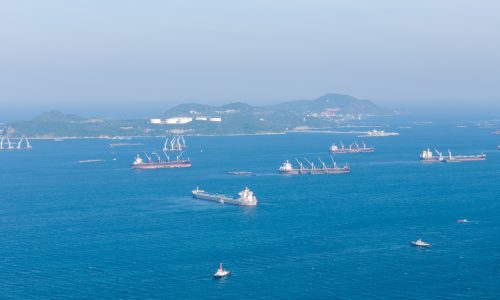
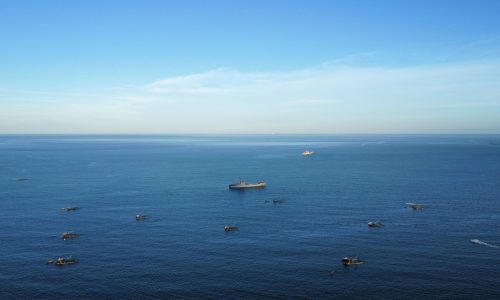
Shipowners reacted quickly. Vessel tracking data shows that more than 200 oil and gas carriers have anchored outside main transit lanes across the Gulf. Operators are reassessing voyage plans, crew safety procedures, and charter party exposure.
Market participants are also reviewing reports that Iranian authorities may have declared parts of the Strait of Hormuz closed to navigation. Commercial flows have not stopped, but uncertainty has increased sharply.
War Risk Premiums Set to Climb
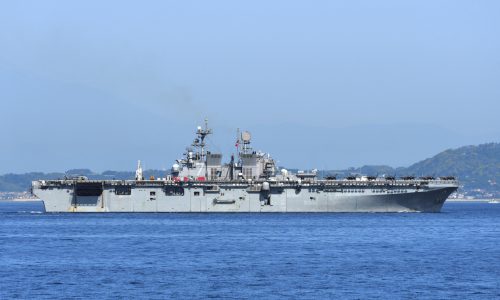
The United States Maritime Administration has advised US linked ships to keep distance from military assets and avoid high risk areas. The guidance reflects a rapidly deteriorating maritime security environment.
Insurance markets are preparing to respond. Brokers expect underwriters to raise war risk premiums for hull and machinery cover as conflict exposure grows.
For the global tanker sector, the stakes are high. Sustained disruption in Gulf shipping would tighten vessel supply, drive freight volatility, and increase costs across energy supply chains.