Nasdaq listed United Maritime Corporation is accelerating its shift back to core dry bulk shipping. The company has agreed to sell its entire stake in a Norwegian joint venture developing an Energy Construction Vessel. The move ends its exposure to the offshore support segment and releases fresh capital.
United entered the project in mid 2024 to gain access to offshore oil, gas and renewable infrastructure activity. As valuations improved, the company increased its participation and became the largest shareholder. Now, management has chosen to monetise that position.
The agreed sale price stands at about EUR 13.0 million. The transaction will generate an estimated profit of roughly EUR 1.7 million. Completion is expected by the end of May 2026, subject to standard closing conditions. After closing, United will hold no interest in the offshore venture.
Disposal of Older Kamsarmax
At the same time, the company is reshaping its dry bulk fleet. United has agreed to sell its 2009 built Kamsarmax, MV Cretansea, to an unaffiliated buyer for USD 14.7 million. Delivery should take place on or before 25 May 2026.
Following debt repayment, United expects to retain around USD 6.0 million in net proceeds. As a result, the company strengthens liquidity while removing older tonnage from its fleet profile.
Capesize Charter With Purchase Obligation
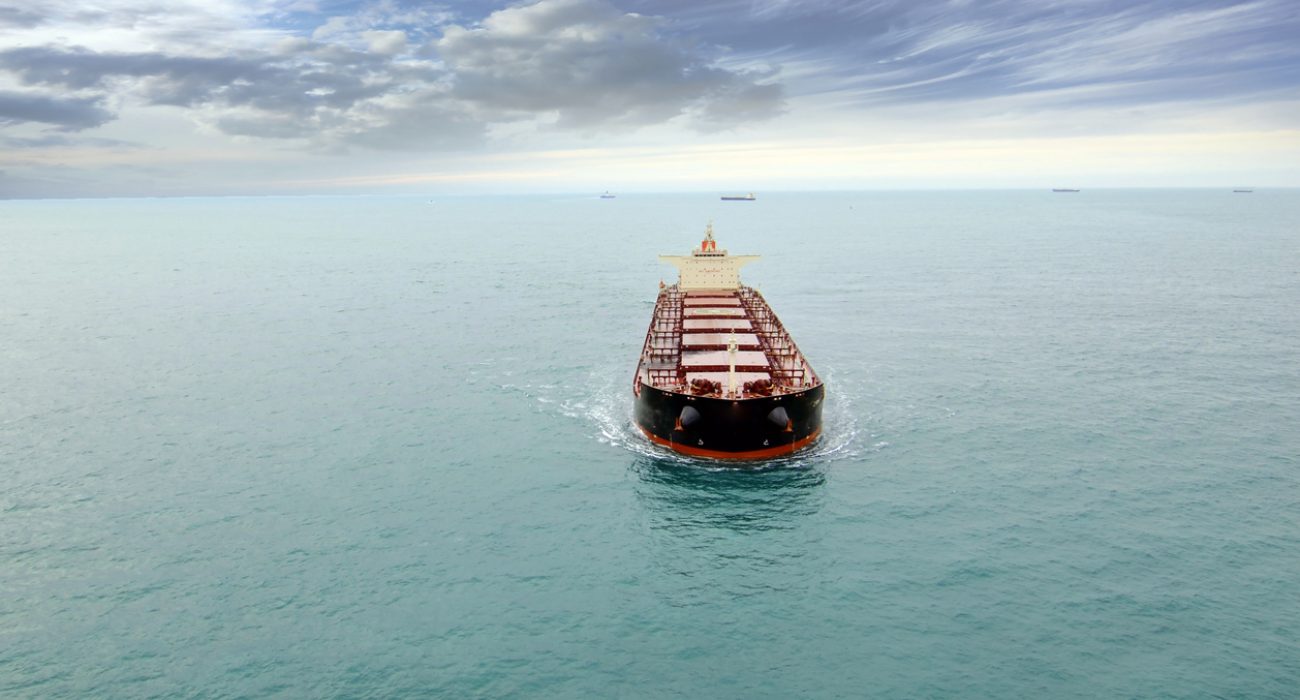
In parallel, United secured an 18 month bareboat charter for the 2010 built Japanese Capesize MV Dukeship, with a capacity of 181,453 dwt. The counterparty is Seanergy Maritime Holdings Corp., a related party focused on the Capesize segment.
United paid a USD 5.5 million down payment. During the charter period, it will earn USD 9,450 per day. The agreement also includes a purchase obligation of USD 22.1 million at the end of the term. Therefore, the structure gives the company immediate scale in the Capesize market with a defined acquisition path.
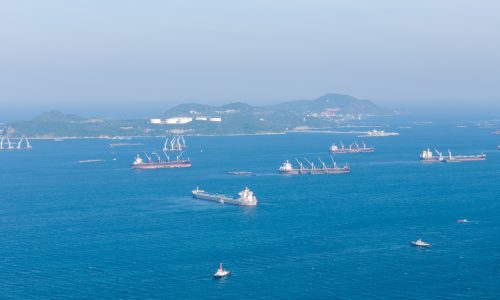
Once the Cretansea sale closes, United’s operating fleet will consist of five dry bulk vessels with total capacity of about 496,242 dwt. Overall, the combined transactions enhance liquidity, improve fleet quality and sharpen the company’s focus on the Capesize dry bulk sector.