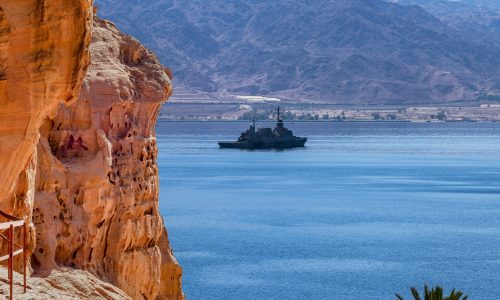
The United States is urging major maritime nations to help secure the Strait of Hormuz as tensions with Iran disrupt one of the world’s most important shipping routes.
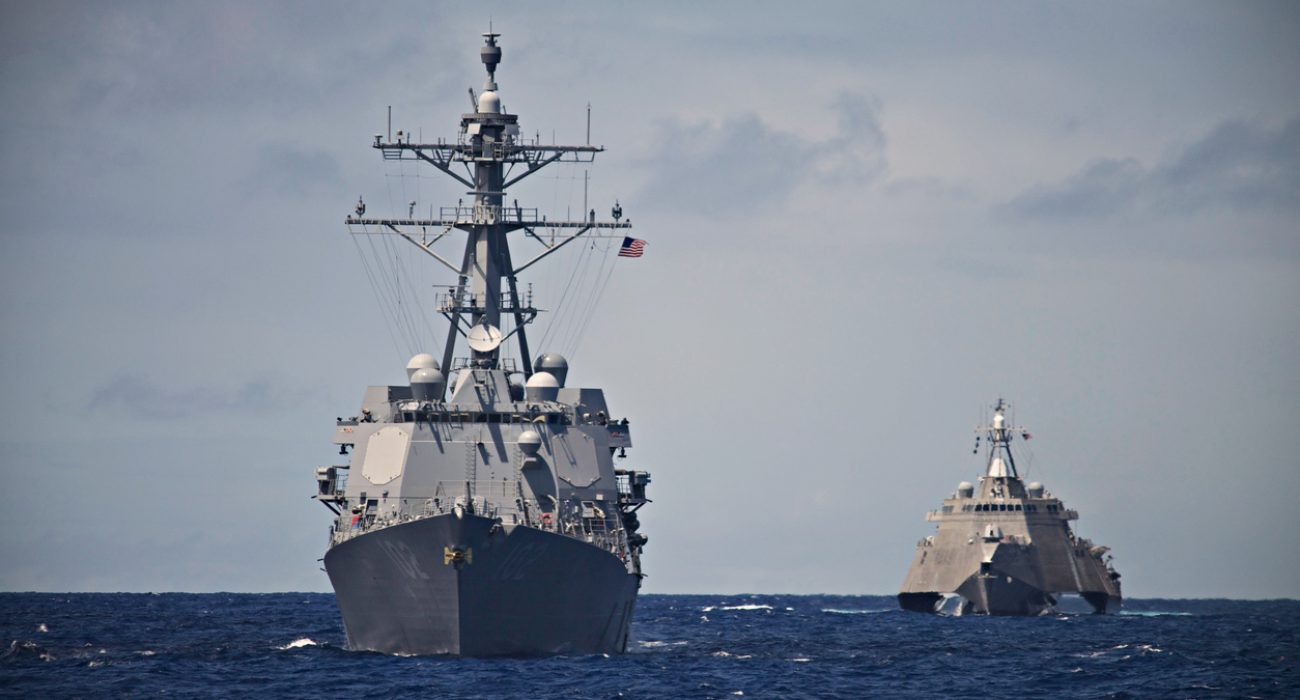
President Donald Trump said allied countries should consider deploying naval vessels to safeguard commercial traffic moving through the strategic waterway. The call reflects growing concern over the safety of global tanker operations in the Persian Gulf.
The Strait of Hormuz handles roughly a quarter of global seaborne oil shipments. As a result, instability in the region quickly affects energy markets, tanker freight rates, and global supply chains.
Tanker Traffic Faces Rising Security Risks
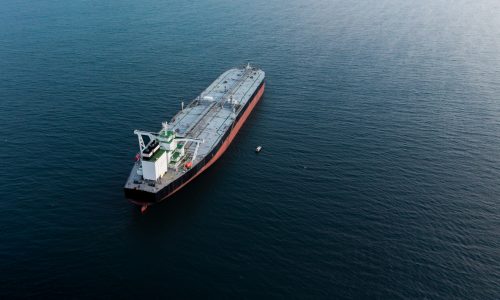
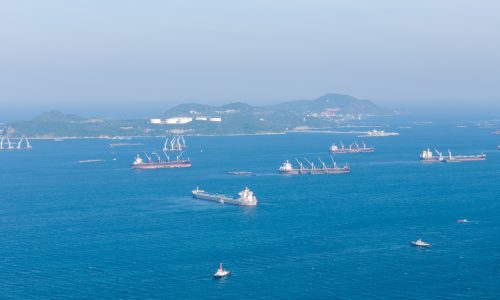
Shipping activity through the strait has slowed in recent weeks. Shipowners and charterers are becoming more cautious as security threats increase.
Industry security warnings highlight several dangers to commercial vessels. These include missile attacks, drones, naval mines, and GPS interference.
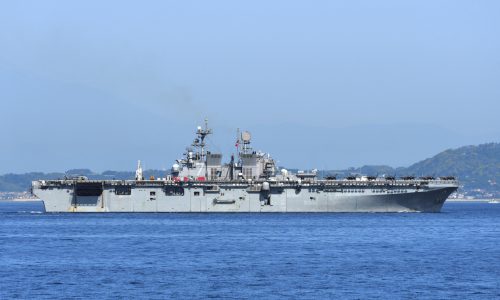
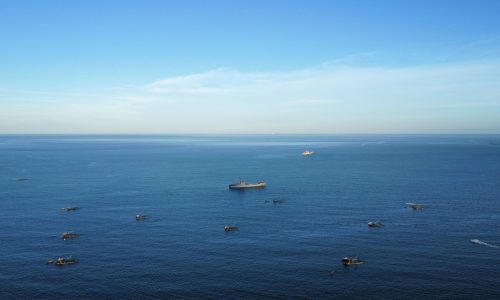
As a result, some operators are delaying voyages or avoiding the region altogether. Tanker traffic through the corridor has therefore dropped sharply despite the presence of military forces already operating in the Gulf.
At the same time, insurers and maritime security analysts continue to monitor developments closely.
Washington Seeks Broader Naval Participation
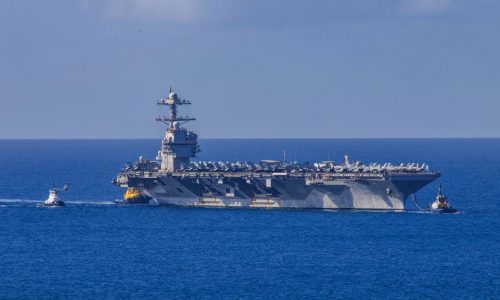
The U.S. administration argues that protecting the vital shipping lane should not fall solely on American naval forces. Instead, Washington believes countries that rely heavily on Gulf energy shipments should share responsibility for maritime security.
Trump specifically mentioned China, France, Japan, South Korea, and the United Kingdom as potential partners in securing the strait.
According to U.S. officials, a coordinated multinational naval presence could help restore confidence among shipowners and energy markets.
Meanwhile, Washington has also indicated it will continue military operations against Iranian targets if necessary to maintain freedom of navigation in the region.
Global Shipping Industry Watching Closely
The situation in the Strait of Hormuz remains a central concern for the maritime industry. The narrow waterway is a critical link between Gulf energy exporters and global markets.
Therefore, any prolonged disruption could have wide ranging consequences for tanker supply, freight markets, and oil prices.
For shipowners and charterers, the key question is whether increased naval protection will restore confidence in this crucial shipping corridor.
Until security conditions improve, many operators are likely to remain cautious when planning voyages through the Gulf.