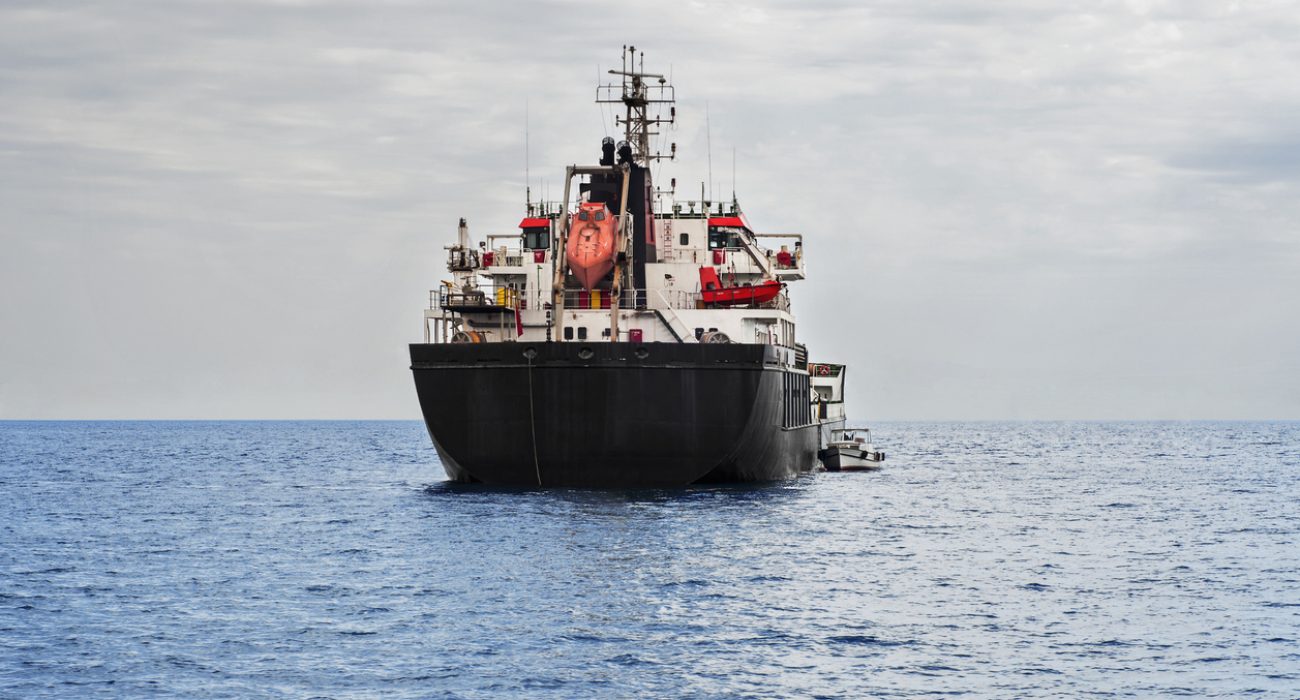
The cost of shipping crude oil from the United States to Asia has surged to an unprecedented level as tanker freight markets tighten sharply.
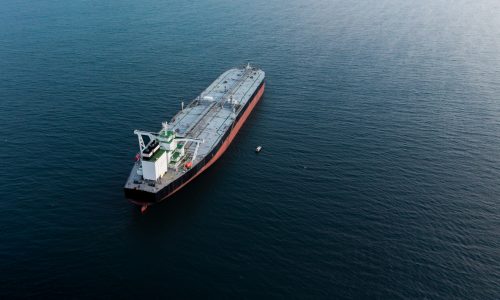
According to data from the Baltic Exchange, chartering a Very Large Crude Carrier to transport two million barrels of crude from the U.S. Gulf Coast to China now costs just over 29 million dollars. The figure marks the highest recorded freight cost for the route and is roughly double the level seen only two weeks earlier.
The sudden rise highlights how quickly tanker markets can tighten when geopolitical risks disrupt established oil trade routes.
Freight Costs Take Larger Share of Oil Price
At current levels, freight alone now equals about 14.50 dollars per barrel. That represents close to twenty percent of the price of West Texas Intermediate crude, which recently traded near 75 dollars per barrel.
Such elevated transport costs can significantly alter the economics of long distance crude shipments between the Atlantic Basin and Asia.
Oil prices have also risen as geopolitical tensions escalate across the Middle East. Military actions involving the United States, Israel, and Iran have raised concerns about a wider regional conflict and triggered retaliatory attacks.
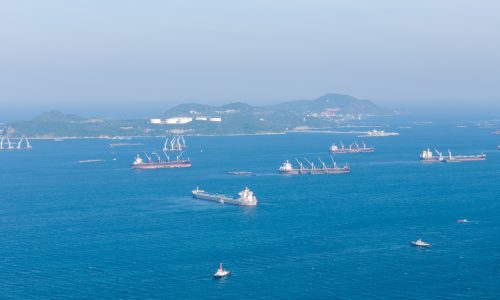
These developments have disrupted tanker traffic in the Strait of Hormuz, one of the most important maritime chokepoints for global energy shipments.
Asian Buyers Turn to U.S. Crude Supply
Uncertainty surrounding exports from the Persian Gulf has pushed Asian refiners to look more closely at crude supplies from the United States.
As demand shifts toward Atlantic Basin cargoes, premiums for several U.S. crude grades have strengthened. Mars Blend crude from the U.S. Gulf Coast recently traded at its highest premium to West Texas Intermediate since 2020, according to market data from General Index.
The trend shows how disruptions in Middle East supply chains can quickly reshape global crude trade flows and tanker demand.
Freight Volatility Begins to Affect Charter Deals
The rapid escalation in tanker freight rates is already affecting deal activity.
Several U.S. Gulf Coast crude shipments that were under discussion in the market have reportedly collapsed as freight costs surged. Market participants say some bookings circulating earlier in the week unraveled within a single day.
In one case, Thai refiner PTT had tentatively secured a tanker for about 29 million dollars to move crude from the United States to Asia. The charter later fell apart as freight rates moved even higher.
Market participants note that such cancellations are common when tanker earnings shift rapidly in volatile markets.