Senior trade officials from the United States and China will hold talks in mid March as both governments prepare for a summit between President Donald Trump and President Xi Jinping later this month.
According to a Bloomberg News report, U.S. Treasury Secretary Scott Bessent and Chinese Vice Premier He Lifeng are expected to meet in Paris around March 14 and 15. The discussions aim to resolve key commercial issues before the leaders meet in person.
Focus on Bilateral Trade Issues
The preparatory talks are set to address several major trade matters between the world’s two largest economies. Among the topics under consideration are potential Chinese purchases of Boeing aircraft and expanded imports of U.S. soybeans.
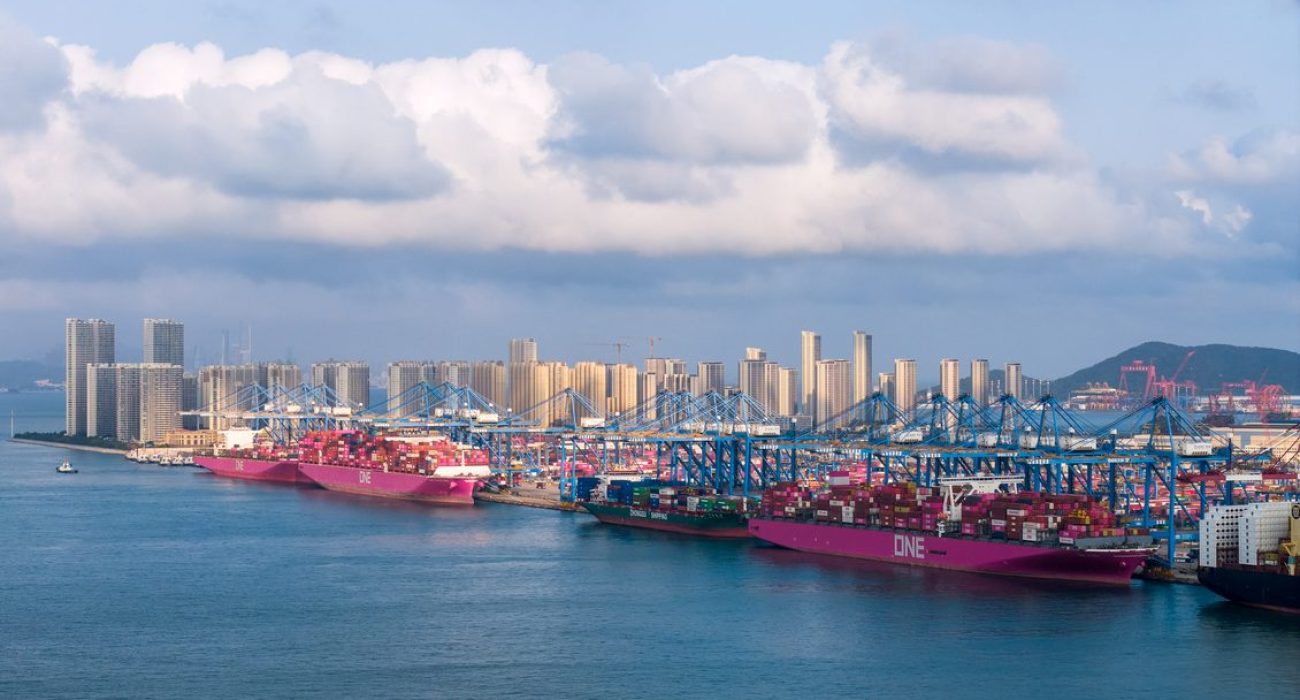
Officials are also expected to examine broader trade concerns, including tariffs and market access. These issues have shaped cargo flows, vessel deployment, and freight demand across the trans Pacific and Asia Europe shipping corridors in recent years.
Summit Planning Continues Despite Tensions
The planned meeting between Trump and Xi is scheduled for March 31 to April 2. Preparations are moving forward even as geopolitical tensions remain elevated.
Recent U.S. military action in the Middle East has added complexity to the diplomatic landscape. China has criticized the escalation, warning of risks to global stability. However, both sides appear committed to maintaining economic dialogue.
Implications for Global Shipping and Supply Chains
For the maritime sector, U.S. China trade negotiations carry direct consequences. Tariff changes influence container volumes, dry bulk shipments, and port throughput. Policy clarity can support forward bookings and stabilize ocean freight rates.
Moreover, any agreement that reduces trade friction would help restore predictability to global supply chains. Carriers, charterers, and logistics providers are closely monitoring the outcome of the mid March discussions.
If negotiators achieve progress, it could ease uncertainty across key shipping lanes and reinforce confidence in trans Pacific and Asia Europe trade flows. Conversely, unresolved disputes may prolong volatility in freight markets and investment planning.