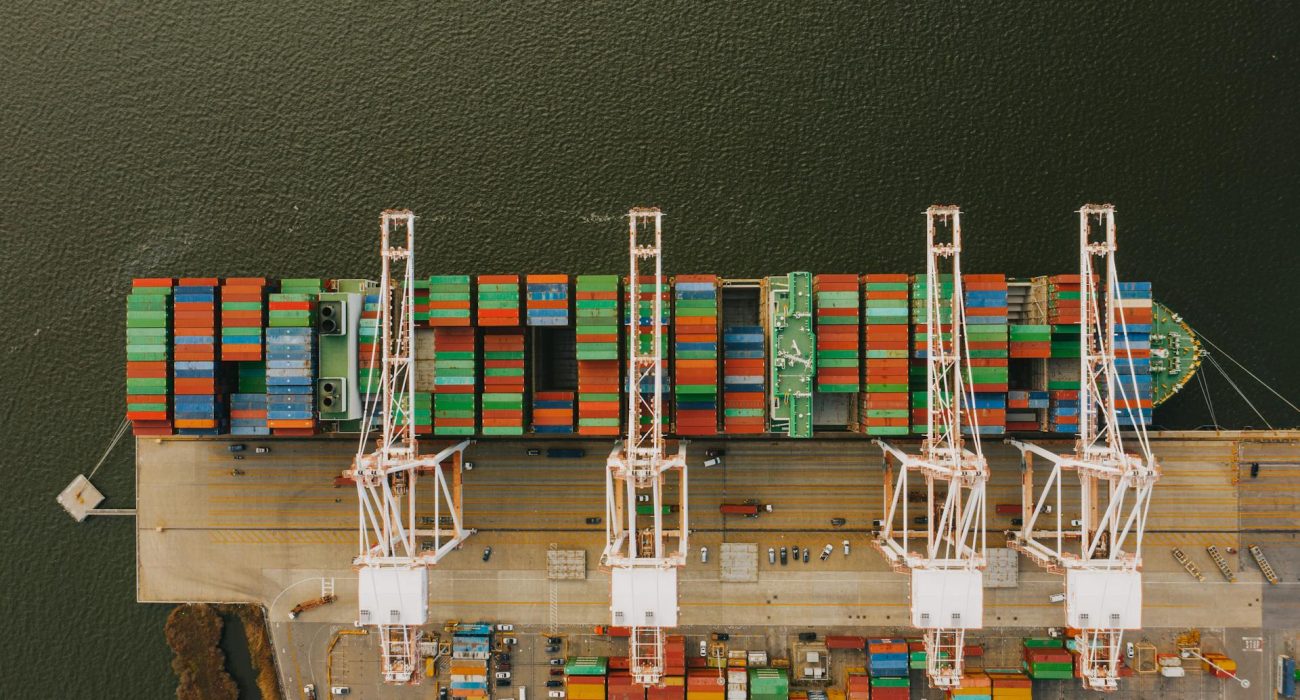
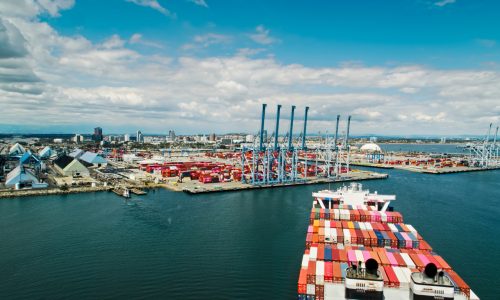
The U.S. container import decline reshaped trade flows through 2025 as inbound cargo volumes weakened across major ports. The slowdown aligned with the narrowest U.S. trade deficit recorded since 2009.
Imports fell as retailers reduced replenishment and worked through elevated inventories. Meanwhile, outbound shipments remained comparatively stable, narrowing the gap between imports and exports.
However, the smaller trade deficit reflected weaker import demand rather than stronger export growth. Therefore, overall containerised cargo activity remained subdued.
U.S. Container Import Decline Across Major Ports
The U.S. container import decline was visible at both coastal and inland gateways. Lower inbound volumes reduced total import values across several cargo categories.
In addition, shipping lines adjusted capacity to match softer demand. Some services reduced sailing frequency, while others modified vessel deployment.
Meanwhile, export flows helped stabilise trade metrics. However, outbound volumes did not offset the scale of the import contraction.
Shipping Market and Port Effects
The U.S. container import decline reduced terminal throughput and cargo handling activity. Port operators adjusted labour allocation and berth utilisation as volumes eased.
In addition, freight rates softened on several long-haul trade lanes. Therefore, carriers focused on capacity discipline and cost control.
Market participants continued to monitor consumer demand indicators. Meanwhile, ports prepared for uneven volume patterns later in the year.
Trade and Economic Signals
The narrower trade deficit reflected slower goods consumption and broader economic cooling. High interest rates and weaker retail spending limited import demand.
However, trade officials cautioned that the tighter balance does not signal stronger trade performance. Therefore, container volumes remain a key indicator for future direction.