The U.S. government may consider easing restrictions on additional Russian oil volumes as officials assess options to stabilize global energy supply, Treasury Secretary Scott Bessent said on Thursday.
In an interview with Fox Business, Bessent said Washington is reviewing whether sanctions relief could be extended to more Russian crude shipments. Such a step could allow additional barrels to enter international markets at a time when supply risks remain elevated.
Washington Reviews Options on Russian Crude
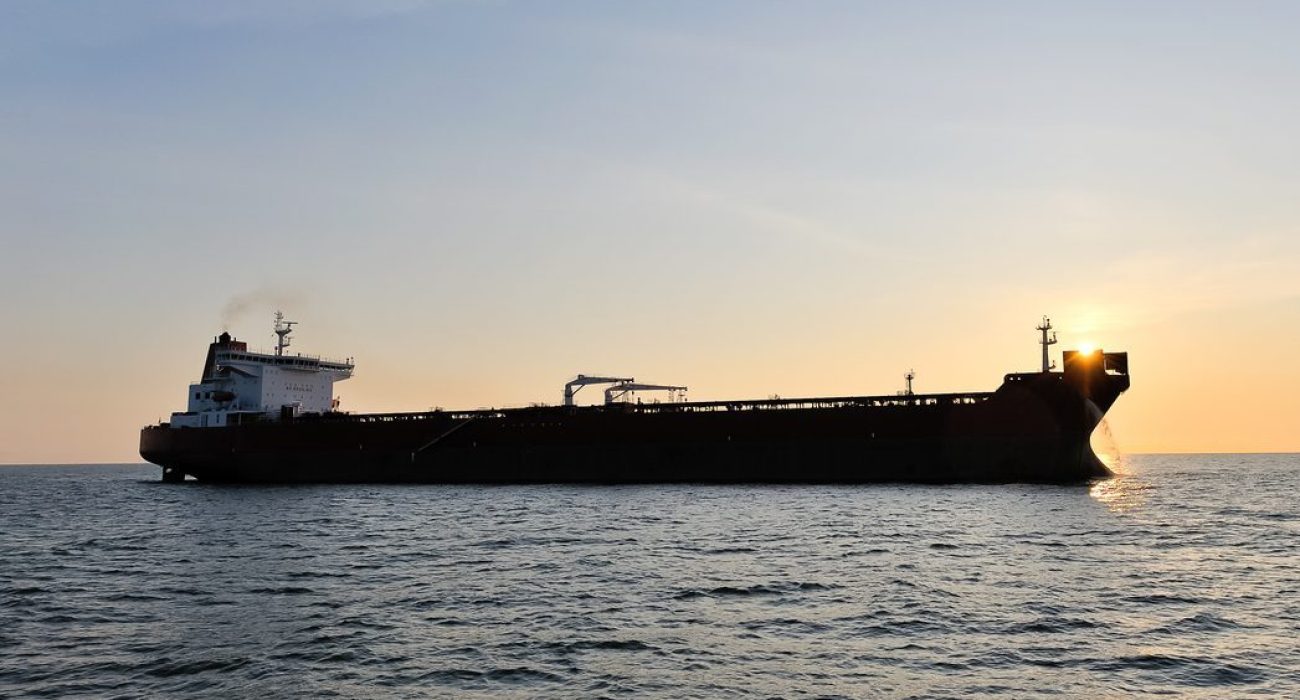
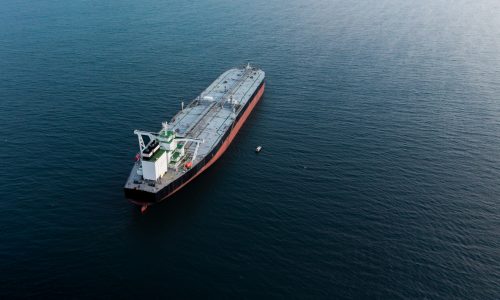
U.S. authorities recently issued a temporary license permitting certain Russian oil cargoes already loaded onto tankers to reach India. The authorization applies only to shipments that were loaded before March 5.
Bessent noted that the administration is evaluating whether broader measures may be needed. Large volumes of Russian crude remain caught in global supply chains because of existing sanctions.
Allowing some of those barrels to move to buyers could quickly increase available supply and ease pressure on oil prices.
Limited Waiver Applies to Cargoes Already Loaded
The waiver introduced by Washington is narrow in scope. It allows previously loaded shipments to complete delivery but does not remove sanctions on future Russian oil exports.
The measure provides traders and refiners with a short window to complete transactions that had been disrupted by sanctions restrictions.
India continues to be a major destination for Russian crude shipments. Access to those cargoes remains important for maintaining refinery supply and supporting stability in global oil markets.
Potential Impact on Oil Tanker Markets
Any decision to expand sanctions relief could influence global maritime shipping activity.
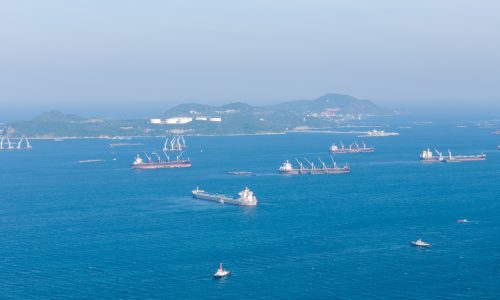
Russian crude cargoes delayed by sanctions could return to international trade routes. That would increase tanker movements between Russian export terminals and Asian refining hubs.
A broader policy shift could also reshape crude trade patterns and tanker deployment across major shipping corridors.
For tanker markets, releasing stranded cargoes into the system may translate into additional cargo demand and changes in freight flows.