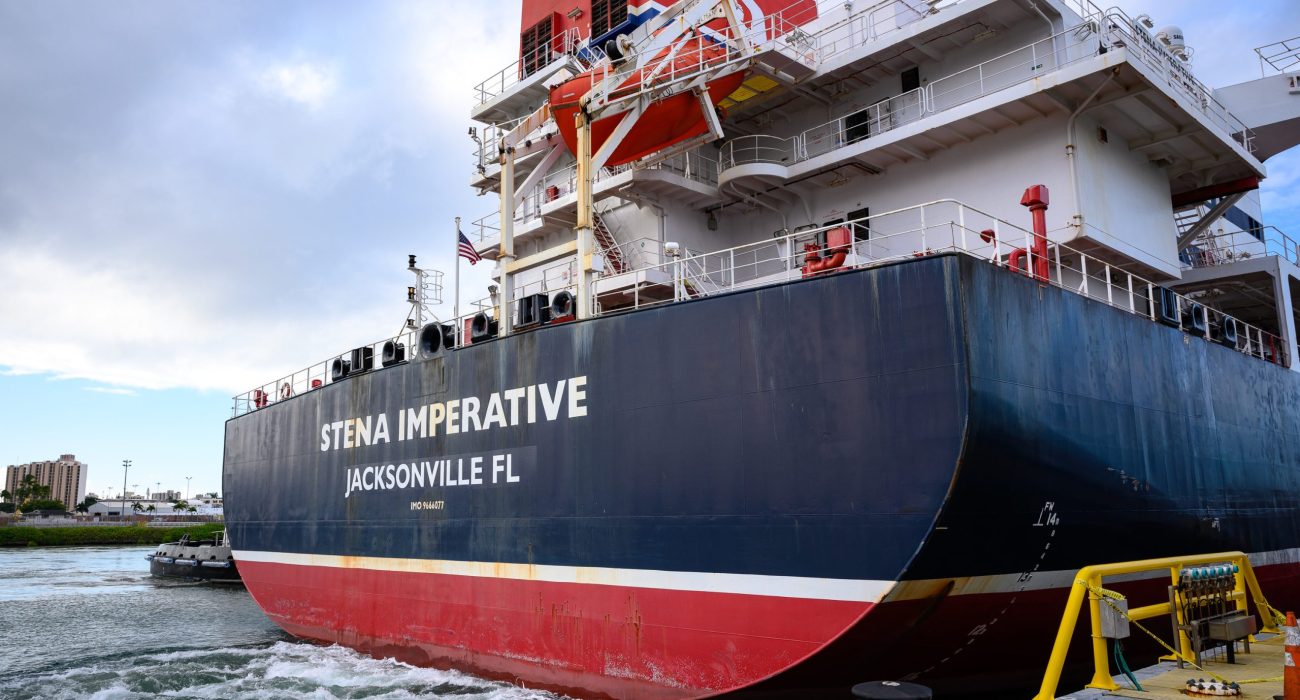
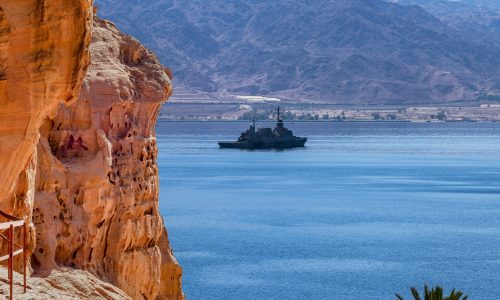
A U.S. flagged oil tanker was struck by missiles during a broader assault near Bahrain, ship management sources and regional officials said. The Stena tanker sustained damage but remained afloat, and the crew was reported safe after the incident in Gulf waters.
The attack occurred as part of a series of strikes on military and civilian targets in the region. Witnesses and maritime tracking services reported explosions near the tanker as several projectiles flew toward shipping lanes. Intelligence and naval sources are continuing to assess the damage and origin of the munitions involved.
Details of the Missile Strike
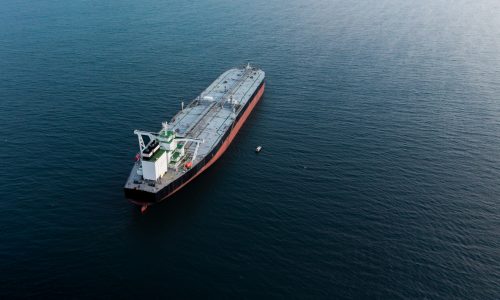
According to shipping industry sources, the tanker hit was a U.S. flagged Stena vessel loaded with crude oil. After the strike, the crew took protective measures and moved to secure sections of the ship. No casualties were reported, and maritime authorities confirmed the crew’s safety and the vessel’s stability.
Regional defense officials indicated that multiple air launched weapons were used in the attack. The barrage also targeted other infrastructure and sites in Bahrain at roughly the same time. Initial assessments suggest that the tanker was not the primary target but was hit amid the wider barrage.
The struck tanker began communicating with nearby maritime traffic control after the event. Port state control units and naval assets were dispatched to monitor the ship and assist if necessary. The vessel maintained propulsion and remained on station pending further instructions.
Impact on Shipping and Insurance
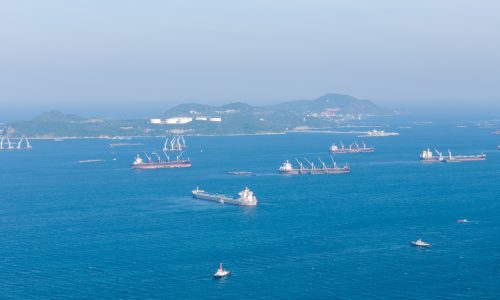
The strike on a U.S. flagged vessel has raised concerns among shipowners, underwriters, and charterers about the safety of commercial shipping in the Gulf. Freight markets reacted to the news as risk premiums climbed, particularly for tankers calling in Arabian Gulf waters. War risk surcharges have also increased across marine insurance policies for vessels operating in and around the region.
Ship operators and maritime security advisers are urging heightened vigilance and revised voyage planning. Some carriers are modifying routes to avoid high risk areas, while others await updated guidance from naval coalitions patrolling Gulf sea lanes.
Industry Response and Outlook
Industry associations have called for transparent incident reporting and clearer guidance on protective measures for commercial vessels. The incident adds to a series of security challenges that have affected Gulf trade and tanker movements. Unless regional tensions ease, maritime risk assessments are expected to remain elevated and continue influencing tanker schedules and charterer decisions.