Tanker supply dynamics are shifting after the U.S. authorized the release of Iranian crude held in floating storage, bringing previously restricted cargoes back into the market at a time of elevated shipping risk in the Gulf.
The change is expected to increase available vessel tonnage as ships tied up in storage return to active trade.
Storage Tankers Move Back Into Circulation
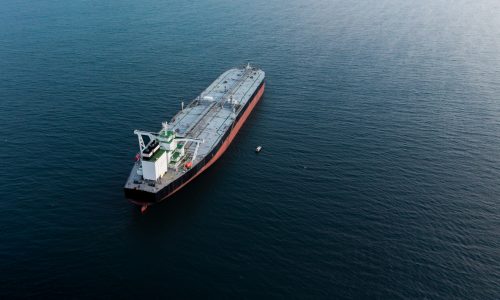
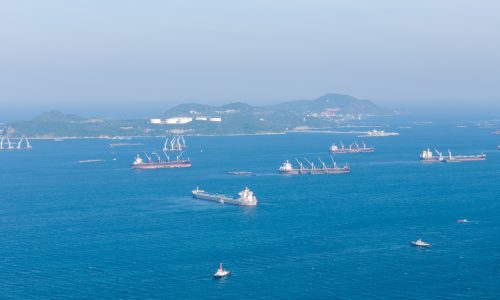
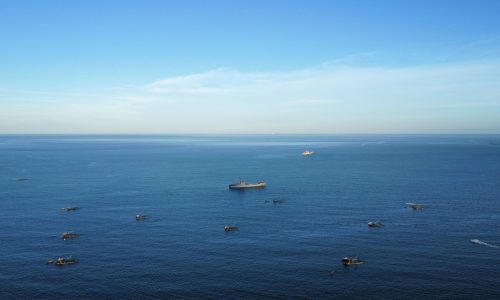
Iranian oil held offshore has effectively reduced tanker availability, with vessels remaining idle under sanctions constraints. The new authorization allows these cargoes to be discharged and delivered, freeing ships to re enter the trading fleet.
For charterers, this introduces additional tonnage into a market already adjusting to uncertainty around Gulf transits.
OFAC License Creates Time Limited Release Window
The U.S. Treasury’s Office of Foreign Assets Control has issued General License U to permit transactions linked to these cargoes.
The authorization applies only to Iranian oil already loaded on vessels as of March 20 and remains valid through April 19. This creates a defined window for floating storage volumes to enter the market.
The measure does not extend to new production or fresh export liftings, limiting its scope to existing offshore supply.
Policy Response to Gulf Shipping Risk
The authorization comes as conditions in the Strait of Hormuz continue to affect shipping operations. Higher risk has influenced vessel routing decisions and increased insurance costs.
Allowing oil already at sea to move into the market provides supply without requiring immediate additional transit through the chokepoint.
Freight Market Faces Mixed Signals
The release of these cargoes supports global oil flows, but the return of storage vessels to trading may influence freight levels.
Market participants are monitoring how quickly volumes are delivered and how many ships rejoin the active fleet before the April 19 deadline.
Sanctions Policy Drives Shipping Outcomes
For the maritime sector, the development highlights how regulatory decisions shape tanker utilization and trade patterns.
As uncertainty in the Gulf persists, shipowners and charterers must navigate a market influenced by both geopolitical risk and policy driven supply changes.