Liquefied natural gas shipments from the United States are increasing as tensions in the Strait of Hormuz raise concerns about global energy supply.
Export activity from the Plaquemines LNG terminal in Louisiana has accelerated in recent weeks. The expansion comes as gas traders and shipping markets monitor how instability in the Gulf region could disrupt LNG flows.
The Strait of Hormuz remains one of the most critical maritime corridors for energy trade. A significant share of global LNG cargo moves through the narrow passage linking the Persian Gulf with international markets.
Any disruption in this chokepoint would quickly affect LNG carrier routes, freight markets, and global gas supply chains.
Plaquemines LNG Terminal Expands Export Role
The Plaquemines LNG facility, operated by Venture Global, sits along the Mississippi River south of New Orleans. The terminal has quickly become an important loading point for LNG carriers serving international buyers.
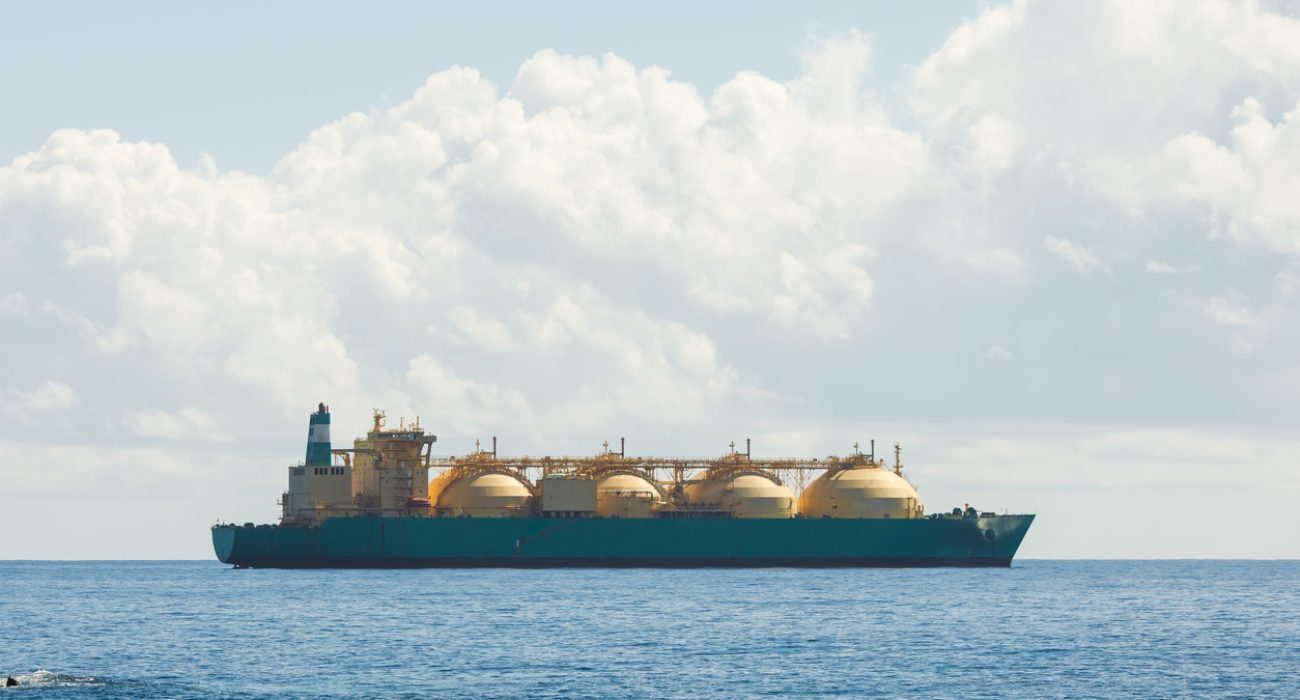
Recent vessel activity shows a steady stream of LNG carriers departing the facility. Cargoes are heading toward both European and Asian markets as buyers look for reliable supply sources.
For LNG shipping companies, additional cargoes from the United States help offset potential supply risks linked to tensions in the Middle East.
Hormuz Crisis Raises Risks for LNG Shipping
Several major LNG exporters rely heavily on the Strait of Hormuz to move cargo to global markets.
Qatar, one of the world’s largest LNG suppliers, sends nearly all of its exports through the waterway.
As security risks increase, energy traders and shipping companies are assessing how any disruption could affect LNG tanker movements.
A prolonged interruption in the strait would place significant pressure on global LNG supply.
U.S. LNG Strengthens Role in Global Gas Trade
Rising exports from the United States highlight the growing role of U.S. LNG in global energy markets.
Cargoes loaded at Gulf Coast terminals can reach Europe and Asia using established shipping routes that bypass the Persian Gulf.
This flexibility provides buyers with alternative supply during periods of geopolitical tension.
Shipping Markets Monitor LNG Cargo Flows
Shipowners and charterers are closely tracking LNG vessel movements.
Changes in export volumes from U.S. terminals could influence LNG tanker demand and freight rates.
If instability continues around the Strait of Hormuz, cargoes from terminals such as Plaquemines may play an increasingly important role in stabilizing global gas supply.