The International Chamber of Shipping has warned that a proposed US port fee regime under the new Maritime Action Plan could destabilise global trade flows and raise costs across the maritime supply chain.
The plan, introduced by the United States administration, aims to rebuild domestic shipbuilding capacity and reduce reliance on foreign built vessels. A central measure would impose fees on foreign built commercial ships calling at US ports. According to estimates referenced in the proposal, the mechanism could generate up to 1.5 trillion dollars over ten years, depending on the final structure.
Industry Backs Strategy but Rejects Blanket Port Fees
ICS said it supports efforts to strengthen US maritime infrastructure and shipyard capability. However, it strongly opposes broad port charges applied to foreign built ships engaged in international trade.
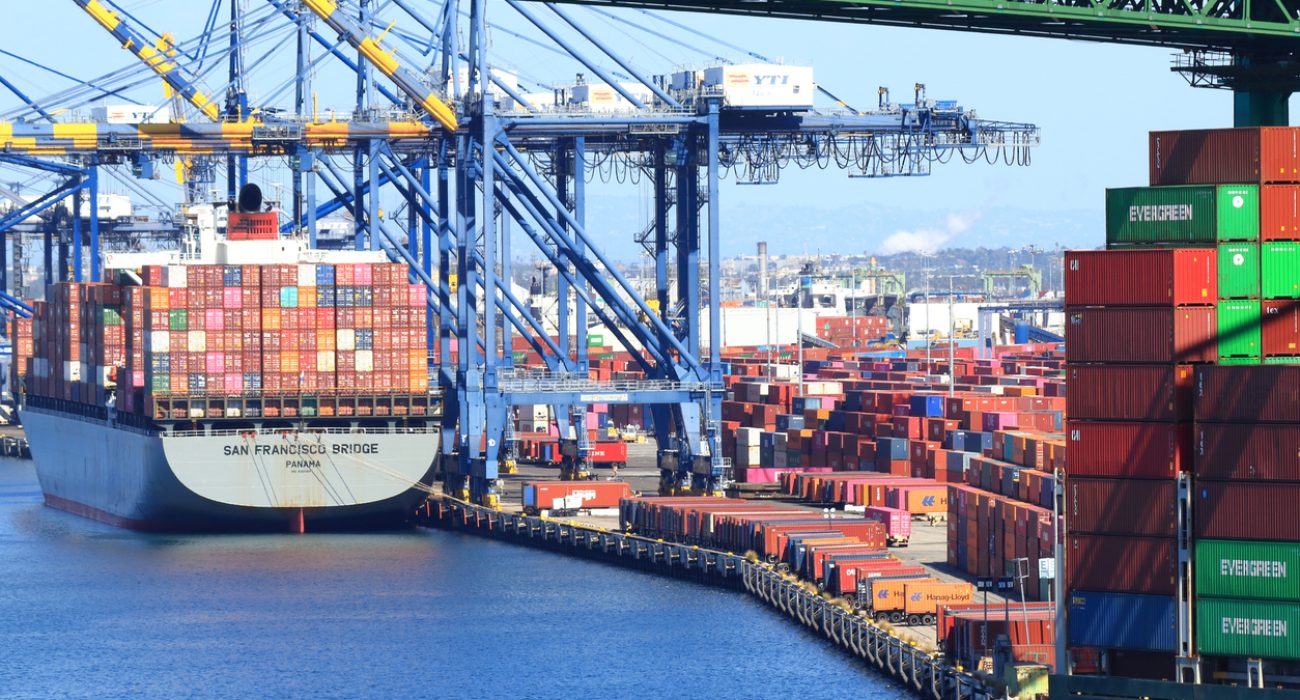
The organisation cautioned that such fees would function as a de facto levy on most of the global fleet. Fewer than one percent of commercial vessels are built in the United States. As a result, the vast majority of ships trading to US ports would face additional costs.
ICS warned that higher port expenses would likely feed directly into freight rates. That would increase costs for US importers, exporters and consumers. The body also raised concerns that shipowners could alter routing decisions to mitigate financial exposure, potentially disrupting established liner networks and bulk trade flows.
Risk of Market Distortion
Shipping executives argue that a universal fee structure could distort competition and trade patterns. If charges scale with cargo volumes or vessel size, operators may seek alternative port calls or adjust service frequency.
ICS stressed that policy measures designed to boost domestic shipbuilding must avoid unintended consequences for international commerce. The group called for close consultation with industry stakeholders before any implementation.
Strategic Funding Objective
The Maritime Action Plan links the proposed fees to funding mechanisms intended to support US shipyard investment, workforce development and maritime security initiatives. Supporters contend that the approach would strengthen national resilience.
The debate now moves to lawmakers and regulators who must weigh industrial policy objectives against the potential impact on global shipping markets.
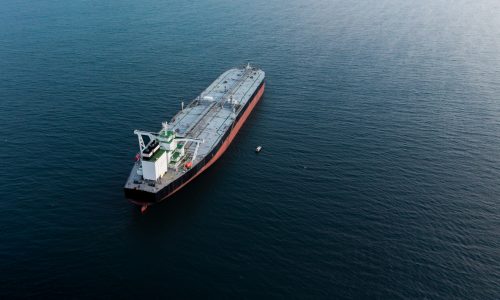
For shipowners and charterers, the proposal introduces significant uncertainty. Any structural increase in US port costs would reverberate across container, tanker and dry bulk segments that depend on stable and predictable trade conditions.