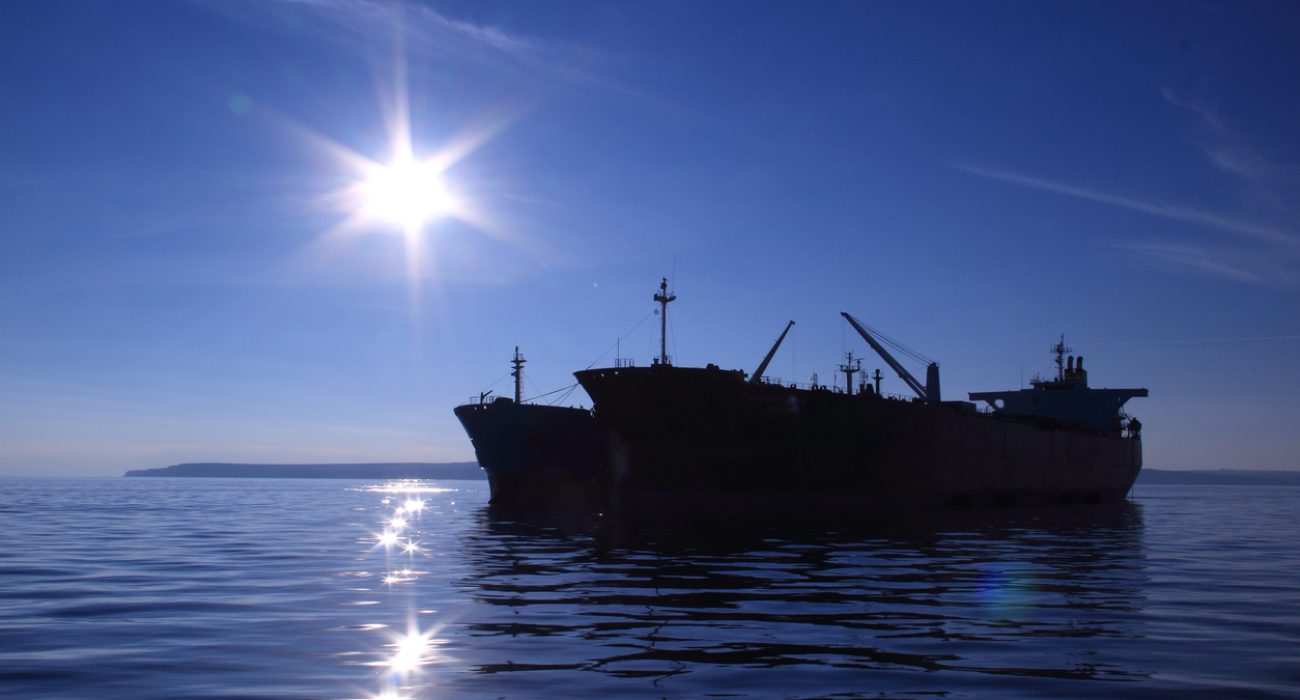
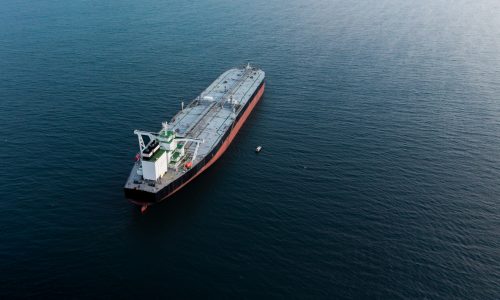
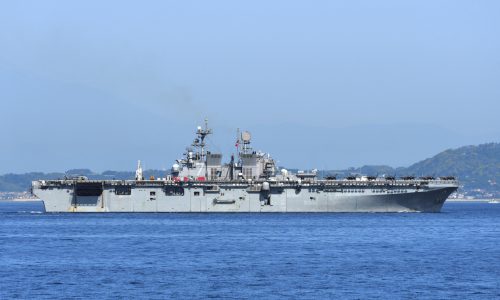
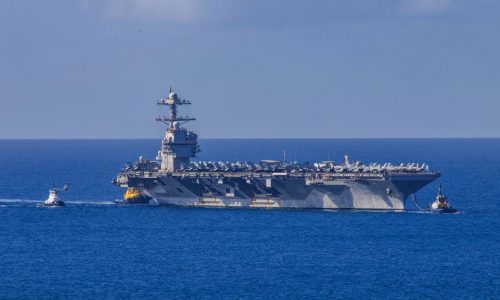
U.S. naval forces boarded a sanctioned oil tanker in the Indian Ocean after tracking it across several maritime regions, according to defense officials. The action forms part of Washington’s effort to disrupt illicit Venezuelan crude exports.
The Panama flagged tanker Veronica III left waters near Venezuela and sailed through the Caribbean before entering the Indian Ocean. U.S. forces monitored the vessel during the voyage. Boarding teams conducted a right of visit inspection once the ship fell under a U.S. quarantine order covering sanctioned oil transport.
Cargo Tied to Restricted Oil Trade
Authorities said the tanker carried nearly two million barrels of crude and fuel oil linked to sanctioned trading networks. The restrictions target export channels connected to Venezuela’s oil sector and associated intermediaries.
Officials say these networks rely on deceptive shipping practices. Operators frequently alter vessel registration and manipulate AIS signals to conceal cargo movements and ownership links.
Wider Enforcement Campaign
The boarding followed a December directive that authorises U.S. interdiction of vessels transporting Venezuelan oil under quarantine conditions. Video released by the Defense Department shows armed teams securing the deck and inspecting documentation.
The Pentagon did not confirm whether authorities will seize the tanker or redirect it to port. U.S. forces previously detained another Panama flagged tanker during a similar operation in the Indian Ocean while legal review continued.
Impact on Commercial Shipping
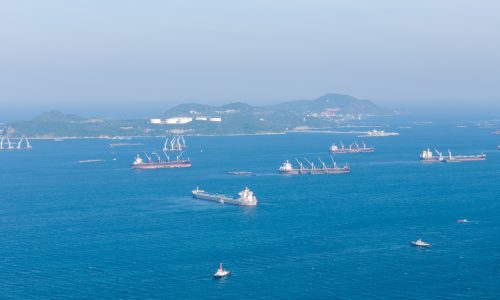
The case signals an expansion of sanctions enforcement beyond regional patrol areas. U.S. monitoring now covers long range tanker routes across multiple oceans.
Shipowners, charterers, and insurers face growing compliance exposure. Even indirect involvement in sanctioned cargo chains may trigger enforcement if vessels operate on routes under U.S. surveillance.
Maritime compliance advisers warn that opaque ownership structures and irregular AIS behaviour now attract immediate scrutiny. Operators moving crude cargoes must verify counterparties and cargo origin before fixture to avoid detention risk.