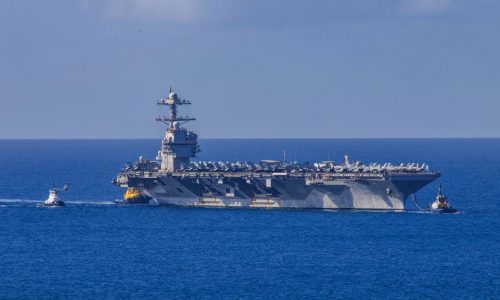
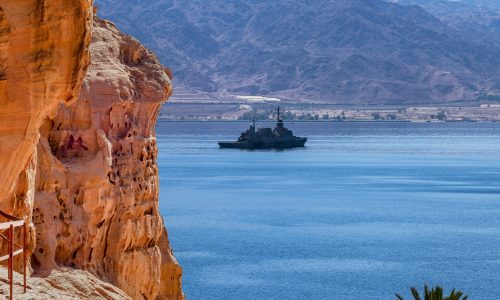
The United States may deploy naval escorts to protect commercial vessels transiting high risk maritime corridors, according to comments from U.S. Energy Secretary Chris Wright. The remarks come as attacks on merchant ships in the Red Sea continue to disrupt global shipping and energy supply chains.
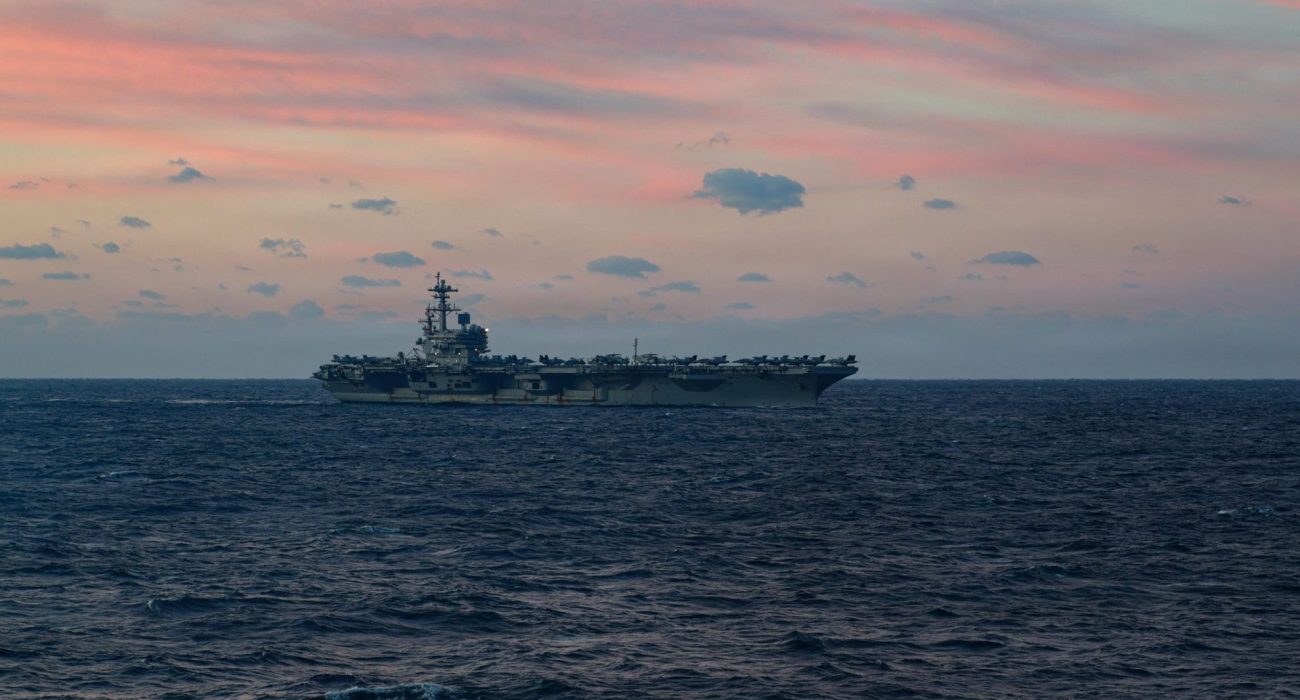
Speaking in a television interview with Fox News, Wright said the U.S. Navy could escort commercial vessels when it is considered reasonable. The goal would be to safeguard maritime trade and ensure the safe movement of energy cargo through one of the world’s most critical shipping routes.
Security concerns in the Red Sea have increased sharply in recent months. Repeated attacks against merchant vessels have forced many shipowners and charterers to reconsider traditional trade routes.
Several shipping companies have already diverted vessels away from the Suez Canal corridor. Instead, ships are sailing around the Cape of Good Hope, adding thousands of nautical miles to voyages between Asia and Europe.
Energy Shipping Faces Heightened Security Threats
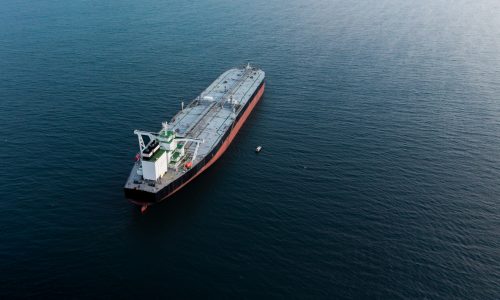
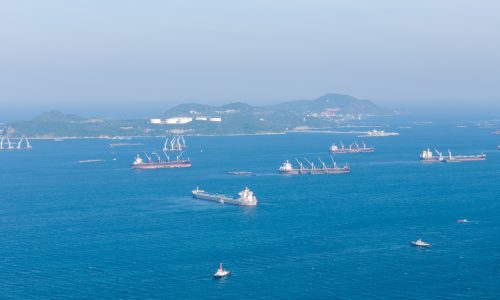
Energy cargo remains particularly exposed to disruption in the region. Oil tankers, LNG carriers, and product tankers frequently transit the Red Sea while transporting energy supplies between the Middle East, Europe, and Asian markets.
Any interruption along this corridor can quickly affect global energy prices and freight markets. Maritime security specialists say naval escorts could help deter attacks and reduce operational risks for commercial shipping.
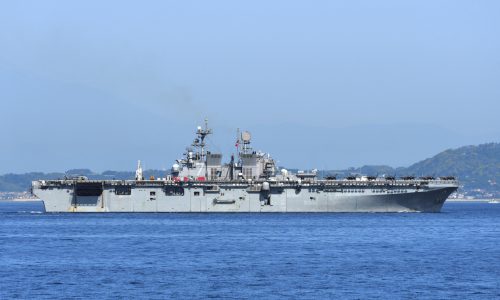
The U.S. Navy has already increased its presence in regional waters as part of wider efforts to protect international shipping lanes. Escort operations would represent a more direct approach to securing merchant traffic.
Shipping Industry Monitors Potential Naval Protection
Shipowners, charterers, and traders are closely watching developments in maritime security policy. The possibility of naval escorts could influence voyage planning, insurance premiums, and freight rate dynamics.
Improved protection along the Red Sea route may encourage some operators to reconsider diversions around Africa. However, many shipping companies remain cautious as geopolitical tensions continue to shape risk levels across key trade corridors.
The Red Sea links the Mediterranean Sea with the Indian Ocean through the Suez Canal. It is therefore one of the most important arteries for global maritime trade and energy shipping.
For the maritime industry, the prospect of U.S. Navy escorts highlights the growing need to protect merchant vessels operating in high risk regions.