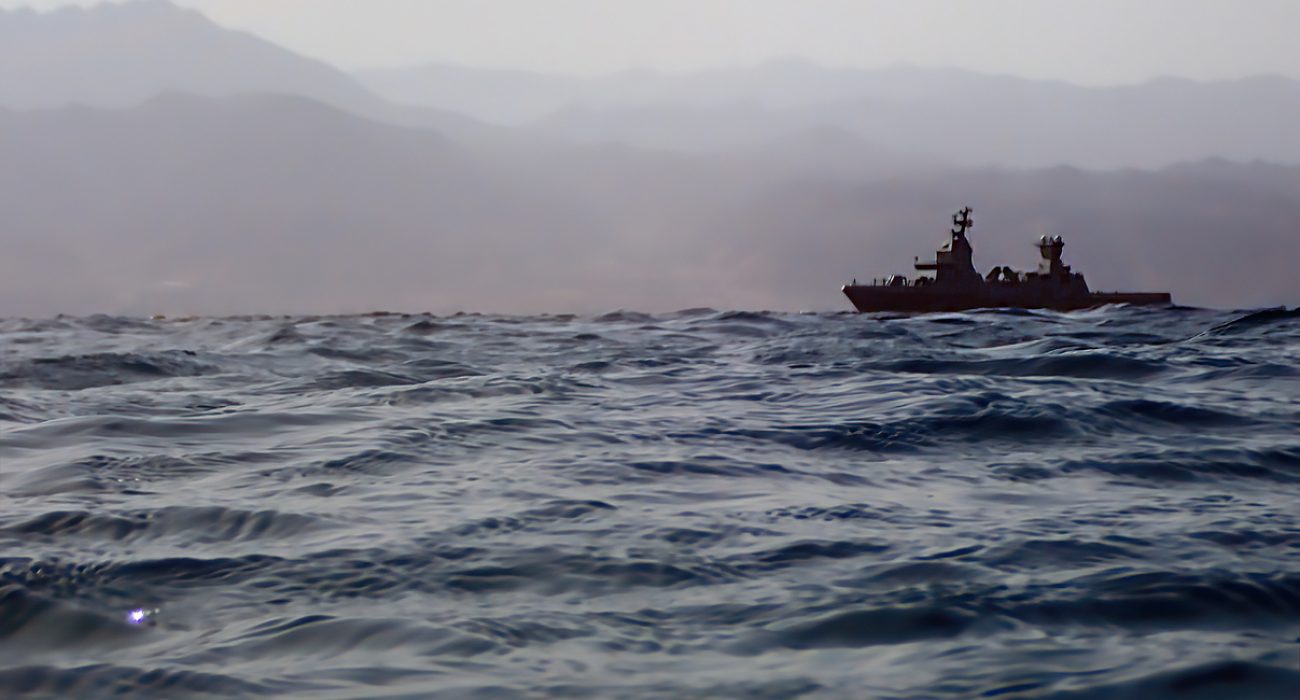
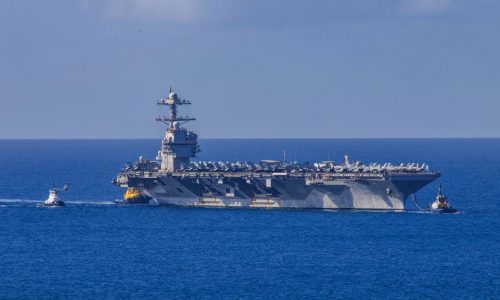
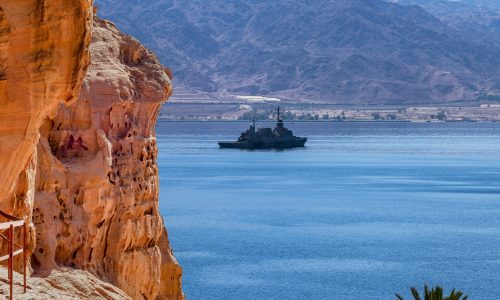
Commercial shipping companies operating near the Strait of Hormuz cannot currently rely on naval escorts from the United States, according to guidance provided by the U.S. Navy to the maritime industry.
The warning comes as tensions in the Middle East continue to threaten one of the world’s most important maritime trade corridors. Shipping companies moving cargo through the region are now reassessing security strategies for vessels transiting Gulf waters.
U.S. Navy Advises Industry on Security Risks
U.S. naval officials informed shipping stakeholders that the military does not have the resources to escort large numbers of commercial vessels through the Strait of Hormuz at this time.
Instead, authorities advised shipowners and operators to remain vigilant and closely monitor security guidance issued through maritime safety channels.
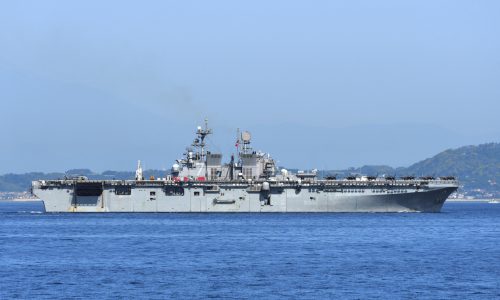
Naval officials emphasized that the United States continues to operate in the region and remains focused on maintaining stability in key shipping routes.
Strait of Hormuz Remains Critical Trade Corridor
The Strait of Hormuz connects the Persian Gulf with global sea lanes and carries a large portion of the world’s seaborne oil shipments.
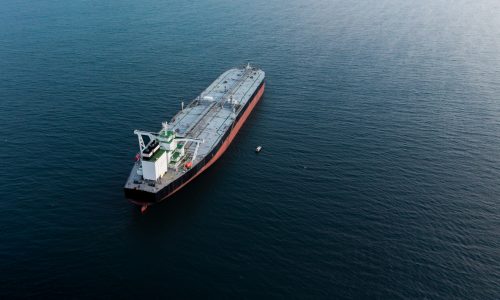
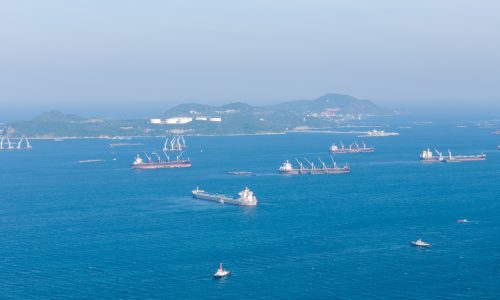
Thousands of vessels pass through the narrow waterway each year, including crude oil tankers, liquefied natural gas carriers, and container ships serving global trade routes.
However, the recent escalation of conflict involving Iran has increased the risk environment for vessels operating near the strait.
Shipping Companies Adjust Risk Management
With naval escorts unavailable, ship operators are strengthening internal security procedures. Companies are reviewing voyage planning, monitoring intelligence reports, and maintaining communication with maritime security organizations.
Many shipping firms also rely on war risk insurance coverage and regional threat assessments to manage the elevated security environment.
Industry experts say these measures help vessels continue operating even when geopolitical tensions affect major shipping lanes.
Maritime Industry Watches Situation Closely
Global shipping companies are closely following developments in the Gulf region as naval forces assess their operational priorities.
The absence of routine naval escorts places greater responsibility on shipowners to evaluate risks before sending vessels through the Strait of Hormuz.
Despite the challenges, commercial shipping continues to move through the corridor as global energy markets depend on tanker traffic from the Persian Gulf.
Industry observers say the situation highlights the importance of cooperation between navies, shipping companies, and maritime security agencies to maintain safe navigation through high risk waterways.