The United States could begin escorting commercial oil tankers through the Strait of Hormuz before the end of March, according to Energy Secretary Chris Wright, as tensions involving the U.S., Israel, and Iran continue to disrupt one of the world’s most critical maritime energy routes.
Washington signals possible naval protection
In an interview with CNBC on Thursday, Wright said current U.S. military actions focus on weakening Iran’s military capabilities and weapons production. However, he indicated that naval protection for commercial shipping could soon follow.
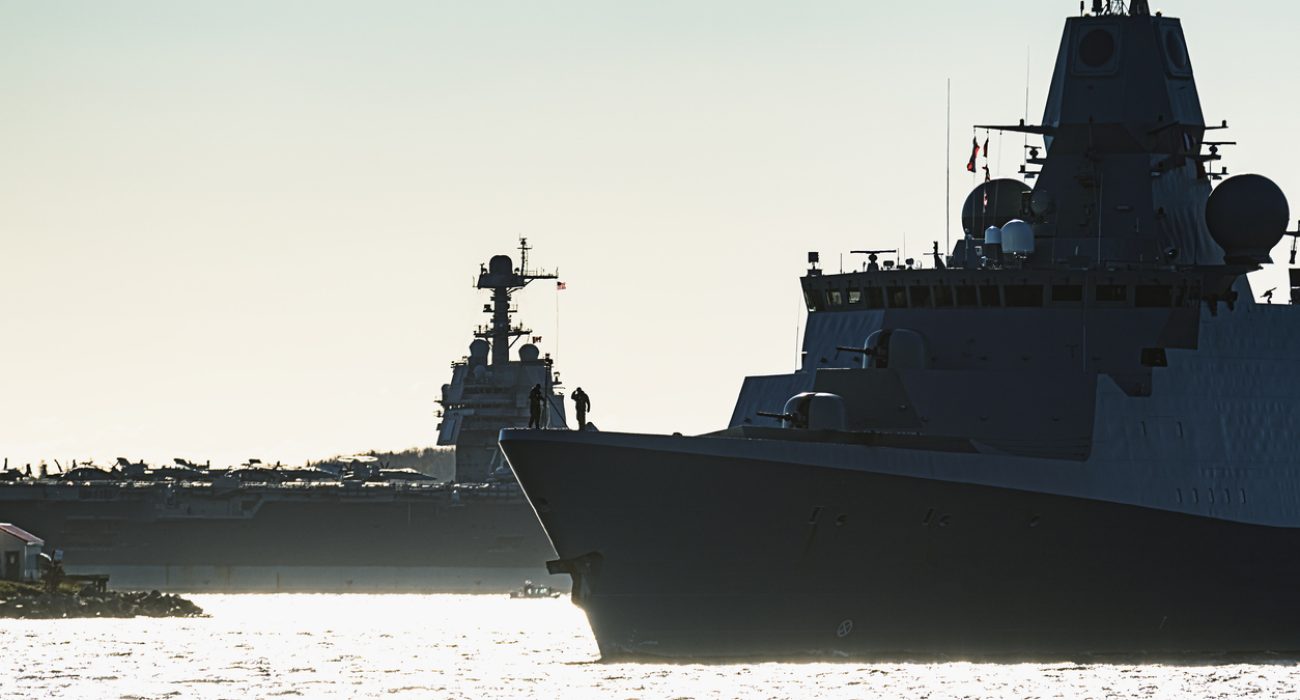
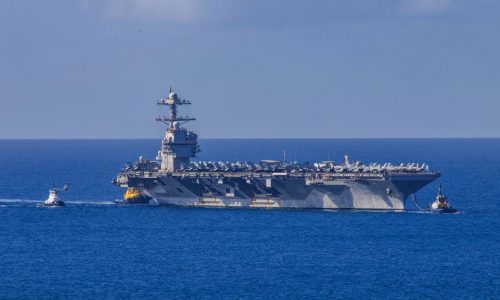
According to Wright, U.S. naval escorts for tankers transiting the Strait of Hormuz are likely to begin by the end of the month, though preparations are still underway and operations have not yet started.
His comments came after confusion earlier in the week. Wright had posted on social media that a U.S. escorted oil tanker had already passed through the strait. The message was later deleted, and the White House clarified that no escorted tanker transit had taken place.
Vital oil corridor faces severe disruption
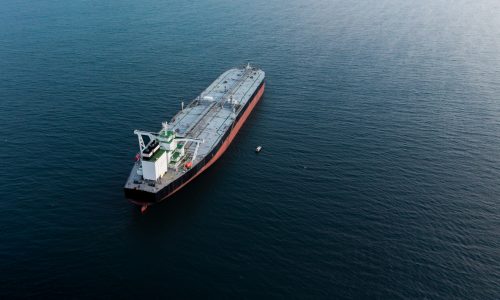
The Strait of Hormuz is a strategic maritime chokepoint that carries around 20 percent of the world’s oil and liquefied natural gas supply. Any disruption in the narrow waterway quickly affects tanker traffic, global energy markets, and maritime risk levels.
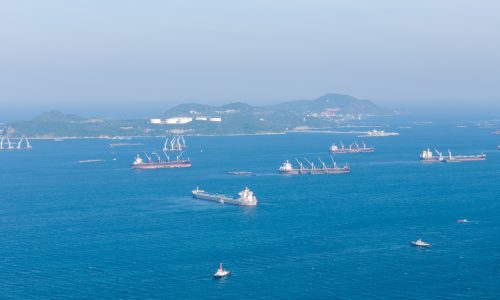
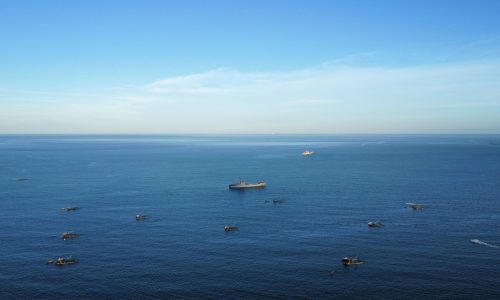
Shipping activity in the region has slowed dramatically since the U.S. and Israel launched military operations against Iran on February 28. Tanker movements from Persian Gulf export terminals have nearly halted as shipowners and charterers assess the growing security risks.
Oil prices surge as tensions escalate
The disruption to Gulf energy flows has already pushed oil prices sharply higher. Since the start of the conflict, crude prices have climbed roughly 40 percent, with global benchmark futures briefly exceeding $100 per barrel on Thursday.
To help stabilize the market, the U.S. administration announced plans to release 172 million barrels of crude from the Strategic Petroleum Reserve. The emergency stockpile currently holds about 415 million barrels, which represents around 60 percent of its storage capacity.
Wright said the government intends to replace the released oil with more than 200 million barrels purchased for future delivery. The strategy aims to rebuild reserves later while taking advantage of lower forward prices in the oil market.